How Does Dimensional Accuracy Affect the Performance of Electric Relay Metal Parts?
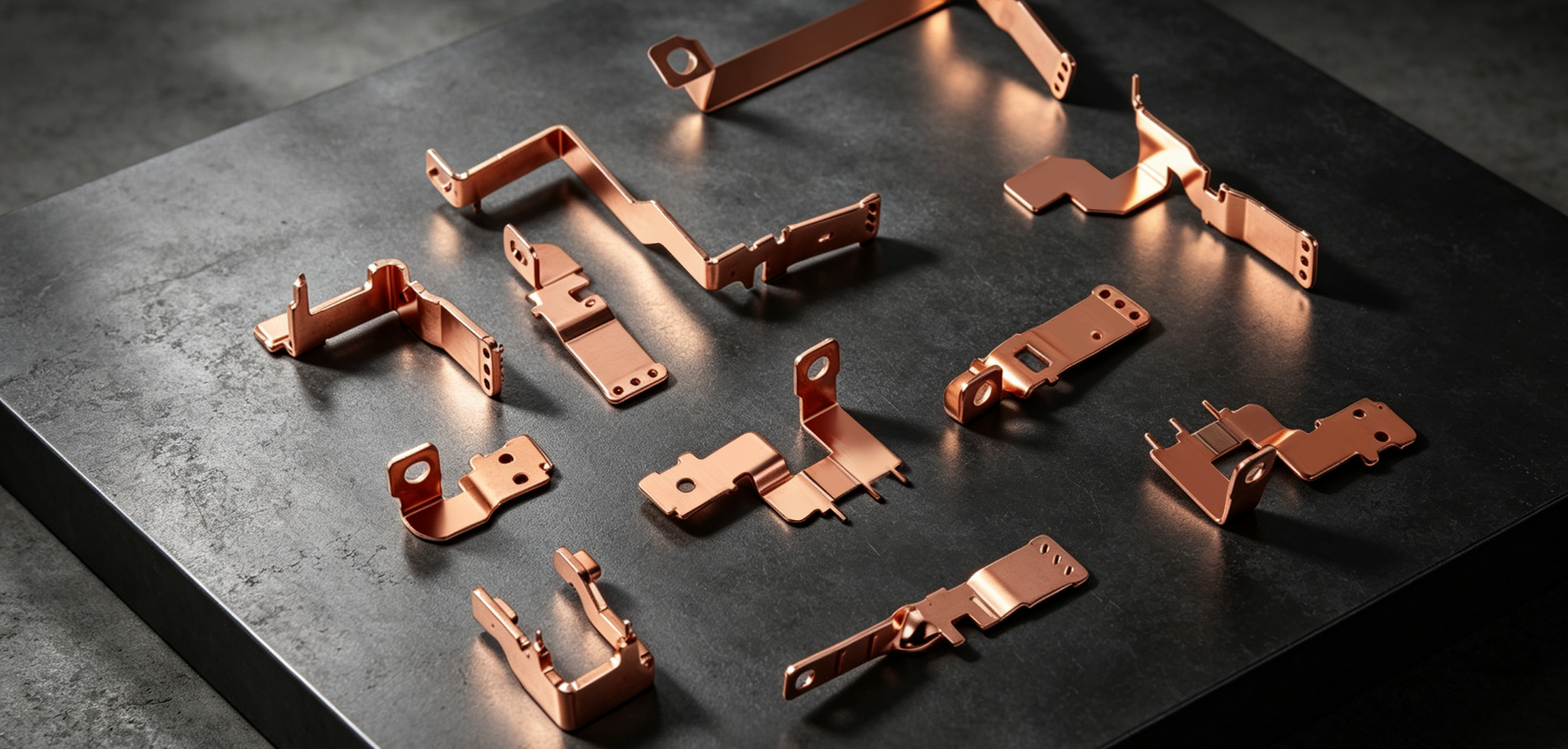
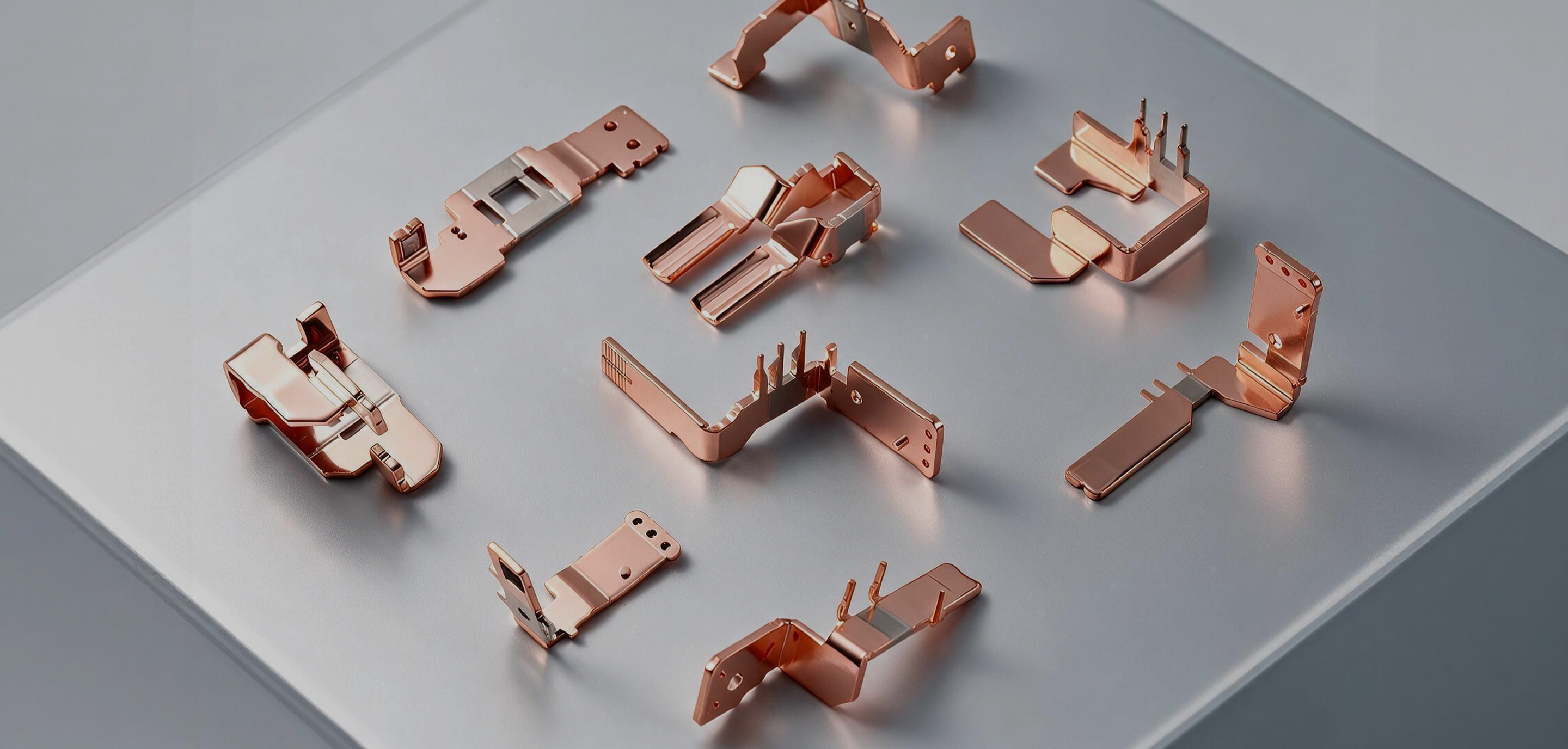
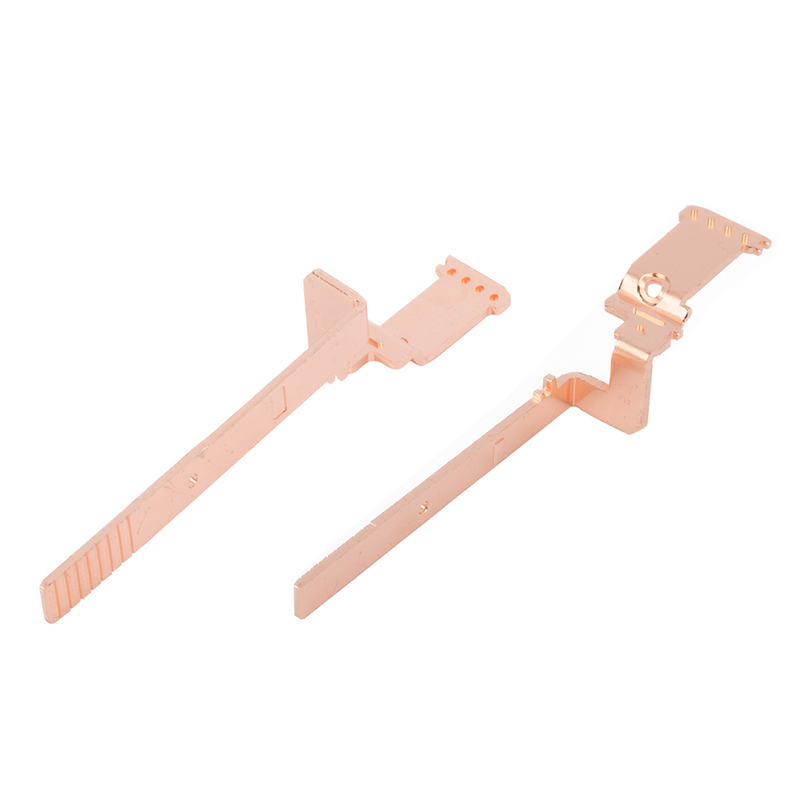
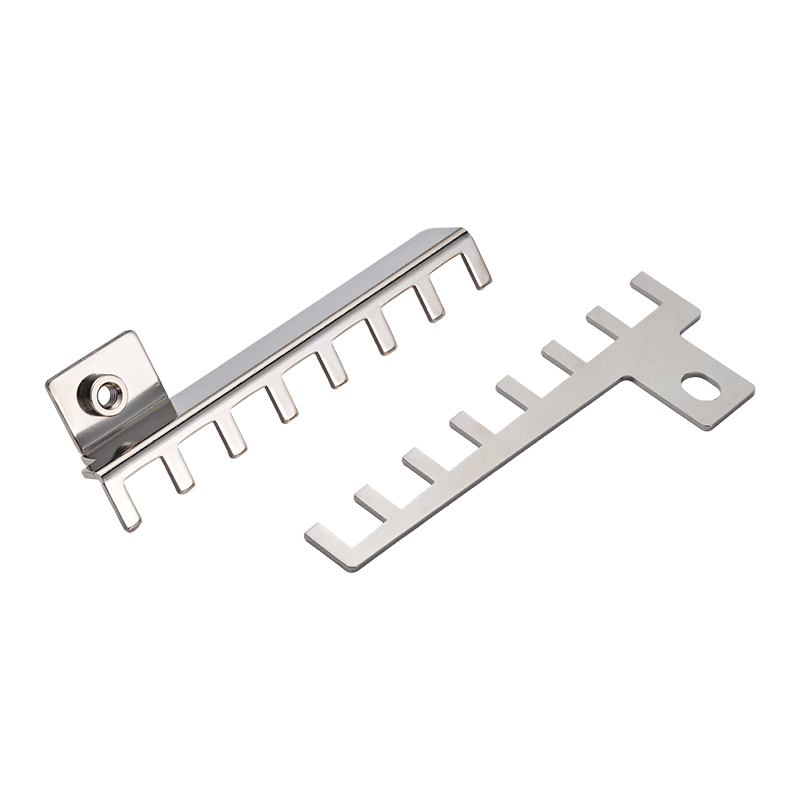
In relay manufacturing, small metal components play an important role in controlling mechanical movement and maintaining electrical connections. Even minor dimensional variations can influence assembly fit, contact alignment, and the consistency of switching performance. For engineers and purchasing teams, evaluating Electric Relay Metal Parts requires more than checking material specifications or the appearance of a sample. Manufacturing precision, surface condition, forming quality, and batch consistency all need attention. Understanding these factors helps buyers reduce assembly problems and establish more reliable component sourcing arrangements.
Dimensional Tolerances Should Match the Assembly Design
Relay components often need to fit together within a relatively compact structure. Terminal dimensions, mounting features, spring geometry, and contact positions must correspond with the design requirements of the complete relay.
If a metal part is outside the specified tolerance range, it may create difficulties during assembly or affect the movement of related components. However, tighter tolerances are not automatically necessary for every feature. Engineers should identify which dimensions directly influence fit, movement, or electrical contact and define tolerances accordingly.
For manufacturers, reviewing customer drawings before production helps clarify critical dimensions and avoid unnecessary processing requirements.
Stamping Quality Influences Component Consistency
Many relay metal components are produced through stamping and forming processes. These operations need to maintain the required shape while controlling burrs, deformation, and dimensional variation.
Poorly maintained tooling or unsuitable process settings may lead to inconsistent edges, changes in component geometry, or differences between production batches. Such variations can become more noticeable when parts are assembled automatically.
A controlled stamping process should consider:
Tooling condition and maintenance
Material thickness and consistency
Punching and forming accuracy
Burr direction and edge condition
Dimensional inspection during production
These checks help manufacturers identify process changes before they affect a larger quantity of components.
Contact Surface Quality Deserves Special Attention
In electromechanical relays, metal contact components are involved in making and breaking electrical connections. Their surface condition and material characteristics can influence contact behavior during operation.
Depending on the relay design, contact materials and surface treatments may be selected to address requirements such as electrical conductivity, contact resistance, wear, and resistance to environmental influences.
Buyers should confirm the required contact material, coating or plating specification, and relevant inspection criteria. It is also important to distinguish between the base metal of a component and the material used at its electrical contact area, since they may serve different functions.
Material Selection Must Reflect the Working Conditions
Different relay components may require different combinations of conductivity, mechanical strength, elasticity, and formability. A material suitable for a terminal may not necessarily be the best choice for a spring component.
Engineers should consider the component's role, expected mechanical movement, electrical requirements, and operating environment before finalizing the material specification.
Manufacturers can support this process by reviewing the drawings and proposed material grades together. Any substitution should be evaluated carefully because changes in material properties may affect forming behavior, spring characteristics, or contact performance.
Spring Geometry Affects Mechanical Response
Some relay metal parts need to provide a controlled mechanical force during switching. In these applications, spring geometry, material properties, and forming consistency are closely connected.
Variations in thickness, bending angle, or formed shape can change the mechanical response of a component. This may influence contact pressure, movement, or the relationship between different parts in the relay assembly.
For this reason, inspection should cover functional dimensions as well as basic length and width measurements. Where required by the design, buyers can discuss how spring characteristics and formed geometry are verified during production.
Batch Consistency Matters in High-Volume Assembly
A sample may meet the drawing requirements, but repeat production needs to maintain the same specifications. Differences between batches can create assembly adjustments, inspection difficulties, and production interruptions for relay manufacturers.
A supplier evaluation should therefore include more than an initial sample review. Buyers can ask about material traceability, inspection records, tooling management, process monitoring, and procedures for handling nonconforming parts.
Clear technical communication is equally important. Updated drawings, revision control, approved samples, and agreed inspection methods help both parties work from the same requirements.
Work With a Manufacturer That Understands Component Requirements
Reliable relay assembly begins with metal components that match the intended mechanical and electrical design. As an Electric Relay Metal Parts manufacturer, understanding critical dimensions, material properties, stamping processes, contact specifications, and inspection requirements is essential when developing components for different relay applications. Overseas buyers should provide detailed drawings, material requirements, and functional information when requesting a quotation. Evaluating these factors together makes supplier selection more practical and helps ensure that Electric Relay Metal Parts remain consistent with the requirements of the final relay assembly.
What Should Buyers Check When Sourcing Metal Parts for Electric Relays?
As electrical equipment becomes more compact and manufacturers place greater emphasis on dependable switching performance, the metal components inside a relay deserve careful attention. Small variations in dimensions, surface condition, or material properties can affect assembly accuracy and electrical contact behavior. For procurement teams and engineers, sourcing Electric Relay Metal Parts is therefore not simply a matter of comparing prices or drawings. It requires an understanding of material selection, forming processes, dimensional control, and how each component performs within the finished relay.
Material Selection Should Reflect the Working Conditions
Relay metal components may serve different functions, including conducting current, supporting moving contacts, providing spring force, or forming structural connections. Each application places different demands on the material.
Electrical conductivity, mechanical strength, elasticity, corrosion resistance, and formability are among the factors manufacturers need to evaluate. A material suitable for a fixed conductive terminal may not be the best choice for a spring component that repeatedly moves during relay operation.
Buyers should communicate the component's function, operating environment, and relevant electrical or mechanical requirements before confirming a material specification. This allows the manufacturer to assess material options according to the actual application rather than relying on a general-purpose selection.
Dimensional Accuracy Affects Assembly Consistency
Relay components are often small, but their dimensions must correspond closely with the assembly design. Incorrect hole positions, uneven edges, inconsistent thickness, or variations in formed angles may create difficulties during automated or manual assembly.
For manufacturers, dimensional control should cover more than the final appearance of a part. Important inspection points may include:
Material thickness and flatness
Hole diameter and position
Component length and width
Bending angles and formed geometry
Burr condition and edge quality
Clear technical drawings and agreed inspection criteria help buyers and suppliers establish consistent expectations before mass production begins.
Stamping and Forming Processes Need Proper Coordination
Many relay metal components are produced through stamping, punching, bending, or other metal-forming processes. The appropriate method depends on part geometry, material characteristics, dimensional requirements, and expected production volume.
Tooling design is particularly important when a component includes multiple holes, narrow profiles, or several forming stages. Poor coordination between the tooling and material properties can lead to deformation, dimensional variation, or inconsistent edges.
A manufacturer should review the drawing and production requirements before finalizing the process. Early evaluation can also help identify whether a component needs progressive tooling, separate forming operations, or adjustments to its original design.
Surface Condition Can Influence Contact Performance
For relay components involved in electrical connections, surface condition deserves particular consideration. Contact areas may require specific finishing or plating requirements depending on the electrical design and intended operating conditions.
Buyers should clarify whether a part needs a particular surface treatment, coating thickness, or contact finish. They should also confirm which areas require treatment and which areas must remain untreated for assembly or electrical reasons.
Manufacturers need to control the finishing process alongside the underlying metalworking operation. Surface treatment should be evaluated against the component's function, not selected only for visual appearance.
Spring Components Require Attention to Mechanical Behavior
Some relay metal parts need to maintain a defined shape while providing repeated mechanical movement. Spring characteristics, formed geometry, and material consistency can all influence how these components behave during operation.
For these parts, buyers should discuss the required mechanical properties and functional expectations with the manufacturer. Inspection may need to consider formed dimensions, spring response, and consistency between production batches.
This is also an area where sample evaluation is useful. Checking the component in its intended assembly can reveal potential fit or movement issues that may not be obvious from a dimensional report alone.
Quality Control Should Follow the Production Process
Inspecting only finished components may not provide enough information about manufacturing consistency. A more structured approach considers quality at different stages, from incoming material to forming, finishing, and final inspection.
For Electric Relay Metal Parts, manufacturers can establish inspection procedures around critical dimensions, tooling condition, burr control, surface treatment, and packaging. Where appropriate, first-article inspection and production records can help buyers review whether the supplied parts match the approved specifications.
Clear communication about acceptable tolerances and inspection methods is especially important for repeat orders.
Choose a Supplier That Can Work From Your Drawings
For overseas relay manufacturers and component distributors, a suitable supplier should be able to discuss more than unit pricing. Drawing review, material recommendations, tooling evaluation, surface finishing, sample approval, and production consistency all contribute to a reliable sourcing process.
An experienced Electric Relay Metal Parts manufacturer can assess these requirements as connected stages of component production. By sharing detailed drawings, application conditions, and inspection expectations at the beginning of a project, buyers can make more informed sourcing decisions and develop metal components that fit their relay designs and manufacturing processes.
A brand new journey! The official website of Taoyang Electronics has been officially launched
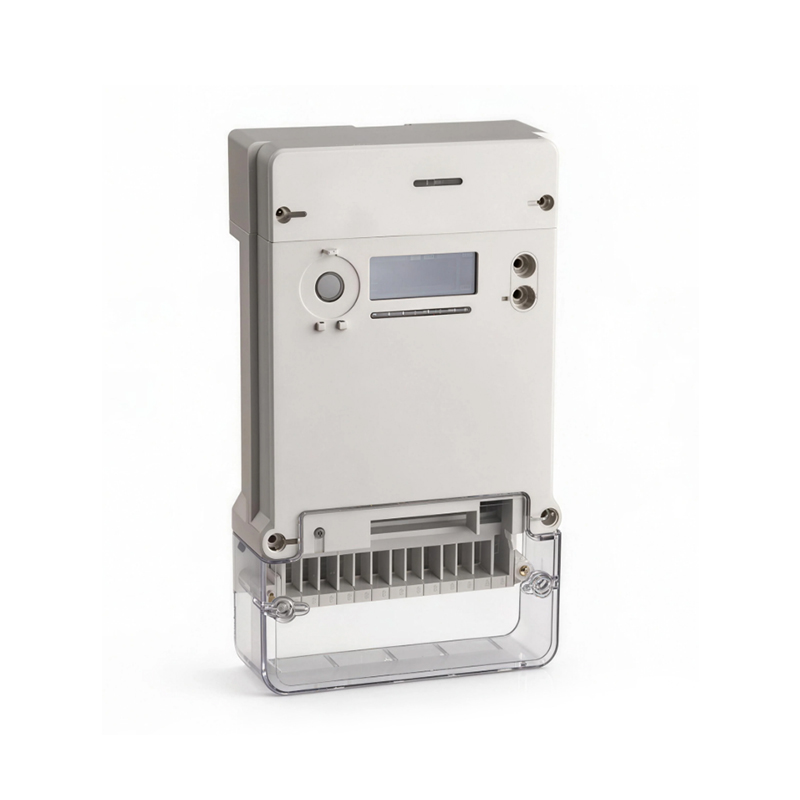
Recently, the new version of Zhejiang Taoyang Electronics' official website was officially launched. The website focuses on electronic and electrical components, new energy, energy storage, and automotive hardware supporting businesses, showcasing core products and supporting solutions such as relays, transformers, and electric meters.Optimize browsing experience on the new website, improve product display, corporate information and other columns, build a digital communication window, and facilitate domestic and foreign customers to understand products and connect with cooperation. Taoyang Electronics will use its official website as an online window to continuously output product and enterprise updates, empower business connections, and welcome customers to visit and exchange ideas.
New Solution for Photovoltaic Auxiliary Materials: Bundle Beam Welding Band to Boost Power of Components
Driven by the trend of high efficiency, lightweight design and cost reduction in the photovoltaic industry, N-type TOPCon and HJT high-efficiency cell technologies have gained widespread popularity, and Super Multi-Busbar (SMBB) modules have become the mainstream of the market. As the core interconnection auxiliary material for PV modules, traditional single welding ribbons can no longer meet the production requirements of high-precision and high-power modules. Industry pain points such as cell micro-cracks, high shading rate and uneven conductivity continue to restrict the performance upgrading of PV modules. Against this backdrop, bundled welding ribbons, featuring innovative structure and optimized processes, have emerged as an upgraded high-quality solution for PV auxiliary materials, strongly supporting the power improvement and quality optimization of photovoltaic modules.
Compared with conventional flat ribbons and single thin ribbons, bundled welding ribbons adopt a precisely integrated structure with multiple ultra-fine ribbons and optimized layout technology, thoroughly solving common industrial problems of traditional ribbons such as easy deviation, cold solder joints and poor alignment accuracy during high-speed soldering. The integrated and standardized bundled structure greatly improves soldering stability and consistency, perfectly adapts to fully automatic high-speed stringer equipment, effectively reduces the defective rate in module production, and helps manufacturers achieve quality improvement and efficiency growth at the production end.
Bundled welding ribbons deliver prominent advantages in core performance. On the one hand, the optimized cross-sectional structure and surface coating process significantly reduce soldering stress, fundamentally eliminating micro-cracks and fragmentation of ultra-thin cells during welding, and greatly improving the production yield and long-term operational reliability of PV modules. On the other hand, the unique bundled layout effectively reduces the shading area of welding ribbons and enhances the light absorption utilization rate of solar cells. Equipped with high-conductivity alloy coatings, the product optimizes the current collection path and significantly reduces series resistance loss, effectively increasing the power output of modules under the same specifications and boosting the power generation revenue of terminal PV systems.
Tailored for the low-temperature soldering process characteristics of mainstream N-type high-efficiency cells, the newly upgraded bundled welding ribbons have realized material and process adaptation. Adopting low-melting-point and high-wettability environmentally friendly tin alloy coatings, the products are compatible with low-temperature non-destructive soldering processes. They effectively protect the thin-film structure of N-type cells, avoid cell performance attenuation caused by high-temperature soldering, and fully release the power generation potential of N-type high-efficiency cells. In addition, the products have passed stringent reliability tests including double 85 damp heat aging, thermal cycling and mechanical tensile tests. With excellent corrosion resistance, aging resistance and high tensile strength, they adapt to complex outdoor operation environments and ensure stable power generation of PV modules for more than 25 years.
Currently, competition in the photovoltaic industry has extended from the technical competition of cells and modules to the refined supporting capacity of auxiliary materials. The application of bundled welding ribbons fills the supporting gap of auxiliary materials for high-efficiency SMBB modules. Mass production can be quickly realized without large-scale transformation of existing production equipment, taking into account the three core demands of cost reduction, quality improvement and efficiency enhancement.
Industry insiders state that with the continuous increase of module power and the wide application of ultra-thin solar cells, high-precision, low-stress and highly adaptable customized auxiliary materials will become rigid industry requirements. In the future, PV auxiliary material enterprises will continue to deepen the technical iteration of bundled welding ribbons, optimize product structures, coating processes and customized service capabilities, and develop more efficient and reliable PV interconnection solutions. These efforts will help the photovoltaic industry continuously reduce costs and improve efficiency, accelerating the large-scale popularization of clean energy worldwide.
Juli New Energy Energy Storage and Innovation in Automotive Hardware Matching
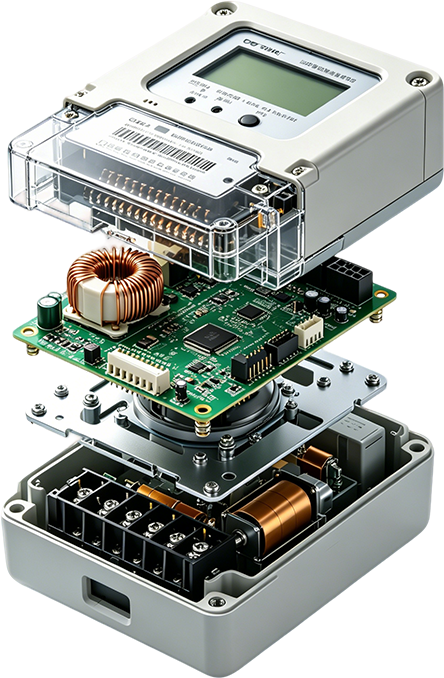
Zhejiang Taoyang Electronics Co., Ltd. continues to deepen its expertise in the fields of electronic and electrical, new energy, energy storage, and automotive hardware. Leveraging the advantages of integrated research, production, and sales, the company empowers the high-quality development of the energy storage and automotive electrical industries with core components such as relays, transformers, and meters.Taoyang Electronics was founded in 2010 and is one of the leading enterprises in the field of electronic and electrical supporting equipment in China. The company focuses on electrical components such as relays, transformers, and electric meters, synchronously laying out new energy, energy storage, and automotive hardware supporting businesses, and building a complete industrial system integrating research and development, production, and sales. With mature manufacturing capabilities and stable and reliable product quality, the company continues to provide customized component matching solutions for domestic and foreign customers, deeply serving downstream scenarios such as smart meters, energy storage systems, and new energy vehicles.For a long time, Taoyang Electronics has adhered to innovation driven development, continuously improved its quality management system, controlled the reliability of components with strict standards, and steadily expanded its domestic and international markets. Facing the opportunities of rapid development in the new energy industry, enterprises will continue to increase research and development investment, optimize product matrix, consolidate the competitiveness of core products such as relays, transformers, and vehicle hardware, and continue to provide high-quality supporting services for energy storage, new energy vehicles, and electrical metering fields.










 about us









 English
 русский
 Français
 日本語
 Español
 Deutsch
 عربى
 Indonesia