
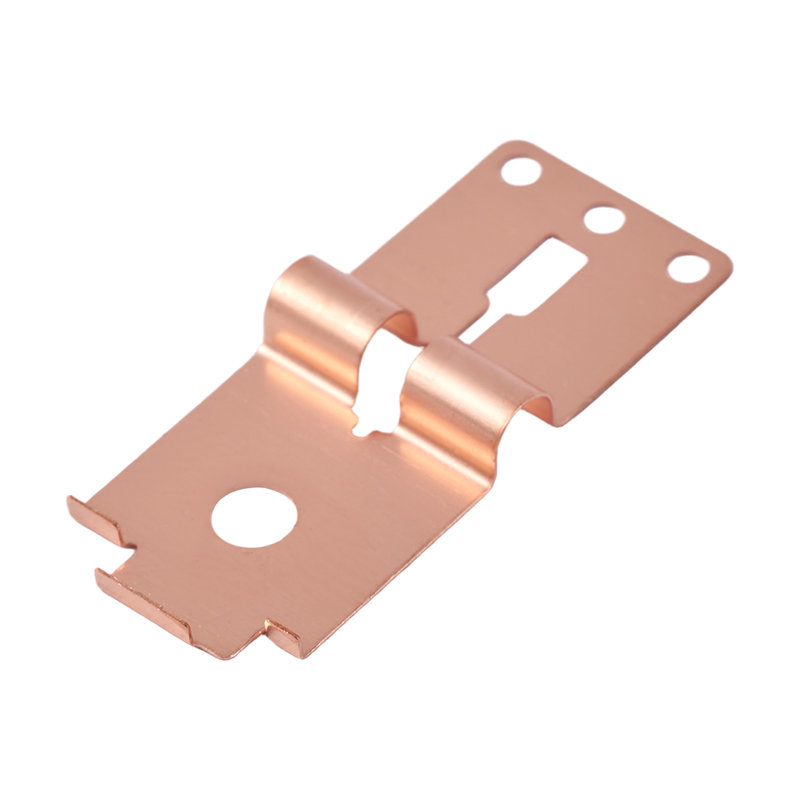
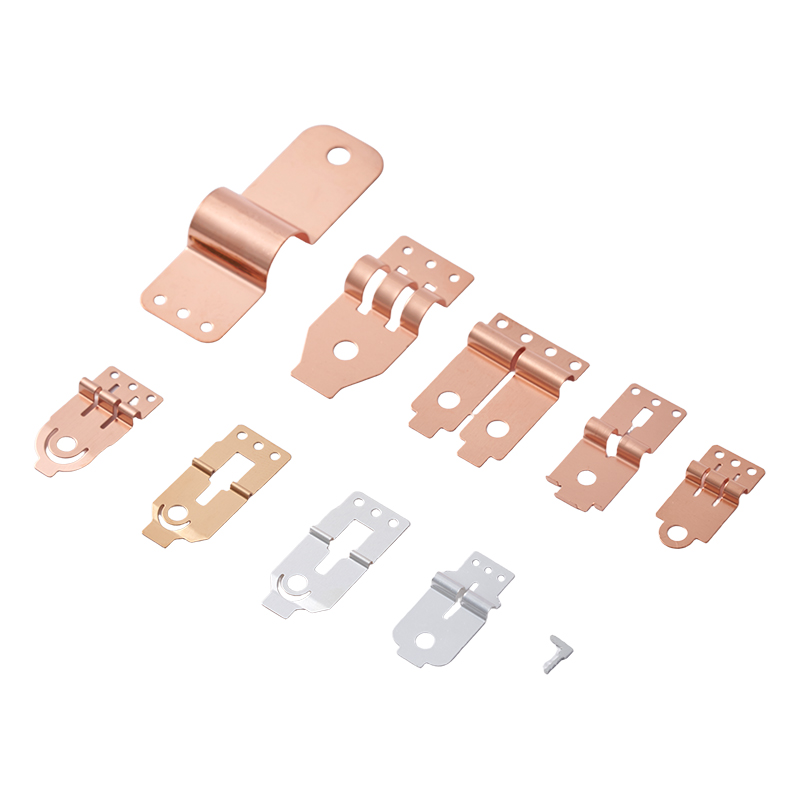
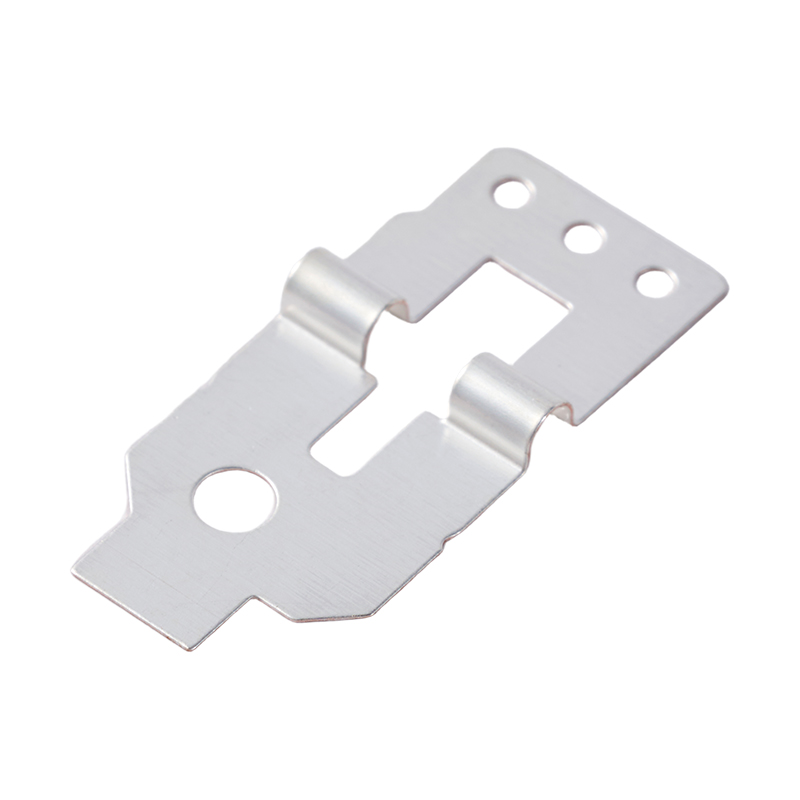
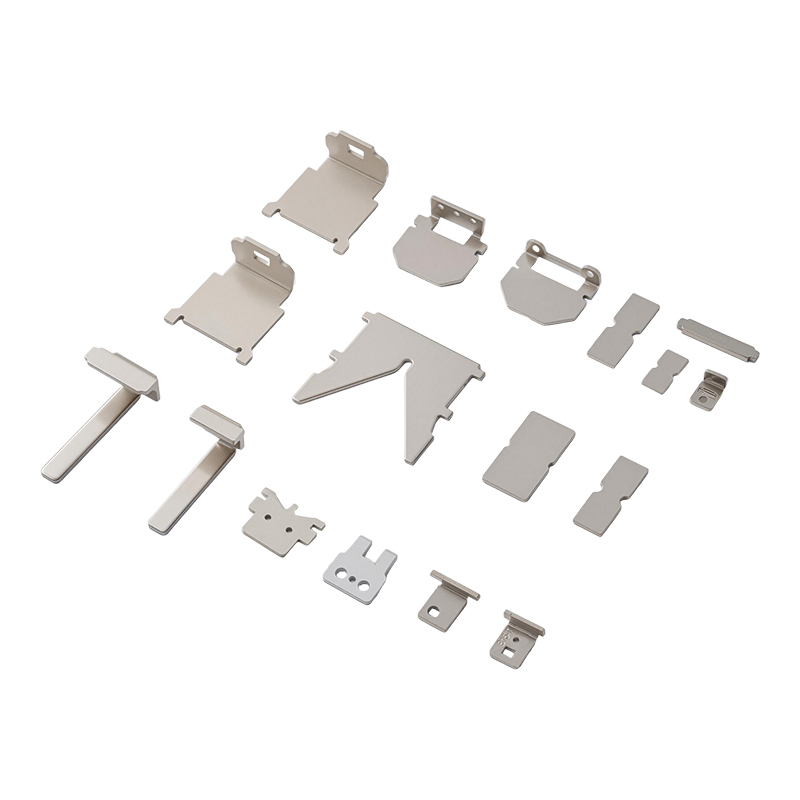
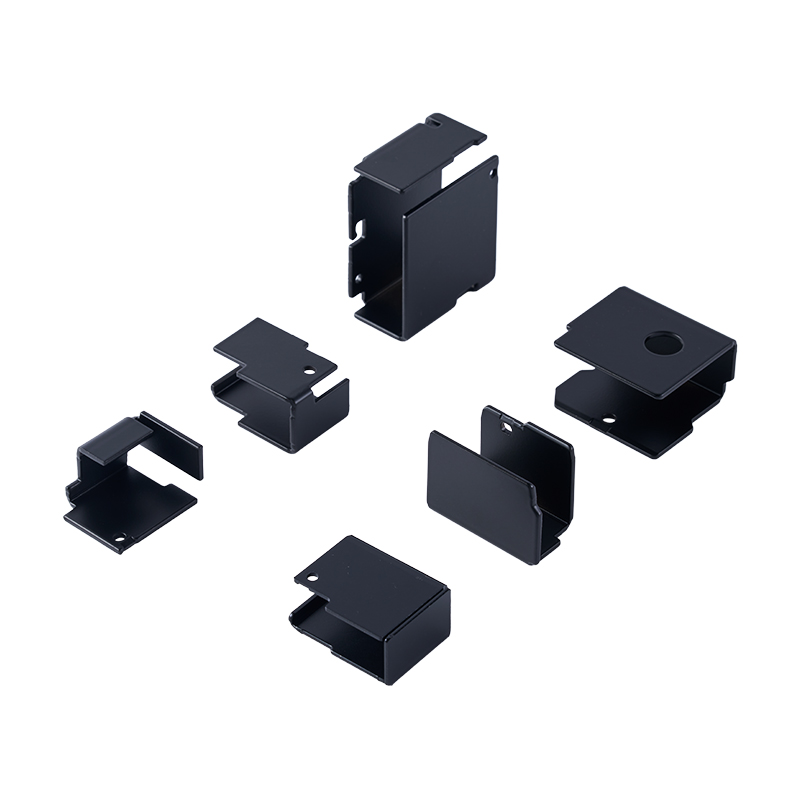
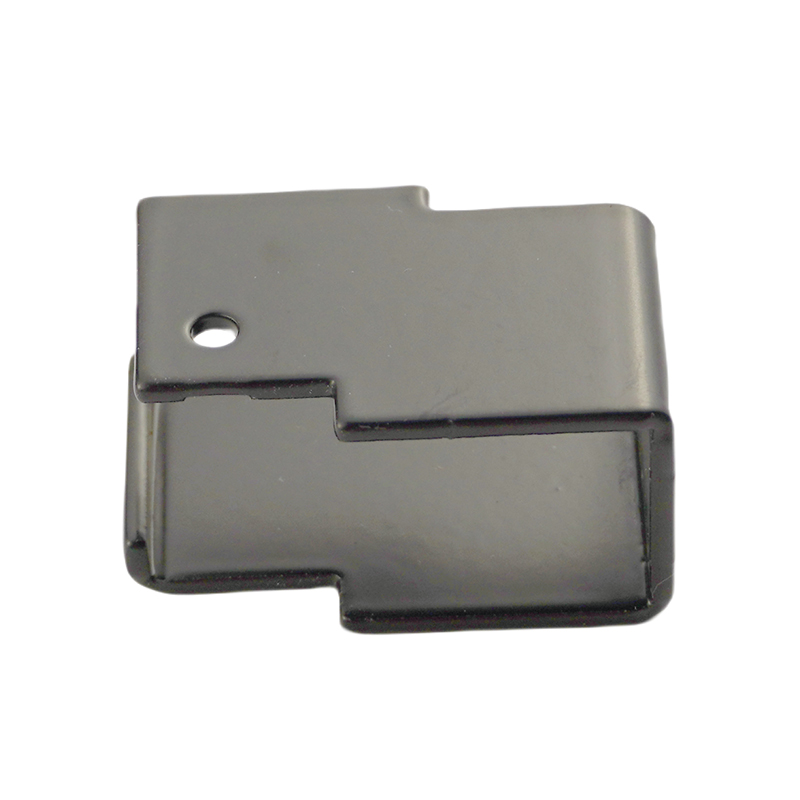
In relay manufacturing, small metal components play an important role in controlling mechanical movement and maintaining electrical connections. Even minor dimensional variations can influence assembly fit, contact alignment, and the consistency of switching performance. For engineers and purchasing teams, evaluating Electric Relay Metal Parts requires more than checking material specifications or the appearance of a sample. Manufacturing precision, surface condition, forming quality, and batch consistency all need attention. Understanding these factors helps buyers reduce assembly problems and establish more reliable component sourcing arrangements.
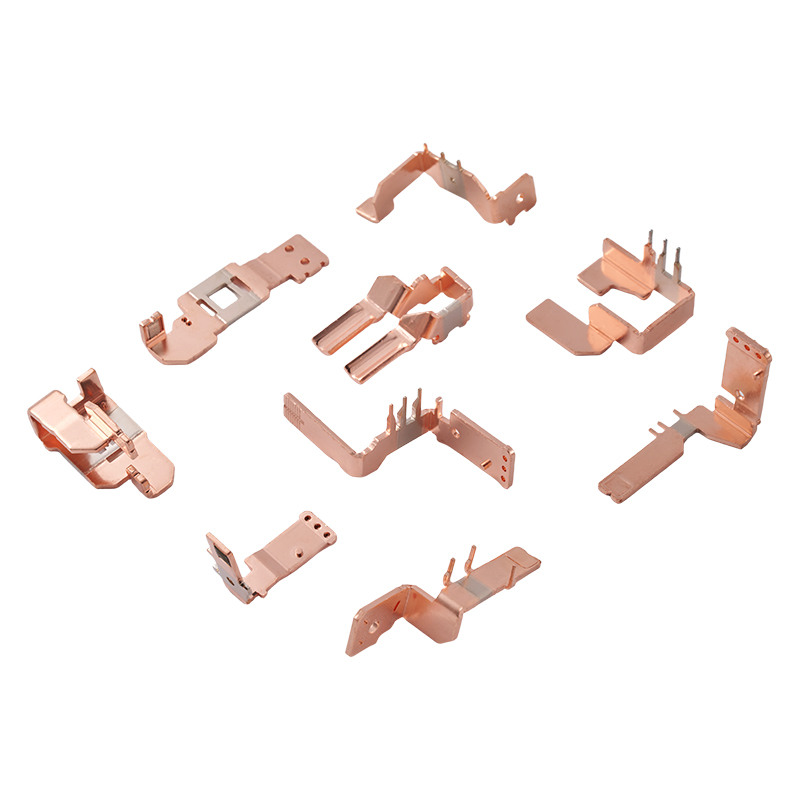
Relay components often need to fit together within a relatively compact structure. Terminal dimensions, mounting features, spring geometry, and contact positions must correspond with the design requirements of the complete relay.
If a metal part is outside the specified tolerance range, it may create difficulties during assembly or affect the movement of related components. However, tighter tolerances are not automatically necessary for every feature. Engineers should identify which dimensions directly influence fit, movement, or electrical contact and define tolerances accordingly.
For manufacturers, reviewing customer drawings before production helps clarify critical dimensions and avoid unnecessary processing requirements.
Many relay metal components are produced through stamping and forming processes. These operations need to maintain the required shape while controlling burrs, deformation, and dimensional variation.
Poorly maintained tooling or unsuitable process settings may lead to inconsistent edges, changes in component geometry, or differences between production batches. Such variations can become more noticeable when parts are assembled automatically.
A controlled stamping process should consider:
These checks help manufacturers identify process changes before they affect a larger quantity of components.
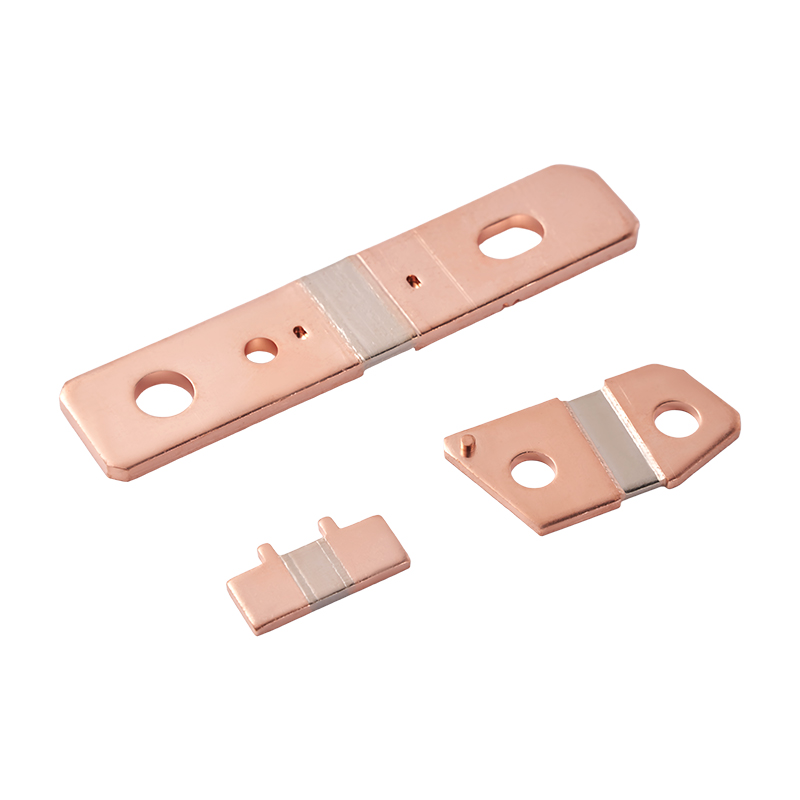
In electromechanical relays, metal contact components are involved in making and breaking electrical connections. Their surface condition and material characteristics can influence contact behavior during operation.
Depending on the relay design, contact materials and surface treatments may be selected to address requirements such as electrical conductivity, contact resistance, wear, and resistance to environmental influences.
Buyers should confirm the required contact material, coating or plating specification, and relevant inspection criteria. It is also important to distinguish between the base metal of a component and the material used at its electrical contact area, since they may serve different functions.
Different relay components may require different combinations of conductivity, mechanical strength, elasticity, and formability. A material suitable for a terminal may not necessarily be the best choice for a spring component.
Engineers should consider the component's role, expected mechanical movement, electrical requirements, and operating environment before finalizing the material specification.
Manufacturers can support this process by reviewing the drawings and proposed material grades together. Any substitution should be evaluated carefully because changes in material properties may affect forming behavior, spring characteristics, or contact performance.
Some relay metal parts need to provide a controlled mechanical force during switching. In these applications, spring geometry, material properties, and forming consistency are closely connected.
Variations in thickness, bending angle, or formed shape can change the mechanical response of a component. This may influence contact pressure, movement, or the relationship between different parts in the relay assembly.
For this reason, inspection should cover functional dimensions as well as basic length and width measurements. Where required by the design, buyers can discuss how spring characteristics and formed geometry are verified during production.
A sample may meet the drawing requirements, but repeat production needs to maintain the same specifications. Differences between batches can create assembly adjustments, inspection difficulties, and production interruptions for relay manufacturers.
A supplier evaluation should therefore include more than an initial sample review. Buyers can ask about material traceability, inspection records, tooling management, process monitoring, and procedures for handling nonconforming parts.
Clear technical communication is equally important. Updated drawings, revision control, approved samples, and agreed inspection methods help both parties work from the same requirements.
Reliable relay assembly begins with metal components that match the intended mechanical and electrical design. As an Electric Relay Metal Parts manufacturer, understanding critical dimensions, material properties, stamping processes, contact specifications, and inspection requirements is essential when developing components for different relay applications. Overseas buyers should provide detailed drawings, material requirements, and functional information when requesting a quotation. Evaluating these factors together makes supplier selection more practical and helps ensure that Electric Relay Metal Parts remain consistent with the requirements of the final relay assembly.





 English
 русский
 Français
 日本語
 Español
 Deutsch
 عربى
 Indonesia
 +86-18257772883