
As relay manufacturers continue to improve production efficiency, automated assembly has become an important consideration in component sourcing. Metal parts that are handled manually without difficulty may create problems when they enter automated feeding, positioning, and assembly processes. Inconsistent dimensions, irregular edges, or unsuitable part geometry can interrupt production and increase the need for manual adjustments. For buyers sourcing Electric Relay Metal Parts, understanding automation requirements early can help prevent these issues and improve compatibility between components and assembly equipment.
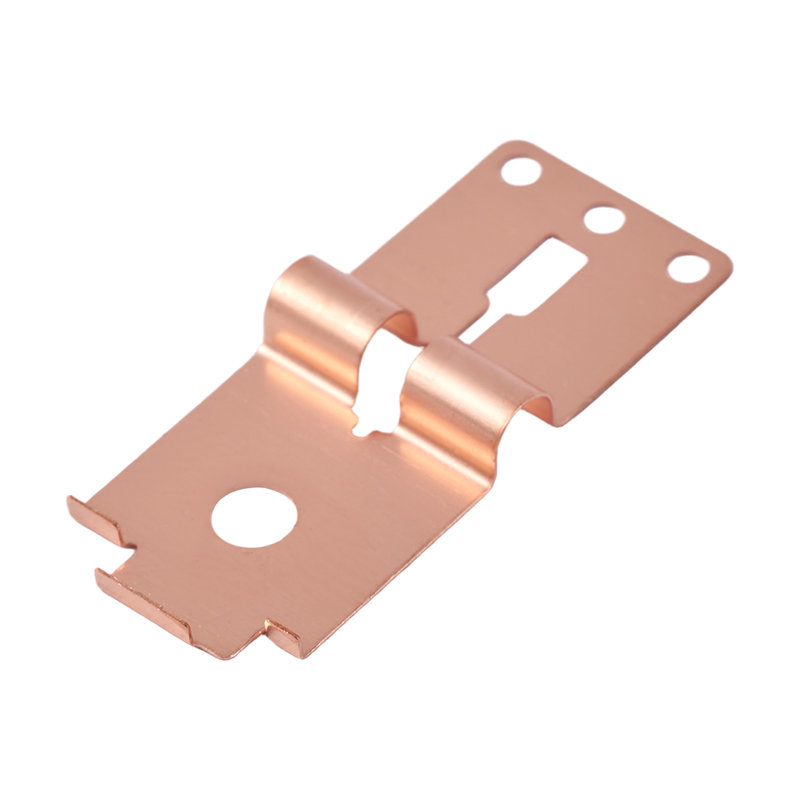
Automated feeding systems rely on predictable component shapes and orientations. If metal parts have inconsistent dimensions, unexpected bends, or irregular edges, they may become difficult to separate, feed, or position correctly.
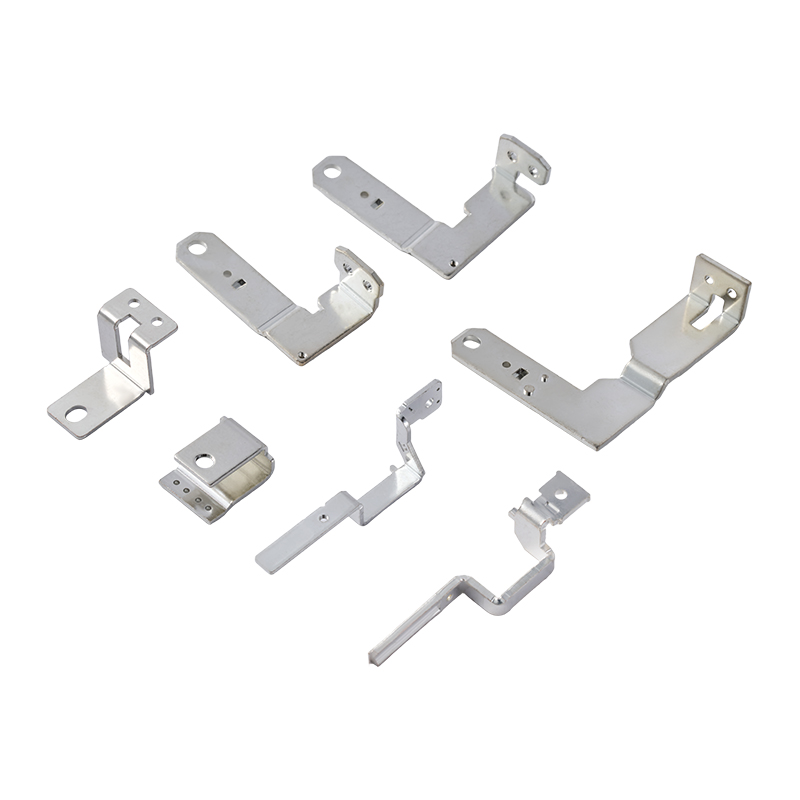
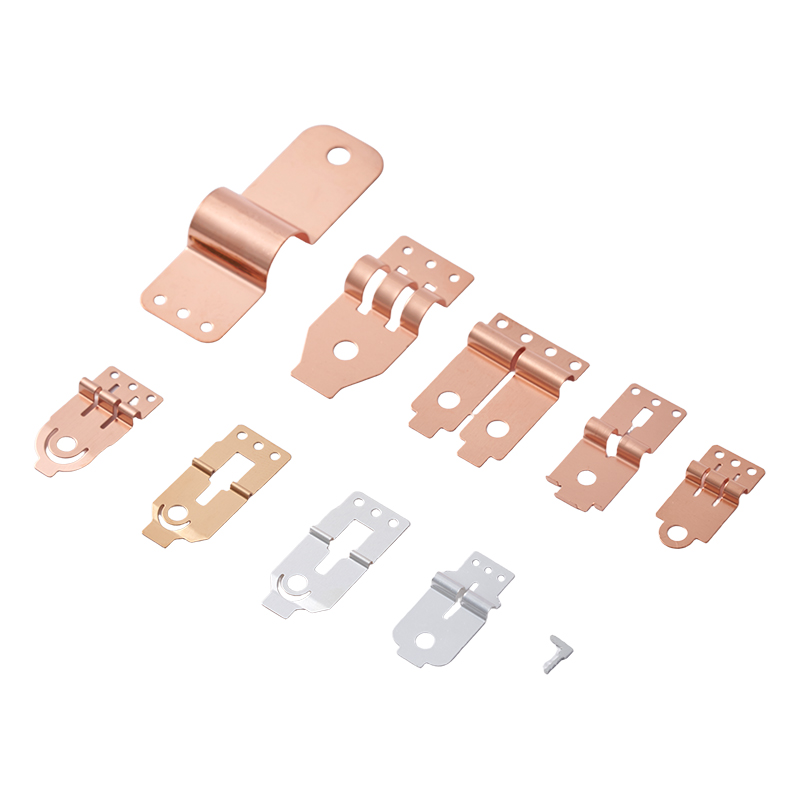
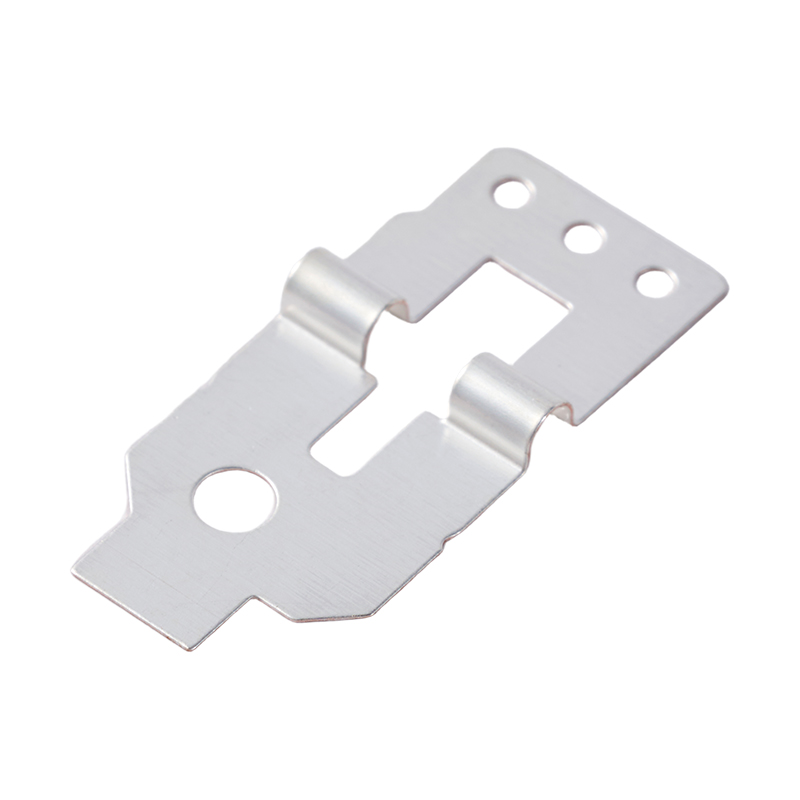
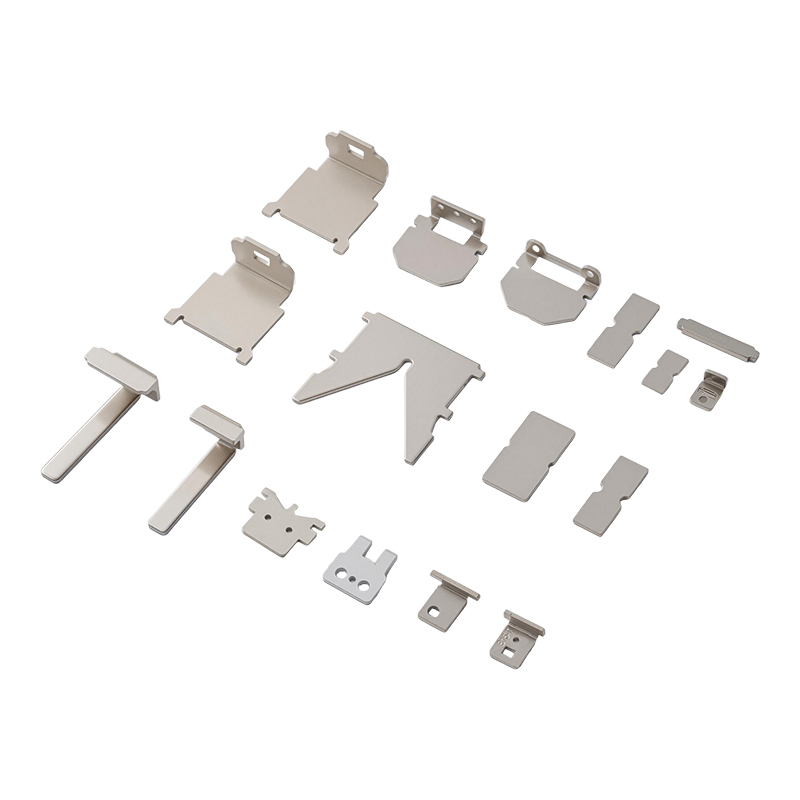
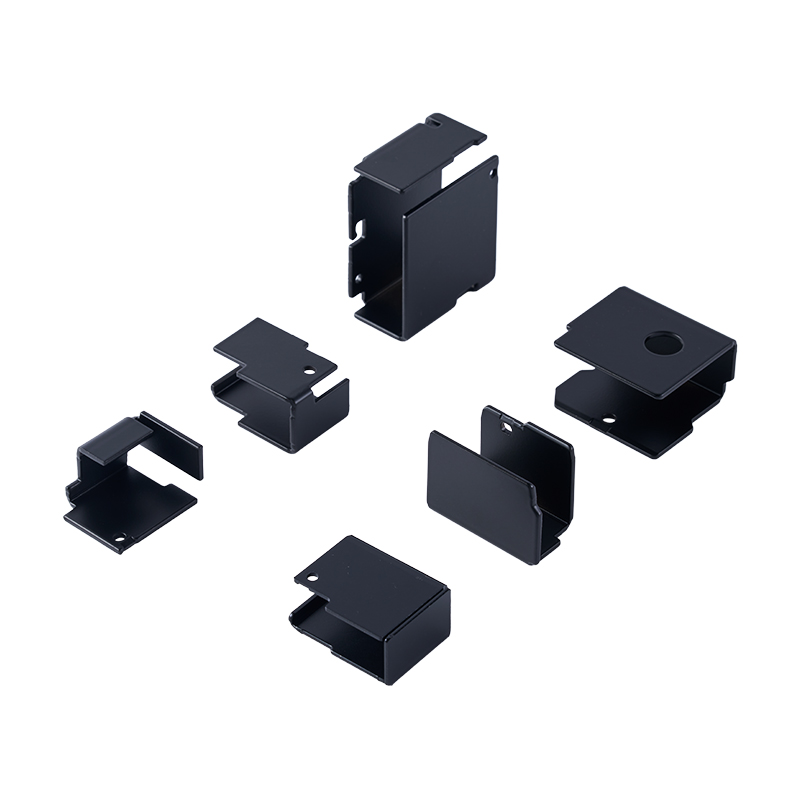
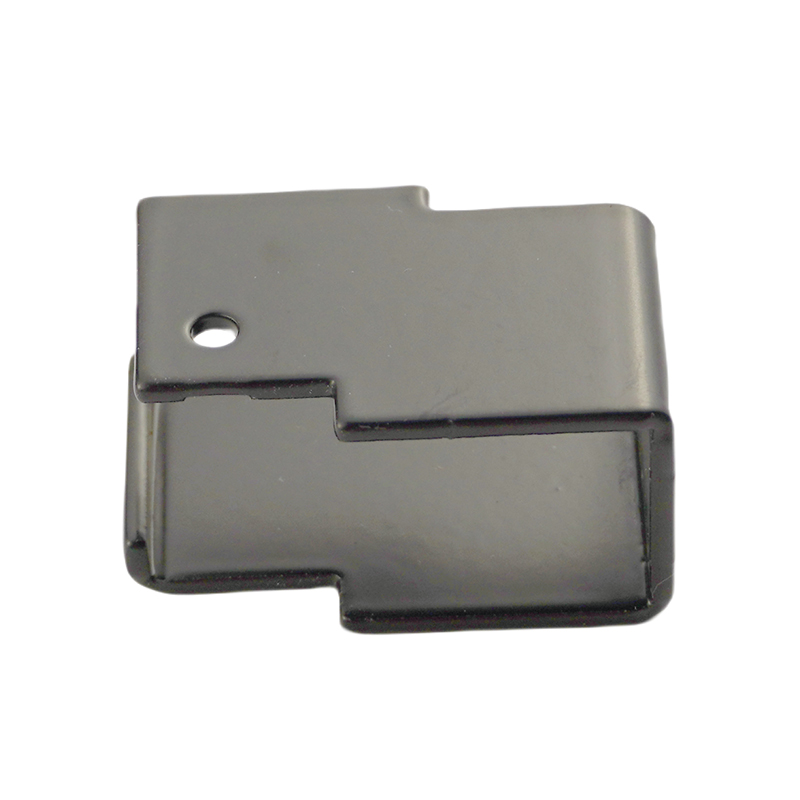
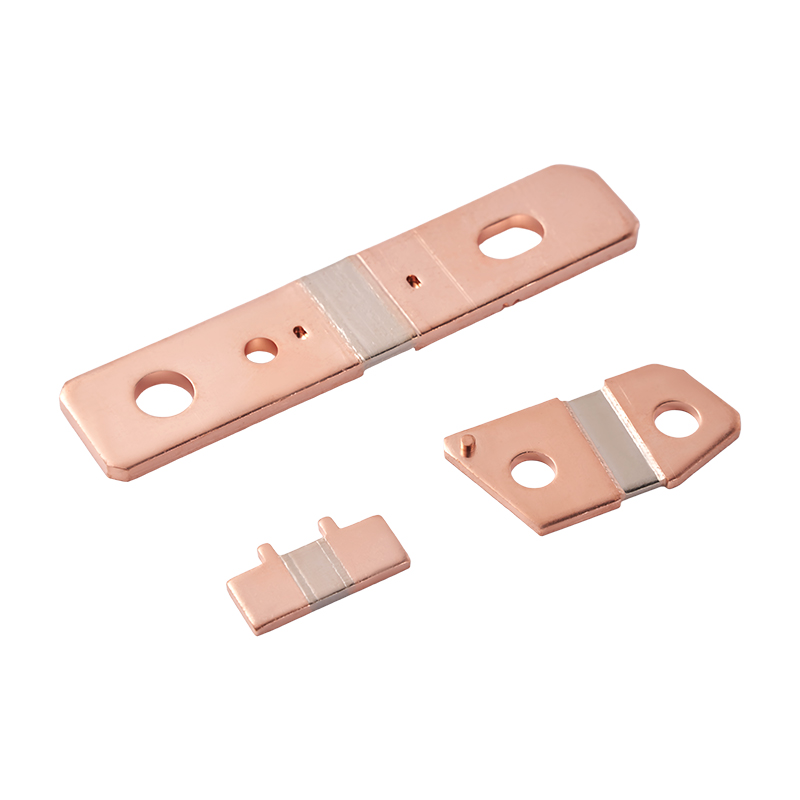
The design of terminals, contact supports, and other stamped components should therefore consider how each part will move through the assembly process. Features such as bends, tabs, holes, and locating edges may influence how a component is handled by feeding equipment.
Manufacturers should review the part drawings alongside the customer's assembly requirements instead of evaluating geometry only from the perspective of individual component production.
Automated equipment typically follows predefined positioning and assembly parameters. When component dimensions vary between batches, the production line may require repeated adjustments or experience inconsistent fitting results.
Critical dimensions should be identified according to their influence on the assembly process. These may include terminal spacing, formed angles, hole positions, component thickness, and contact locations.
For procurement teams, it is useful to clarify which dimensions are functionally important and how they will be inspected. This allows the supplier to establish appropriate process controls without imposing unnecessary tolerances on every feature.
Burrs created during stamping can affect both component handling and assembly quality. Sharp or uneven edges may interfere with part separation, cause components to catch during feeding, or create difficulties when parts are inserted into fixtures.
The condition of the cutting edges, die clearance, material properties, and tooling maintenance all influence burr formation. Manufacturers should monitor these factors during production and define suitable edge-quality requirements with customers.
For components used in automated assembly, buyers should pay particular attention to burr direction and location, since even a small projection may affect how a part moves through a feeding mechanism.
Many relay metal components require bending or forming to achieve their final geometry. These operations determine the position of terminals, spring sections, and connecting features within the finished assembly.
Variations in bending angles or formed heights can affect how a component fits into an assembly fixture. This may become more noticeable when production involves repeated high-volume operations.
Manufacturers should consider material thickness, forming sequence, tooling condition, and springback during process development. Where necessary, sample parts can be evaluated using the customer's actual assembly fixtures before mass production begins.
Surface finishes are often selected for electrical, corrosion protection, or soldering requirements. However, surface condition may also affect how components interact with feeding equipment and positioning mechanisms.
Excessive oil residue, surface contamination, or inconsistent finishing can create handling and cleanliness concerns. Buyers should communicate any requirements related to surface cleanliness, coating specifications, and packaging before production.
A suitable finishing and cleaning process should protect the intended function of the component while maintaining the conditions required by the assembly environment.
Traditional dimensional inspection is important, but automated assembly may introduce additional quality requirements. A component can meet its basic drawing dimensions and still be difficult to feed or position consistently.
For this reason, manufacturers and buyers should consider practical assembly evaluations during sample approval. Important checks may include:
These checks connect component inspection with the actual manufacturing process in which the parts will be used.
Automation compatibility should be discussed before tooling and production arrangements are finalized. Buyers can provide component drawings, assembly requirements, feeding direction, fixture information, and sample evaluation criteria to help suppliers understand the complete application.
As an Electric Relay Metal Parts manufacturer, considering stamping accuracy, forming consistency, edge quality, and assembly compatibility helps us develop components around the customer's production requirements. For overseas relay manufacturers, working with a supplier that understands automated assembly can reduce avoidable adjustments and improve coordination between component production and final product manufacturing. Selecting Electric Relay Metal Parts based on both component specifications and assembly conditions creates a more practical foundation for stable production.





 English
 русский
 Français
 日本語
 Español
 Deutsch
 عربى
 Indonesia
 +86-18257772883