
As electrical equipment becomes more compact and manufacturers place greater emphasis on dependable switching performance, the metal components inside a relay deserve careful attention. Small variations in dimensions, surface condition, or material properties can affect assembly accuracy and electrical contact behavior. For procurement teams and engineers, sourcing Electric Relay Metal Parts is therefore not simply a matter of comparing prices or drawings. It requires an understanding of material selection, forming processes, dimensional control, and how each component performs within the finished relay.
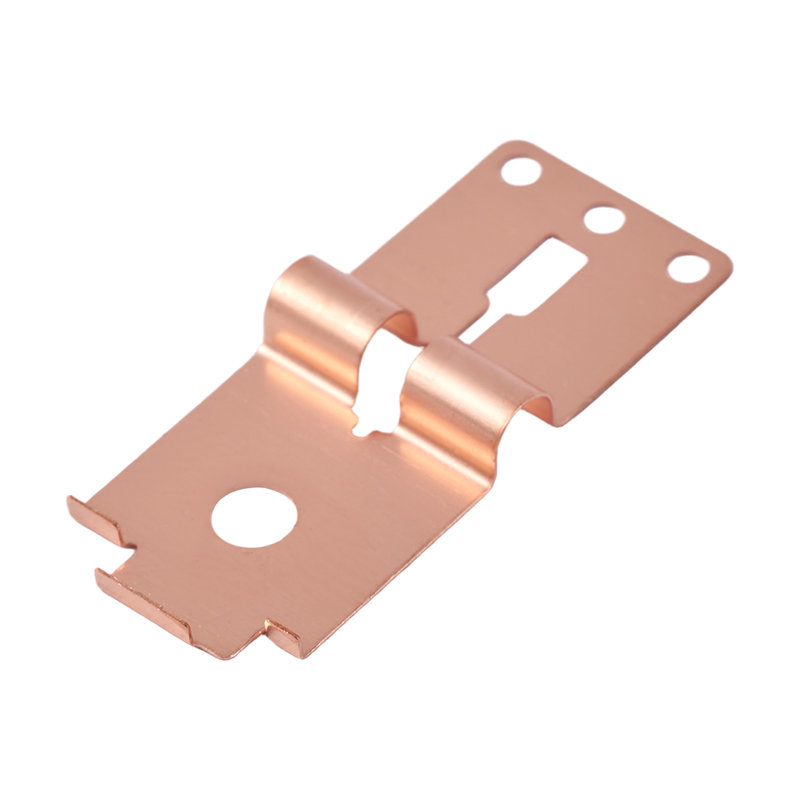
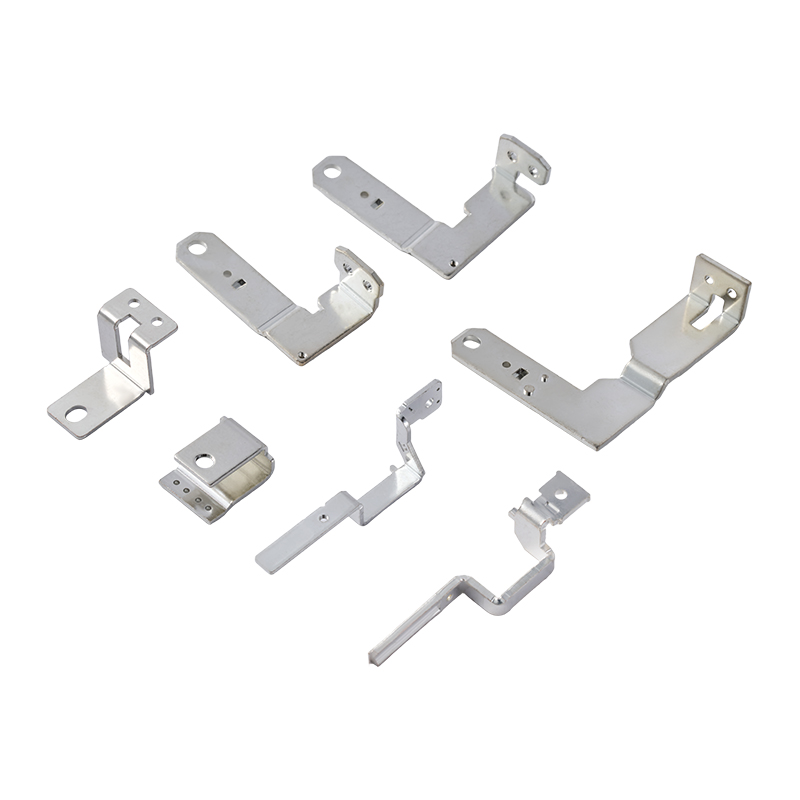
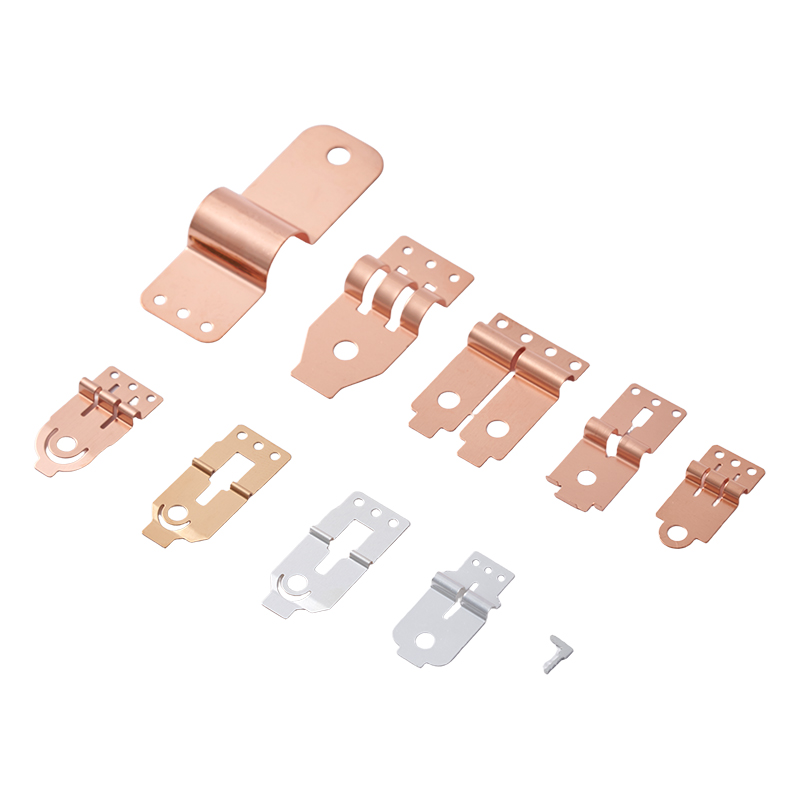
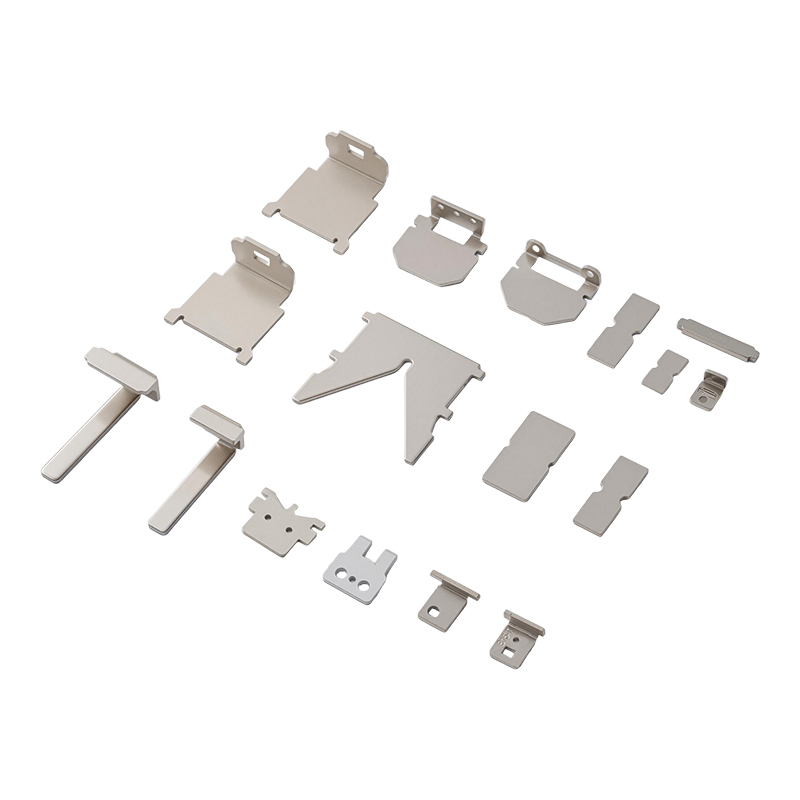
Relay metal components may serve different functions, including conducting current, supporting moving contacts, providing spring force, or forming structural connections. Each application places different demands on the material.
Electrical conductivity, mechanical strength, elasticity, corrosion resistance, and formability are among the factors manufacturers need to evaluate. A material suitable for a fixed conductive terminal may not be the best choice for a spring component that repeatedly moves during relay operation.
Buyers should communicate the component's function, operating environment, and relevant electrical or mechanical requirements before confirming a material specification. This allows the manufacturer to assess material options according to the actual application rather than relying on a general-purpose selection.
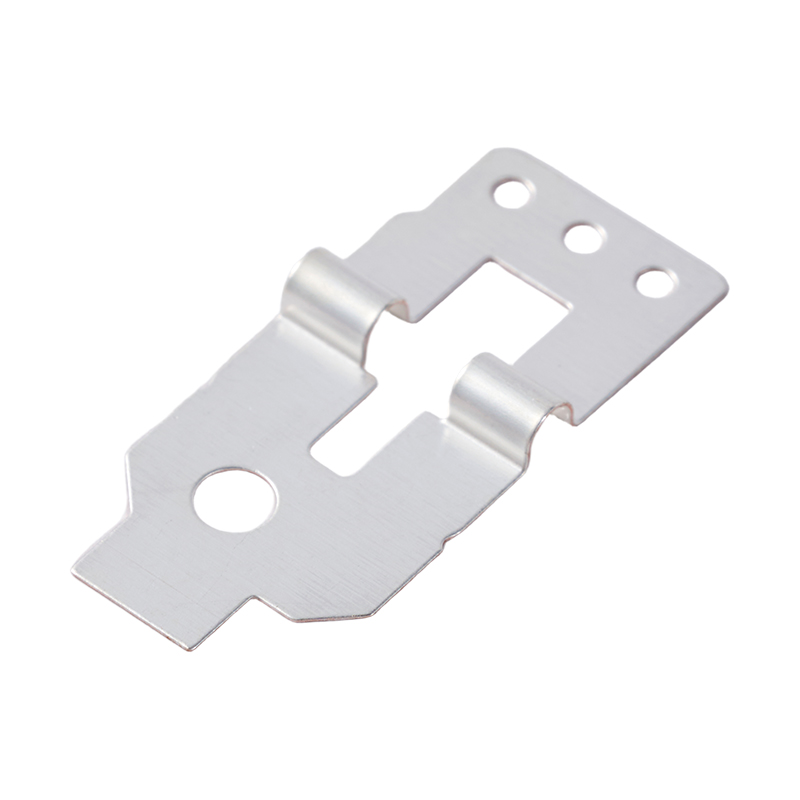
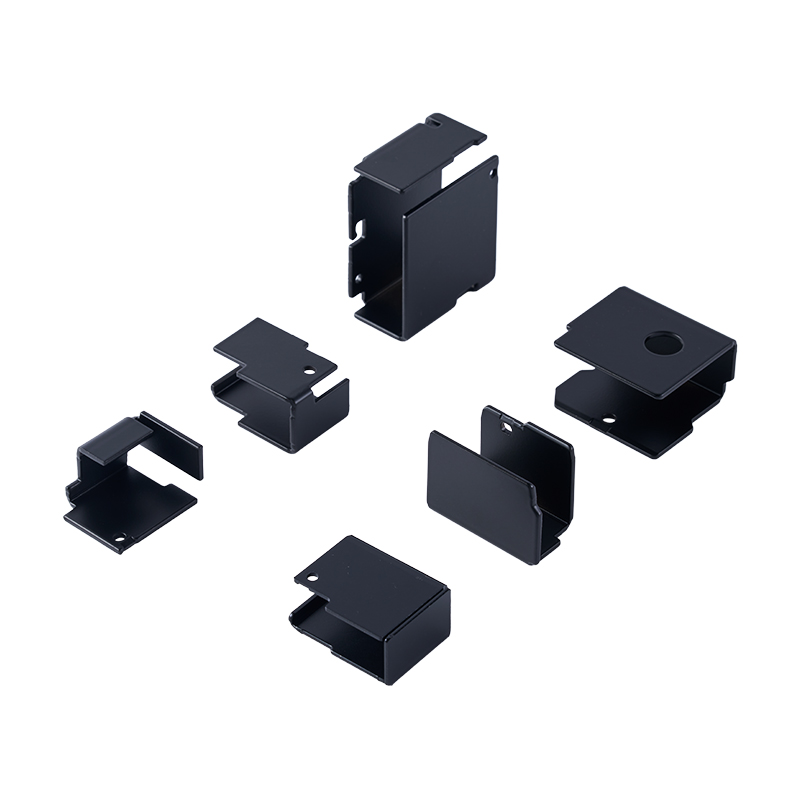
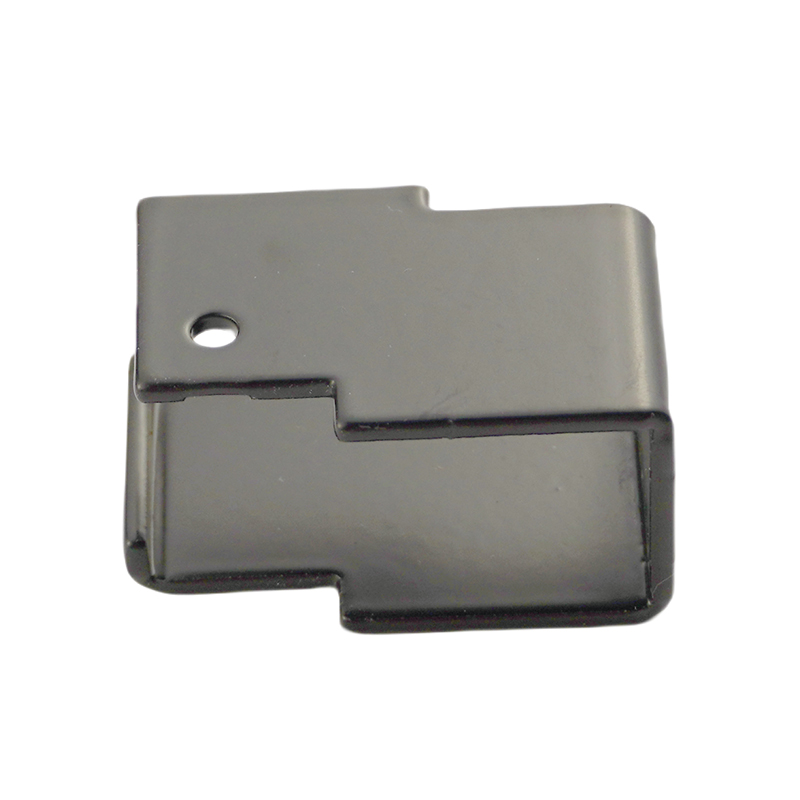
Relay components are often small, but their dimensions must correspond closely with the assembly design. Incorrect hole positions, uneven edges, inconsistent thickness, or variations in formed angles may create difficulties during automated or manual assembly.
For manufacturers, dimensional control should cover more than the final appearance of a part. Important inspection points may include:
Clear technical drawings and agreed inspection criteria help buyers and suppliers establish consistent expectations before mass production begins.
Many relay metal components are produced through stamping, punching, bending, or other metal-forming processes. The appropriate method depends on part geometry, material characteristics, dimensional requirements, and expected production volume.
Tooling design is particularly important when a component includes multiple holes, narrow profiles, or several forming stages. Poor coordination between the tooling and material properties can lead to deformation, dimensional variation, or inconsistent edges.
A manufacturer should review the drawing and production requirements before finalizing the process. Early evaluation can also help identify whether a component needs progressive tooling, separate forming operations, or adjustments to its original design.
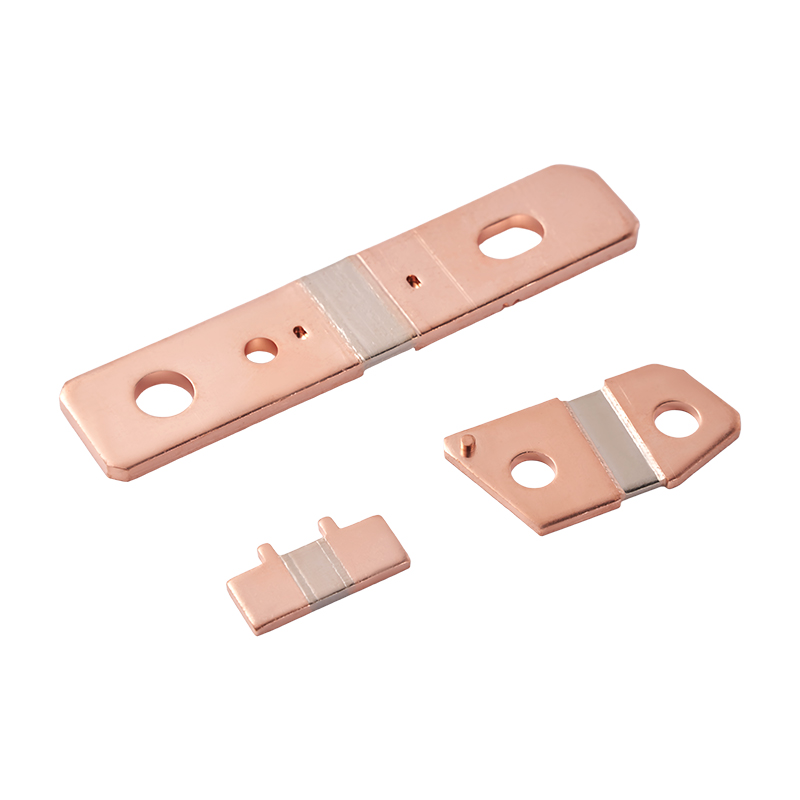
For relay components involved in electrical connections, surface condition deserves particular consideration. Contact areas may require specific finishing or plating requirements depending on the electrical design and intended operating conditions.
Buyers should clarify whether a part needs a particular surface treatment, coating thickness, or contact finish. They should also confirm which areas require treatment and which areas must remain untreated for assembly or electrical reasons.
Manufacturers need to control the finishing process alongside the underlying metalworking operation. Surface treatment should be evaluated against the component's function, not selected only for visual appearance.
Some relay metal parts need to maintain a defined shape while providing repeated mechanical movement. Spring characteristics, formed geometry, and material consistency can all influence how these components behave during operation.
For these parts, buyers should discuss the required mechanical properties and functional expectations with the manufacturer. Inspection may need to consider formed dimensions, spring response, and consistency between production batches.
This is also an area where sample evaluation is useful. Checking the component in its intended assembly can reveal potential fit or movement issues that may not be obvious from a dimensional report alone.
Inspecting only finished components may not provide enough information about manufacturing consistency. A more structured approach considers quality at different stages, from incoming material to forming, finishing, and final inspection.
For Electric Relay Metal Parts, manufacturers can establish inspection procedures around critical dimensions, tooling condition, burr control, surface treatment, and packaging. Where appropriate, first-article inspection and production records can help buyers review whether the supplied parts match the approved specifications.
Clear communication about acceptable tolerances and inspection methods is especially important for repeat orders.
For overseas relay manufacturers and component distributors, a suitable supplier should be able to discuss more than unit pricing. Drawing review, material recommendations, tooling evaluation, surface finishing, sample approval, and production consistency all contribute to a reliable sourcing process.
An experienced Electric Relay Metal Parts manufacturer can assess these requirements as connected stages of component production. By sharing detailed drawings, application conditions, and inspection expectations at the beginning of a project, buyers can make more informed sourcing decisions and develop metal components that fit their relay designs and manufacturing processes.





 English
 русский
 Français
 日本語
 Español
 Deutsch
 عربى
 Indonesia
 +86-18257772883