
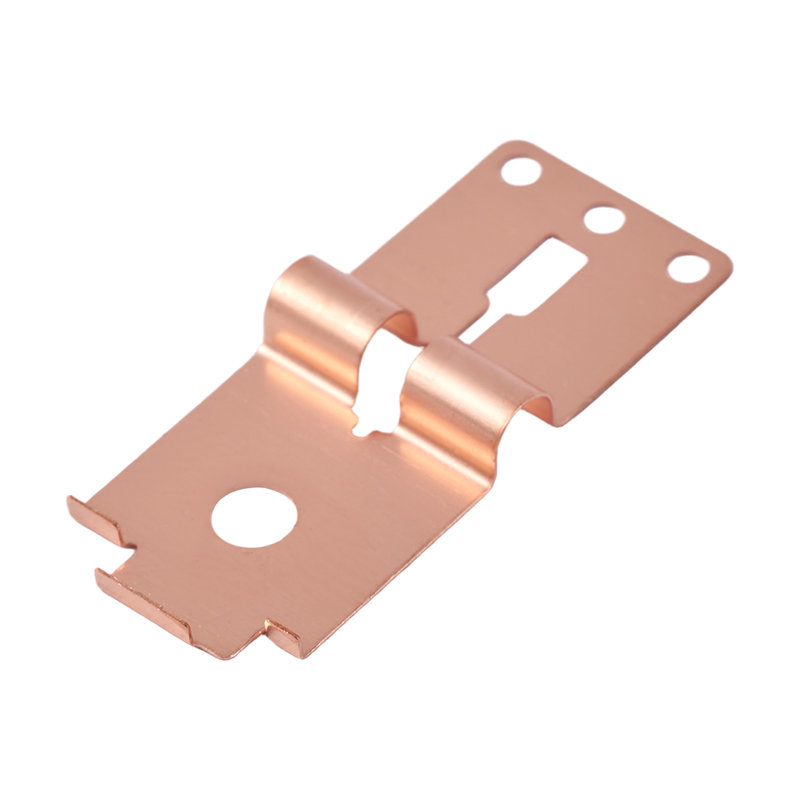
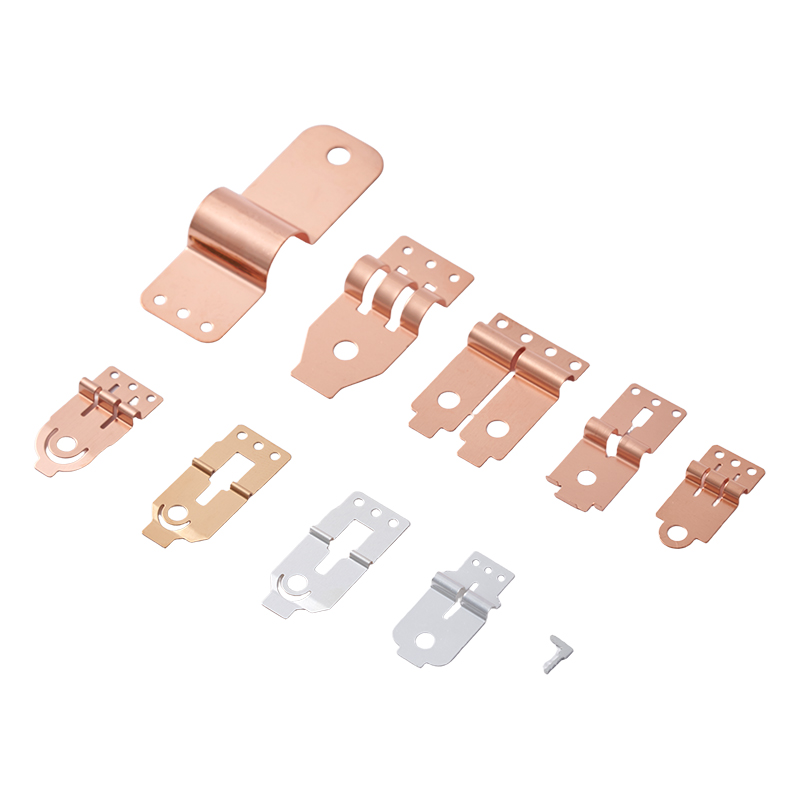
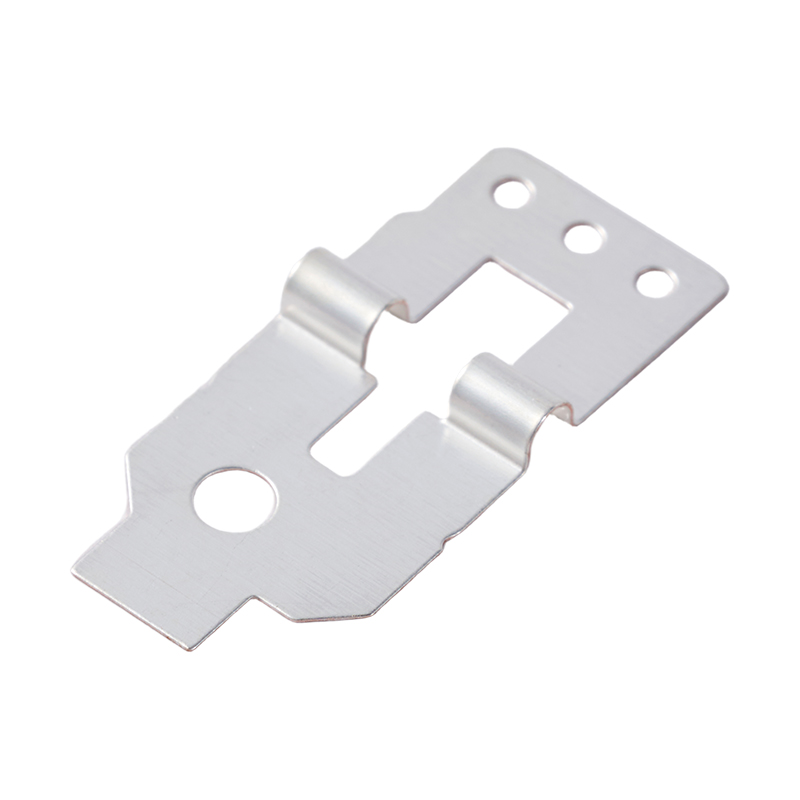
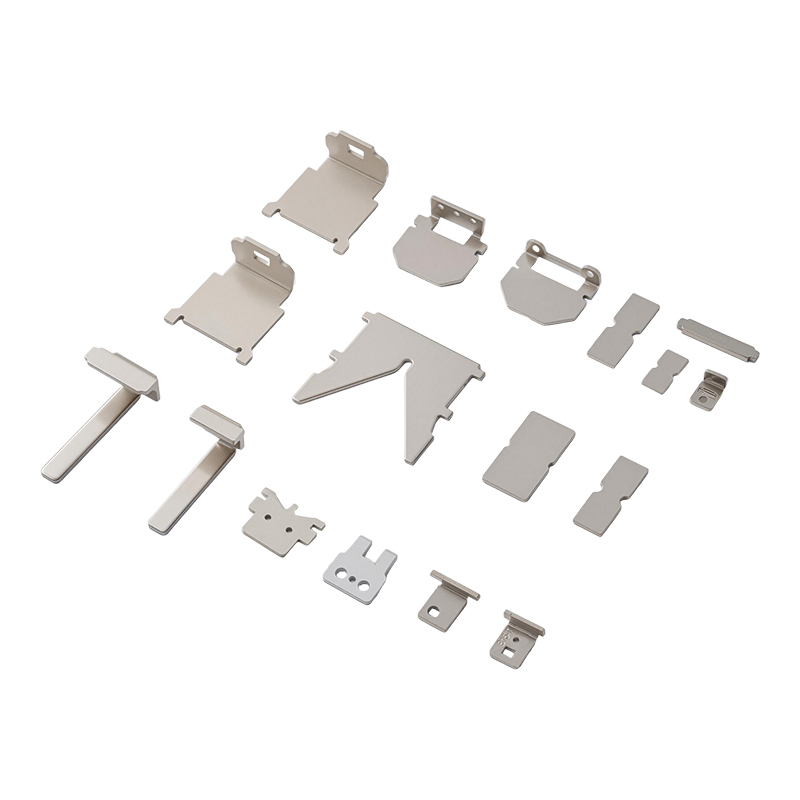
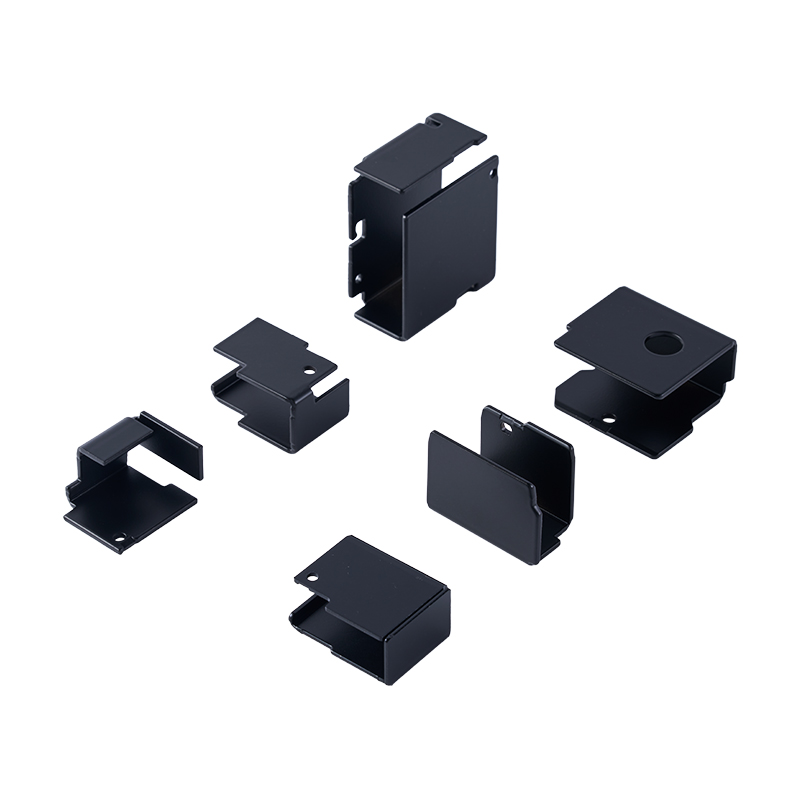
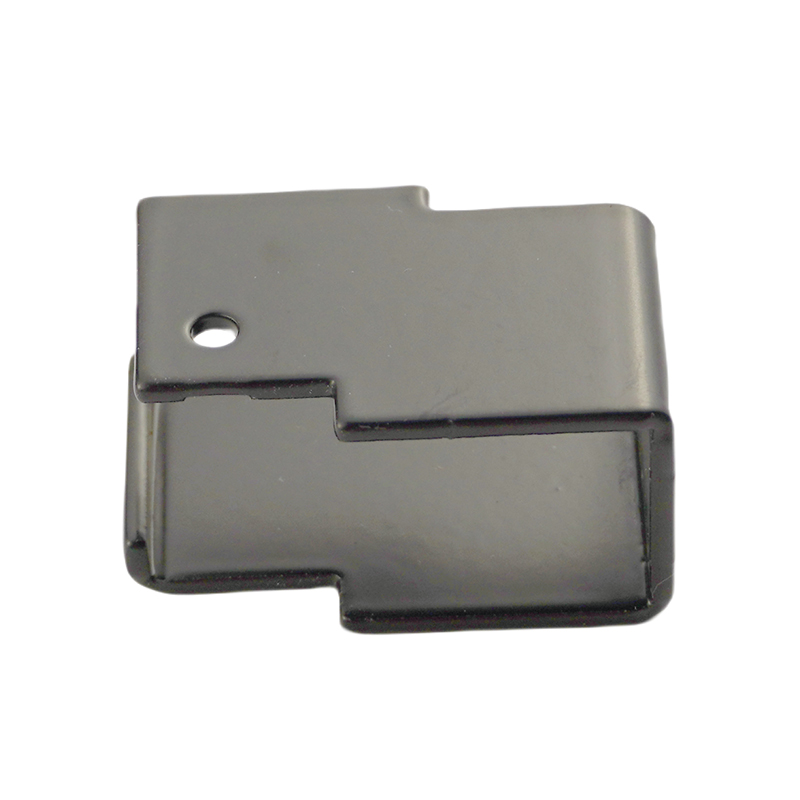
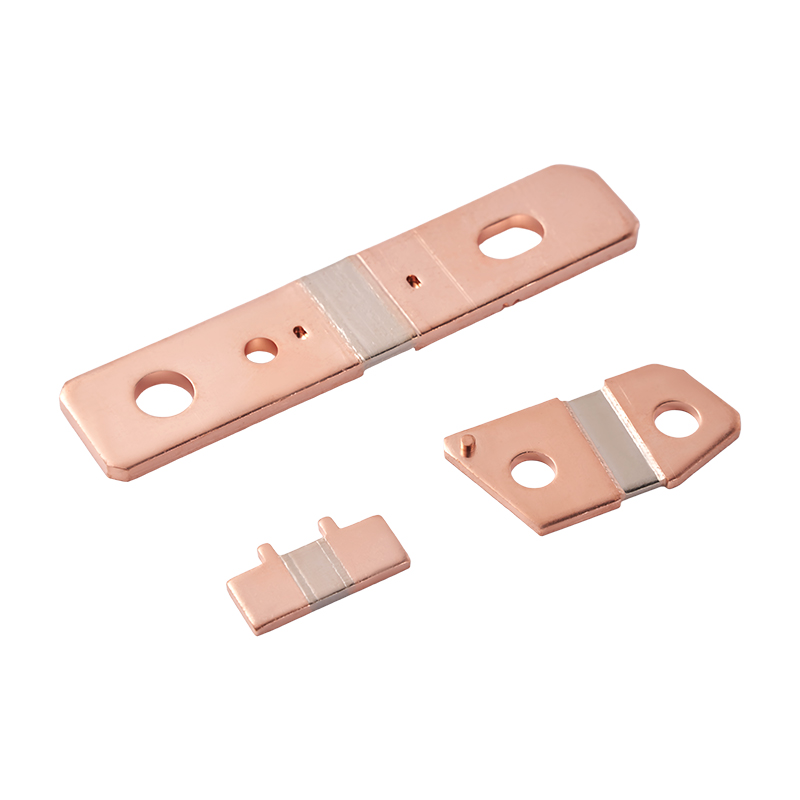
Metal components inside an electrical relay may appear small, but their surface condition can influence assembly quality, electrical connections, and long-term product performance. During manufacturing, storage, and transportation, these parts may encounter humidity, temperature changes, handling residues, and other environmental factors. For overseas buyers, selecting Electric Relay Metal Parts therefore involves more than confirming the base material and dimensions. Surface treatment, corrosion protection, and compatibility with the intended application should also be considered when developing a reliable sourcing plan.
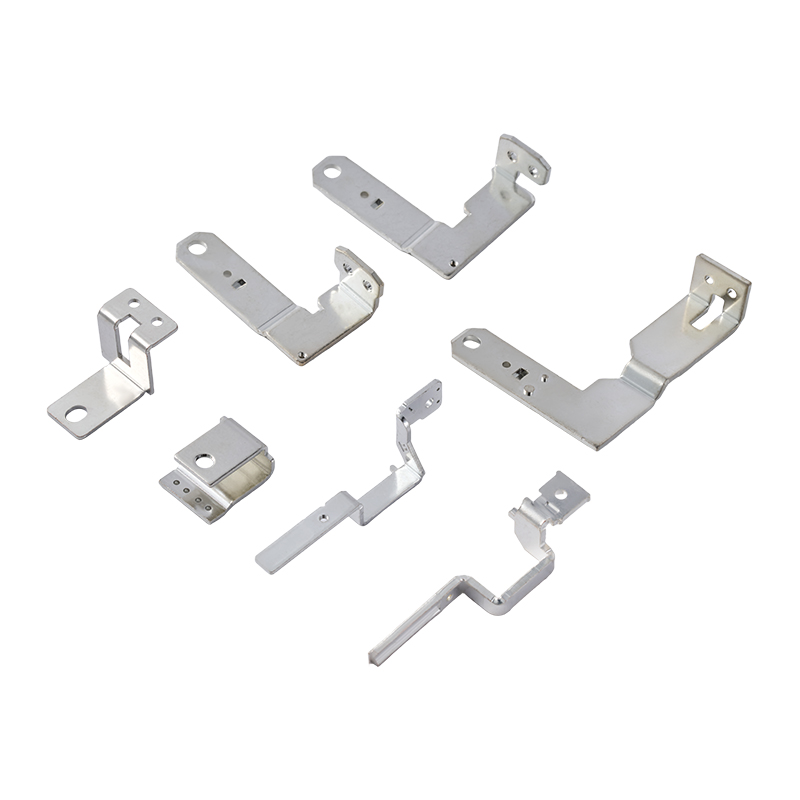
Different relay applications expose metal components to different conditions. Parts used in indoor electrical equipment may face relatively controlled environments, while components intended for industrial equipment could encounter greater humidity, temperature variation, or airborne contaminants.
The first step is to identify which parts are most vulnerable and what type of protection they require. Terminals, conductive contacts, connecting pieces, and structural components may have different surface requirements because they perform different functions.
Manufacturers should evaluate the working environment and component function before recommending a surface treatment. Applying the same finish to every metal part may not be the most appropriate approach.
Surface plating can serve several purposes, including corrosion protection, improved solderability, and maintaining suitable electrical contact characteristics. Common options in relay-related metal components may include tin, nickel, silver, or other finishes, depending on the design.
However, plating selection should not be based on appearance alone. Buyers need to consider:
For example, a terminal designed for soldering may have different finishing requirements from a component used as an electrical contact. The final selection should follow the component's technical function.
Even when the correct plating material is selected, inconsistent coating thickness or incomplete surface coverage can create quality concerns. Variations may occur around edges, holes, formed sections, or other geometrically complex areas.
This makes process control an important part of supplier evaluation. Manufacturers should establish suitable inspection procedures for coating appearance, coverage, and thickness according to the agreed specifications.
For buyers purchasing large quantities, it is useful to clarify the inspection method and acceptance criteria before mass production. This helps prevent differences in expectations between the supplier and the customer's quality team.
Some relay components undergo stamping, bending, and forming before or after surface treatment. These operations can influence the condition of the finished coating, particularly when a component contains narrow bends or complex shapes.
If the production sequence is not properly considered, the coating may become damaged or uneven in areas subjected to mechanical stress.
Manufacturers need to evaluate whether plating should take place before or after forming based on the component design and finishing requirements. Buyers should communicate the relevant drawings and processing expectations early so that the production route can be reviewed before tooling and manufacturing arrangements are finalized.
Corrosion protection does not end when a component leaves the production line. Metal parts may remain in storage or pass through several transportation stages before reaching the relay assembly facility.
Packaging should help reduce exposure to moisture, contamination, and unnecessary contact between components. Depending on the material and finish, suitable protective packaging and storage conditions may be required.
Overseas buyers should discuss packaging methods, storage recommendations, and transportation arrangements with suppliers, particularly when components will be shipped over long distances or stored before assembly.
A clean and shiny surface does not necessarily indicate that a component meets its technical requirements. Buyers should establish inspection criteria based on the intended function and the specified finish.
Depending on the application, quality checks may include:
The appropriate inspection scope should be agreed upon by the manufacturer and buyer rather than assumed to be identical for every component.
Choosing the right finish requires coordination between material selection, stamping, forming, plating, inspection, and packaging. As an Electric Relay Metal Parts manufacturer, understanding these connections helps us evaluate surface treatment requirements according to the function and working environment of each component. Overseas buyers should provide material grades, drawings, finishing specifications, and application details when requesting a quotation. A clearly defined production and inspection process can help maintain consistent component quality and make Electric Relay Metal Parts more suitable for the requirements of different relay assemblies.





 English
 русский
 Français
 日本語
 Español
 Deutsch
 عربى
 Indonesia
 +86-18257772883