
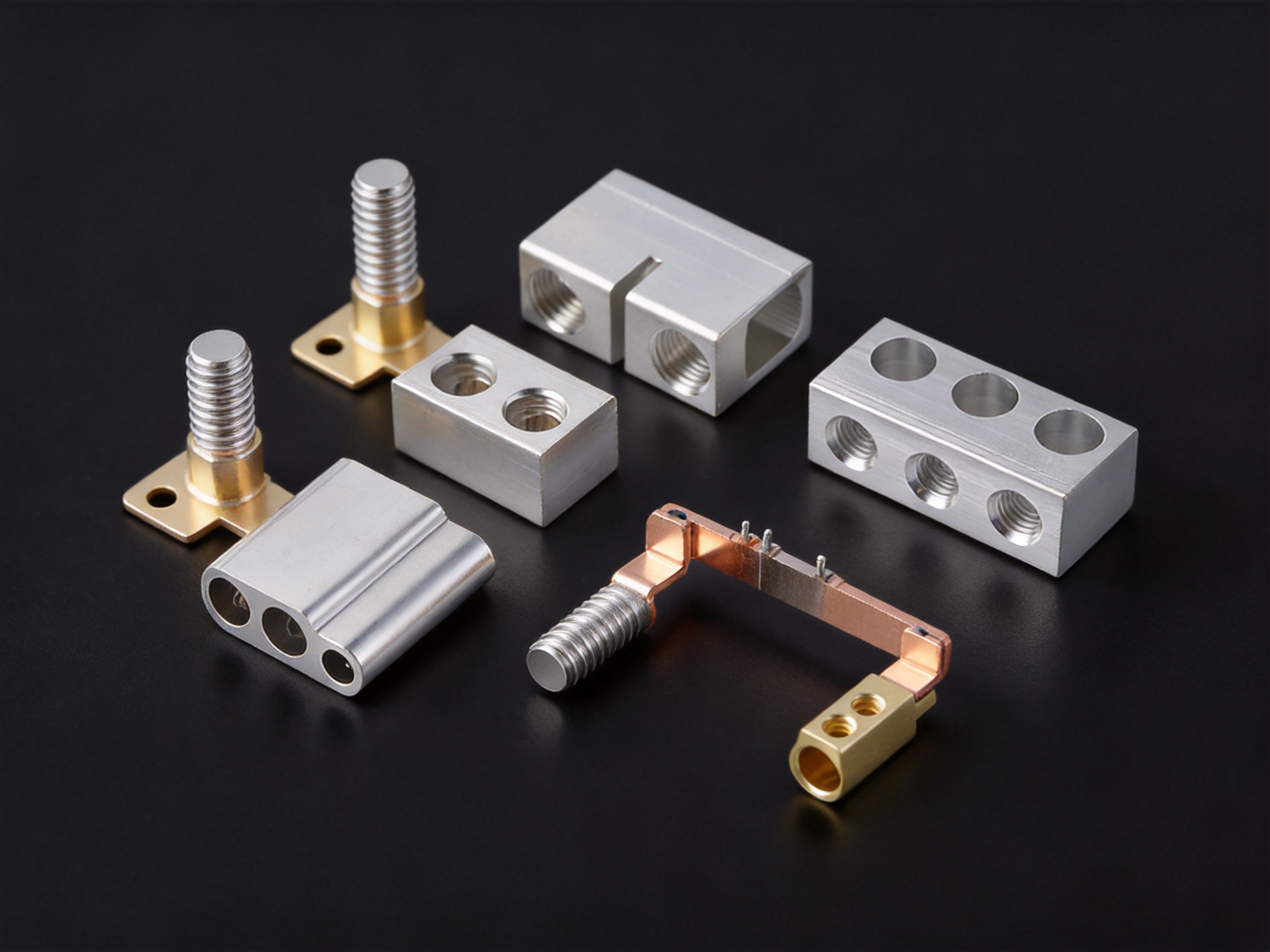
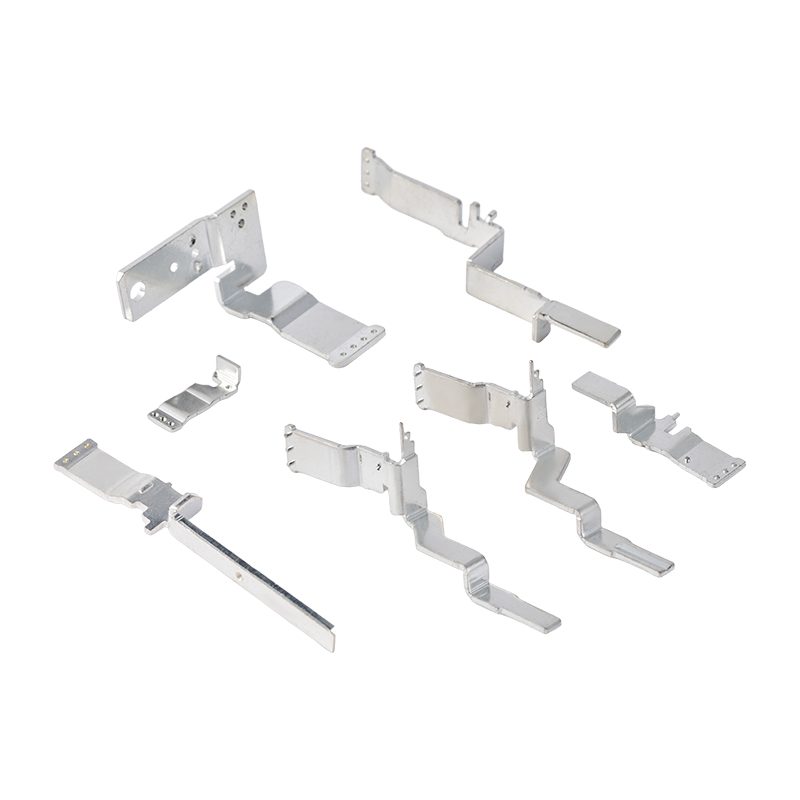
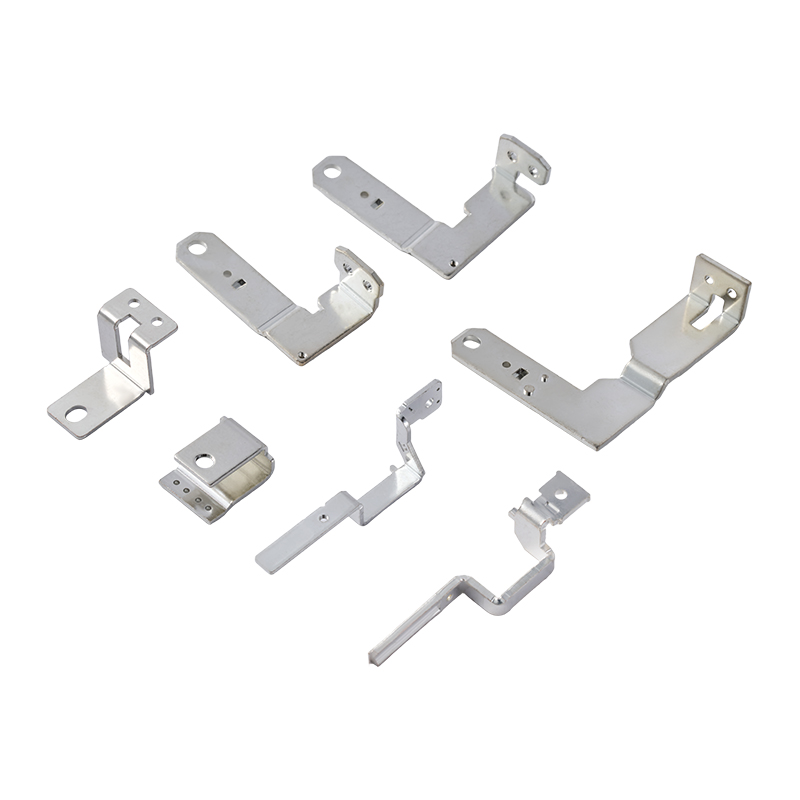
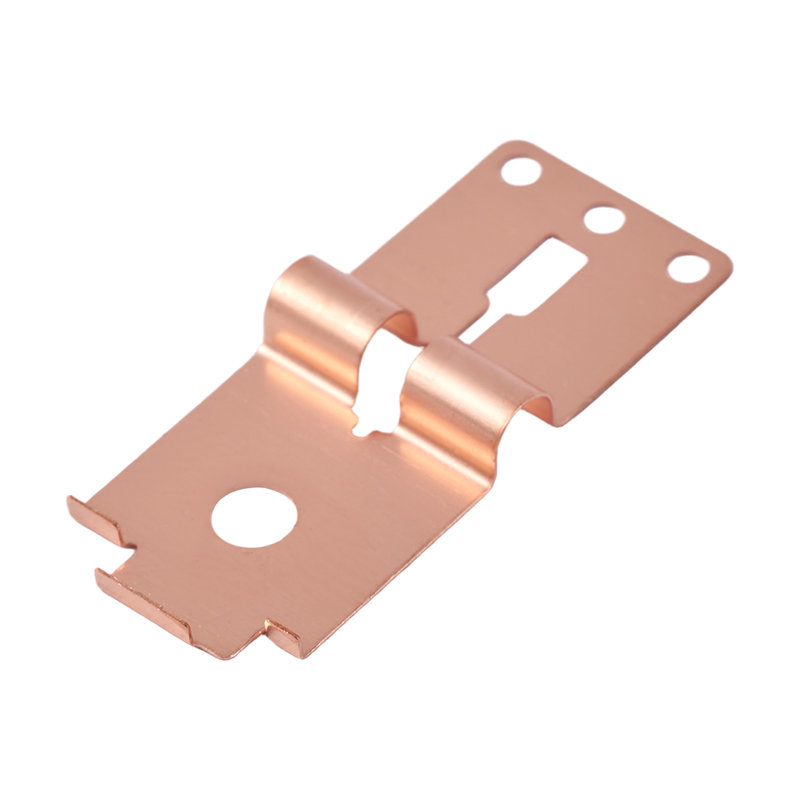
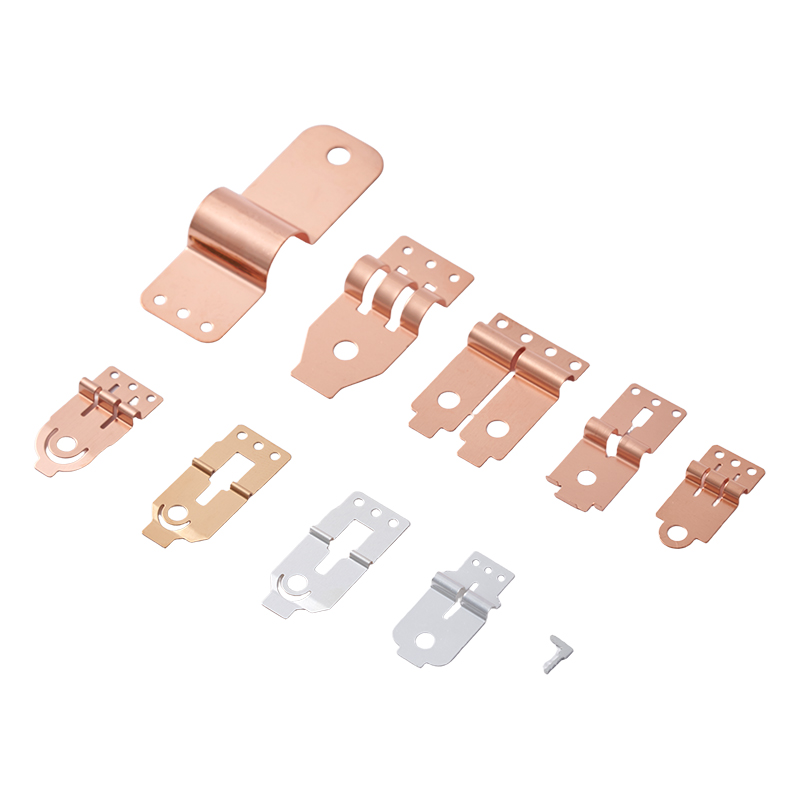
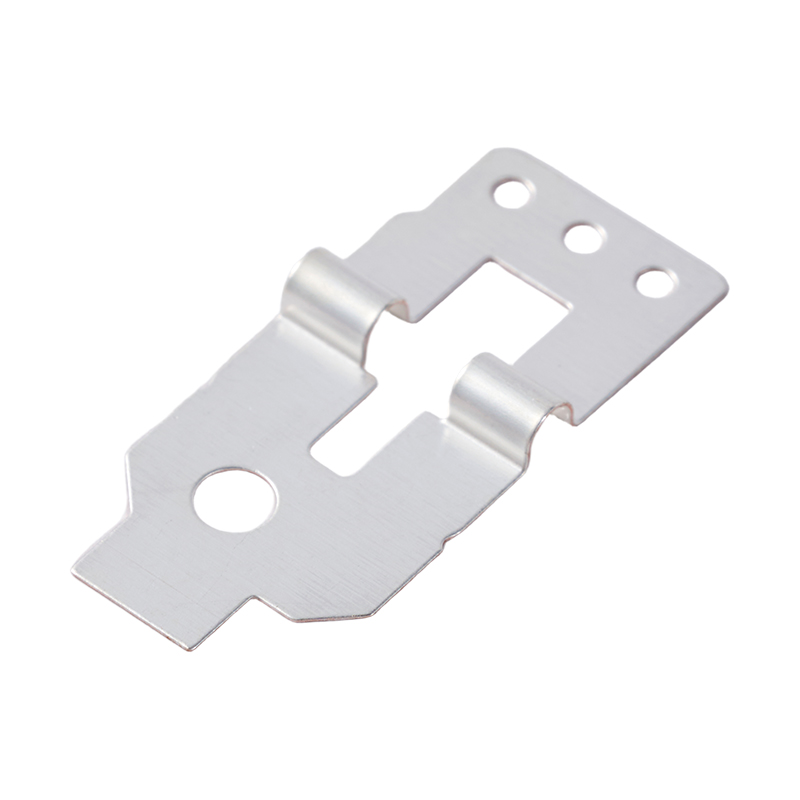
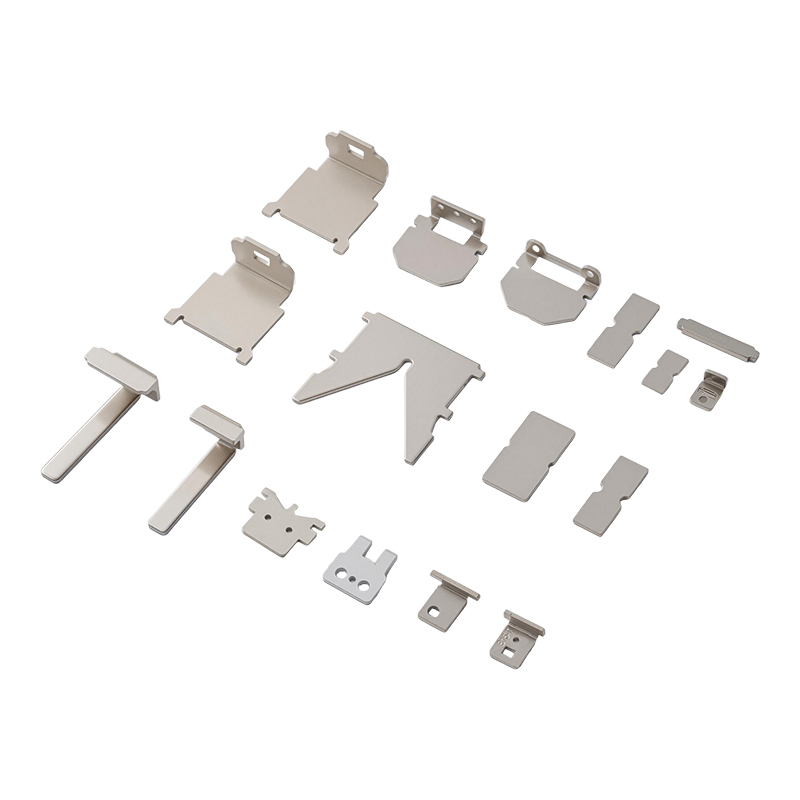
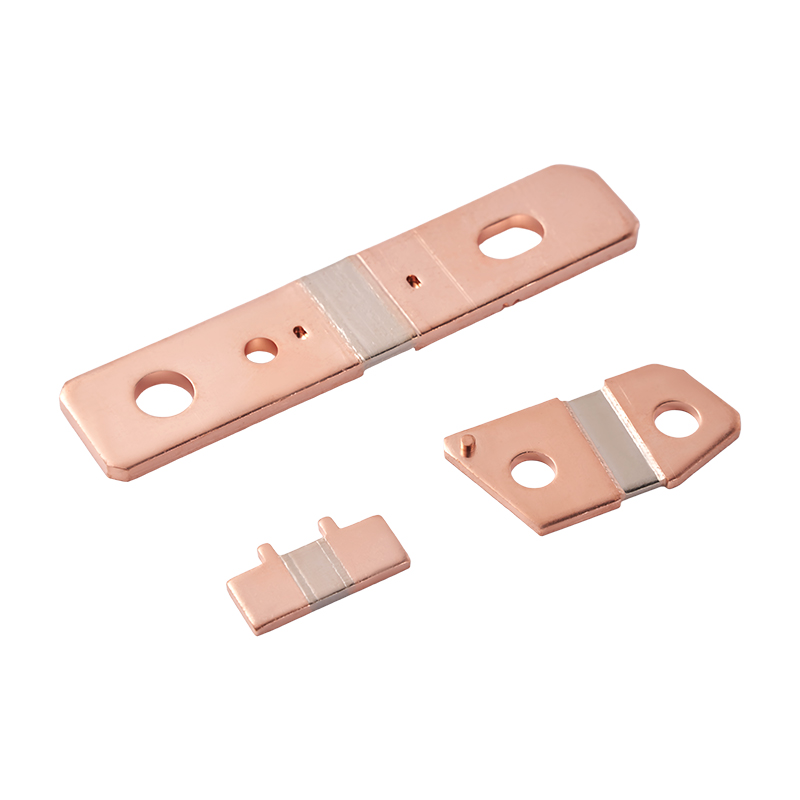
Tin-Plated Brass Stud Terminal is a precision electrical connection component designed for secure cable termination, power distribution, and reliable current transmission. Manufactured from high-quality brass and protected with a tin-plated surface, the terminal combines the electrical conductivity and mechanical strength of brass with the corrosion resistance, oxidation resistance, and solderability advantages of tin.
As electrical equipment becomes more compact, energy systems become more powerful, and connection reliability becomes increasingly important, terminal components must meet demanding requirements for dimensional accuracy, electrical performance, mechanical stability, and long-term durability. A terminal that is difficult to assemble, vulnerable to corrosion, or inconsistent in size can cause increased contact resistance, installation problems, equipment downtime, and premature failure.
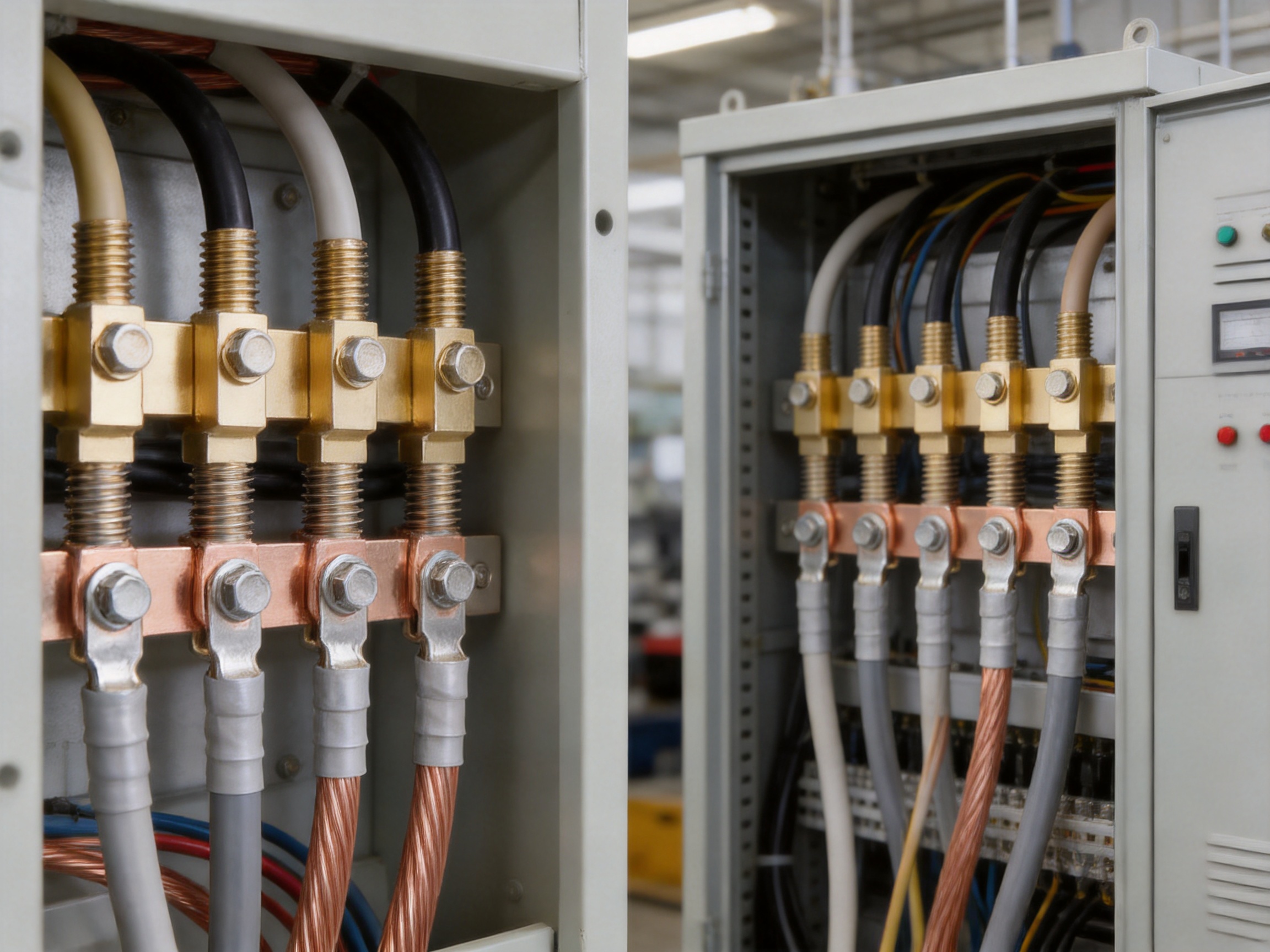
The Tin-Plated Brass Stud Terminal is developed to address these challenges. Its locking stud structure supports firm fastening, while its accurately manufactured contact surfaces help maintain stable electrical performance. The product is suitable for distribution boxes, industrial control cabinets, EV charging piles, energy storage systems, smart home electrical equipment, power distribution systems, relay assemblies, meters, and a wide range of electrical and electronic products.
Produced by Zhejiang Taoyang Electronics Co., Ltd., the terminal benefits from automated stamping, electroplating, inspection, tooling development, and customized production capabilities. The company supports OEM and ODM requirements, including customized stud dimensions, hole locations, structural designs, tin plating specifications, packaging, and testing documentation.
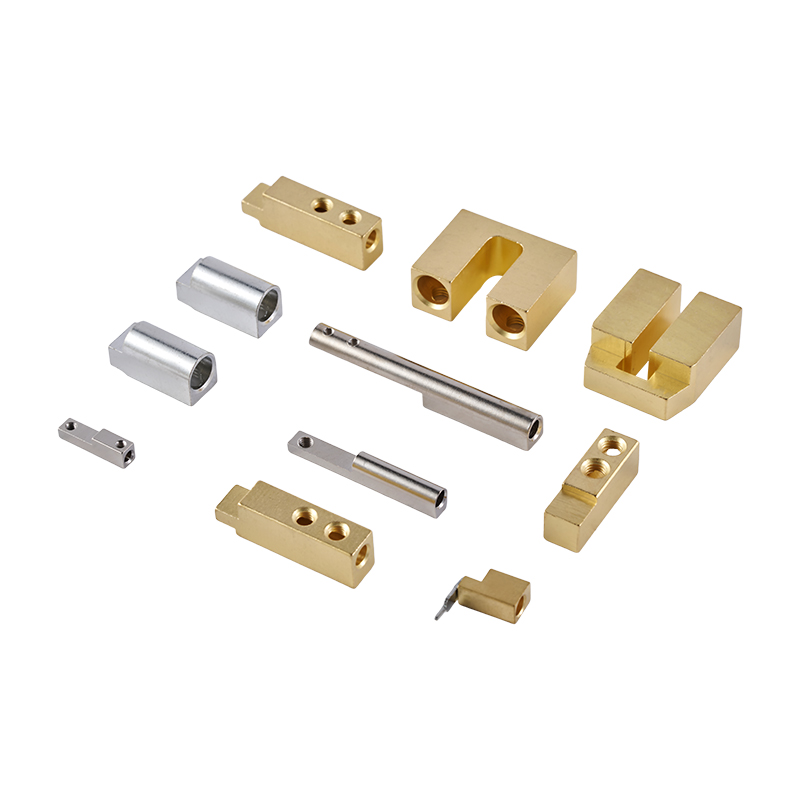
Tin-Plated Brass Stud Terminal
A Tin-Plated Brass Stud Terminal is a conductive metal component used to create a secure connection between wires, cables, busbars, electrical modules, and other current-carrying parts. The terminal is formed from brass, a copper-based alloy known for its excellent electrical conductivity, good machinability, strength, and resistance to deformation. A layer of tin is then applied to the surface through an electroplating process.
The stud structure provides a fastening point for a cable lug, wire terminal, busbar, or other conductive component. When assembled with a nut, washer, screw, or compatible fastening element, the stud helps maintain pressure at the electrical contact interface. This mechanical stability is important because changes in contact pressure can influence contact resistance, heating, vibration resistance, and long-term connection reliability.
The brass base acts as the main conductive and structural body of the terminal. Brass is commonly selected for electrical hardware because it offers a balanced combination of conductivity, strength, forming performance, and cost efficiency. Compared with some softer copper components, brass can provide improved mechanical stability in fastening applications. Compared with nonconductive or lower-conductivity materials, it provides a dependable path for current transmission.
The tin-plated surface performs several functions. It helps protect the brass substrate from oxidation and environmental corrosion, provides a compatible contact surface for many electrical assemblies, and supports improved solderability when soldering is part of the production or installation process. The finish also creates a consistent surface appearance and can





 English
 русский
 Français
 日本語
 Español
 Deutsch
 عربى
 Indonesia
 +86-18257772883