
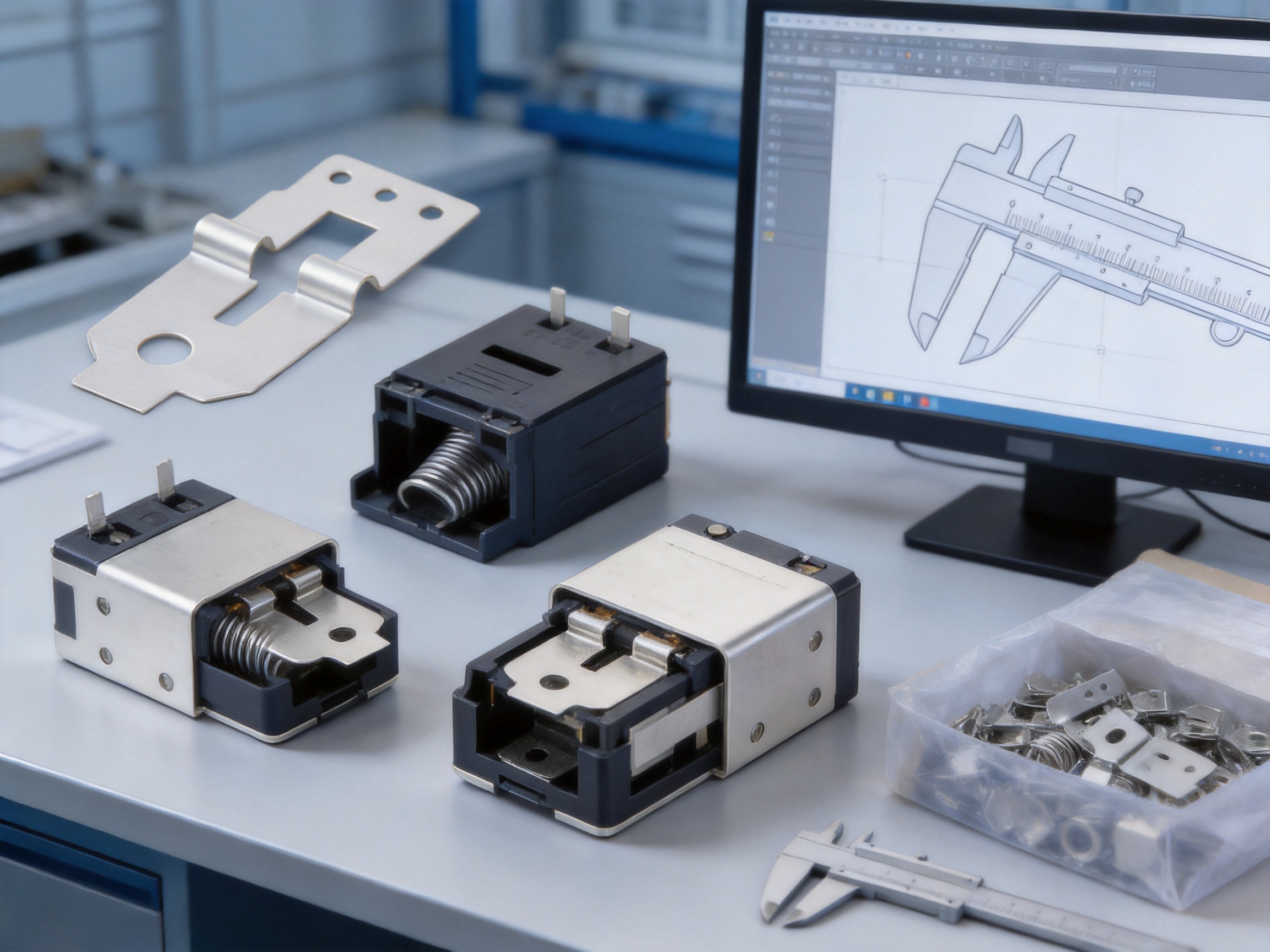
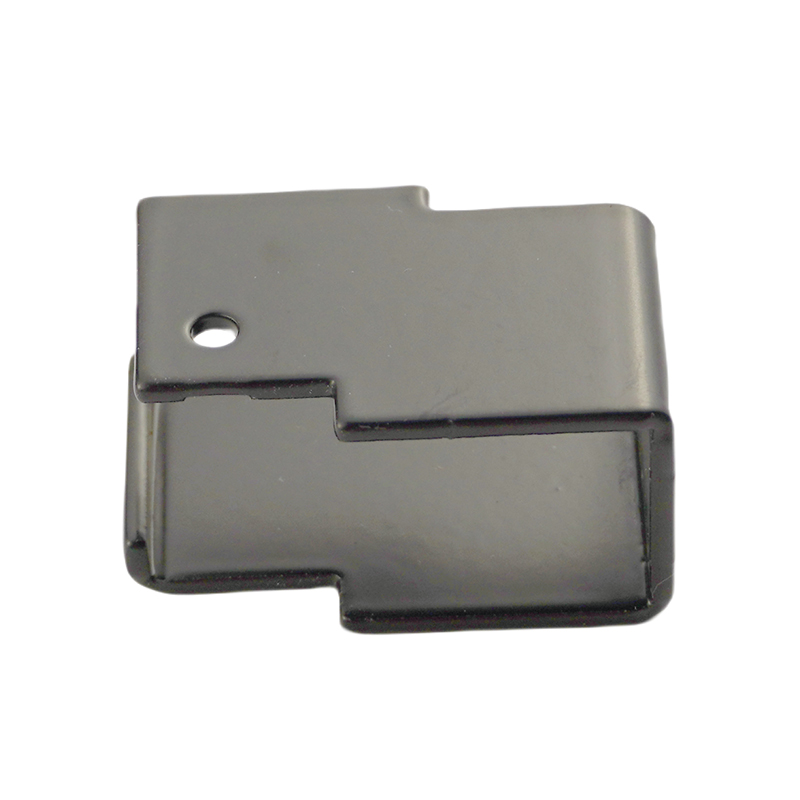
A stainless steel spring plate is a compact but highly functional component used to provide elastic force, electrical contact, mechanical support, positioning, or pressure compensation inside an assembly. Although its dimensions may be small, its influence on the reliability of the finished product can be significant. A spring plate that loses its elasticity, changes shape, corrodes, or fails to meet dimensional requirements may affect the performance of an entire relay, connector, switch, terminal, meter, appliance, or energy storage system.
Modern industrial equipment requires spring components that can withstand repeated deformation while maintaining stable mechanical and electrical performance. This requirement is especially important in electrical and electronic applications, where components may be exposed to vibration, temperature changes, humidity, current loads, and frequent switching cycles. Stainless steel is widely selected for these applications because it combines strength, elasticity, durability, and corrosion resistance in a thin and formable material.
The stainless steel spring plate described in this article is manufactured through high-speed stamping, precision deburring, surface passivation, automated inspection, and other supporting processes. These production methods allow the component to be manufactured in large quantities with consistent dimensions and repeatable performance. The product can also be customized according to customer drawings, samples, material requirements, spring structures, surface treatment specifications, and packaging needs.
Produced by Zhejiang Taoyang Electronics Co., Ltd., the stainless steel spring plate is positioned as a precision relay spring part and a versatile hardware component for electrical connectors, industrial switches, energy storage terminals, security equipment, small home appliances, and other precision assemblies. Its manufacturing capabilities also support deep drawing, laser cutting, CNC punching, bending, welding, threading, tapping, riveting, and related metalworking operations.
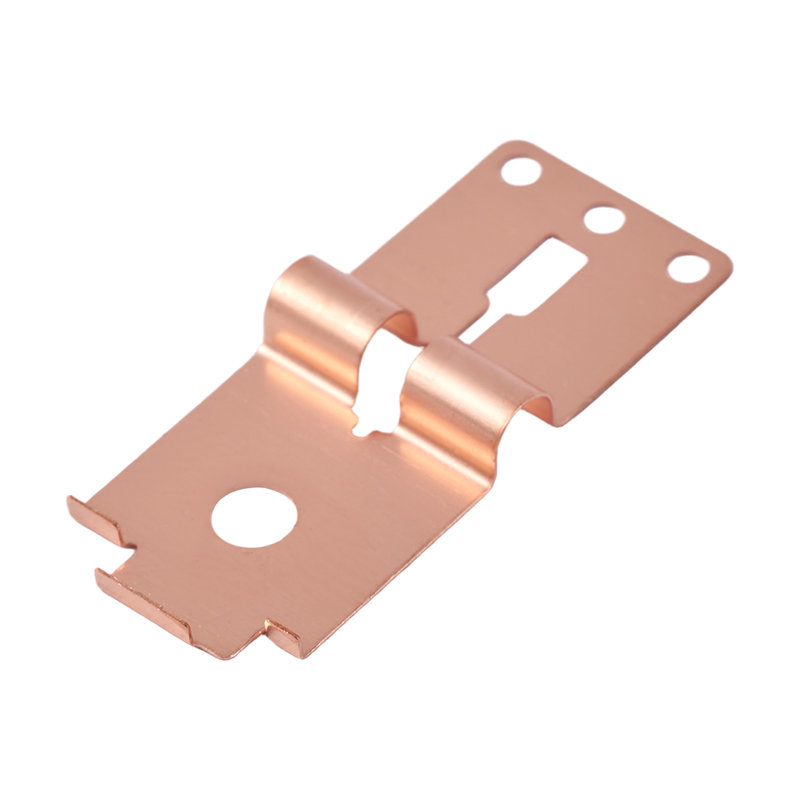
A stainless steel spring plate is a thin, shaped metal component designed to flex, press, hold, separate, connect, or return to a specified position when a load is applied. Unlike a simple flat washer or rigid metal bracket, the spring plate is designed around controlled elasticity. Its geometry, thickness, material grade, bends, openings, contact areas, and surface finish all influence its final performance.
In a relay, for example, a spring plate may support a moving contact, maintain pressure between conductive elements, or assist with the return movement of a mechanism. In an electrical connector, it may provide contact force and compensate for small assembly variations. In an energy storage terminal, it may help maintain a stable connection while accommodating vibration or thermal expansion. In a small appliance or security device, it may provide positioning force, grounding support, or mechanical retention.
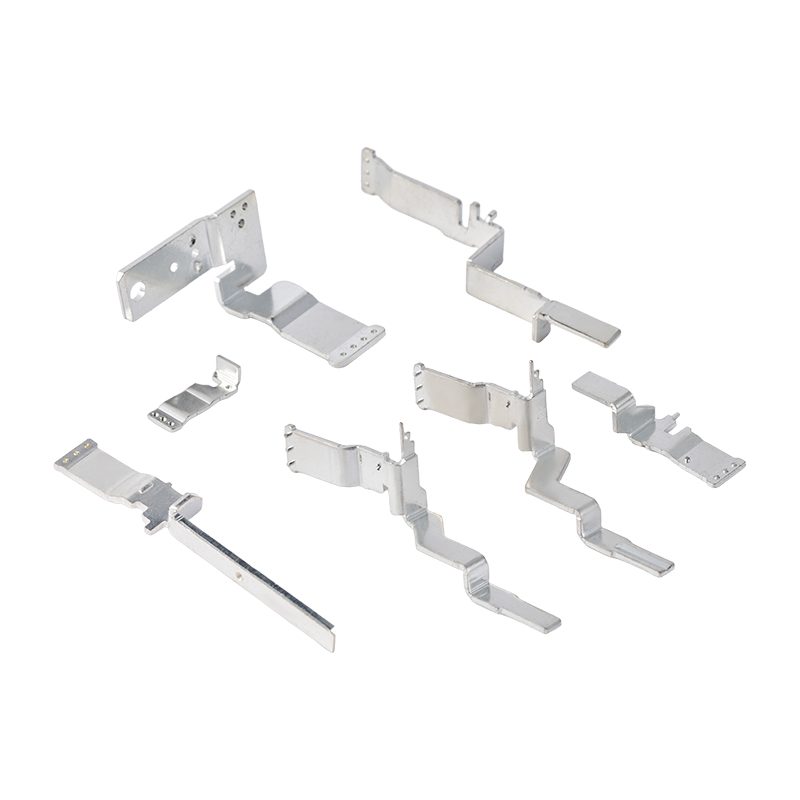
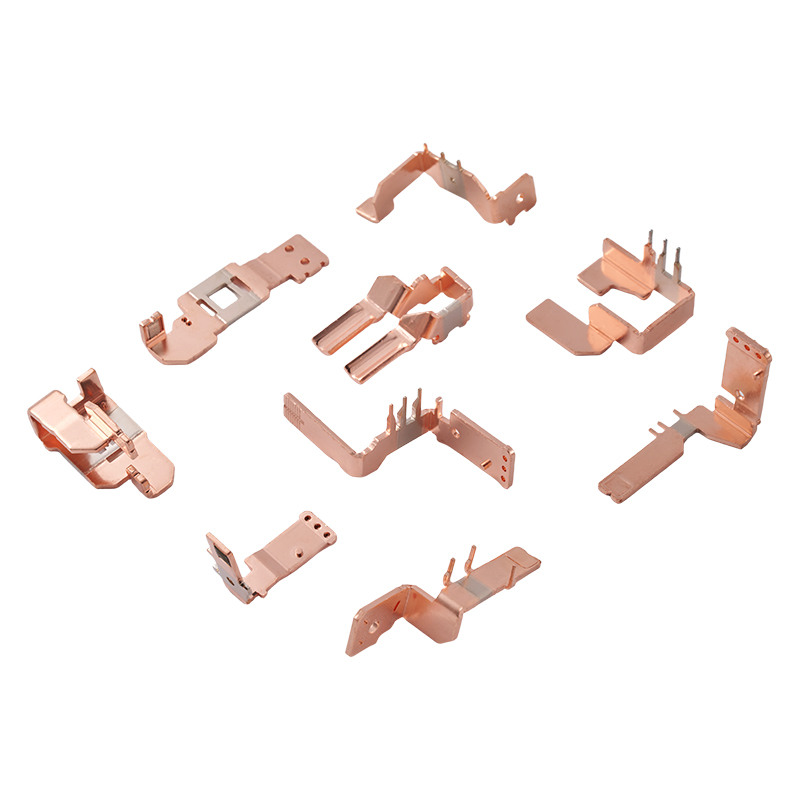
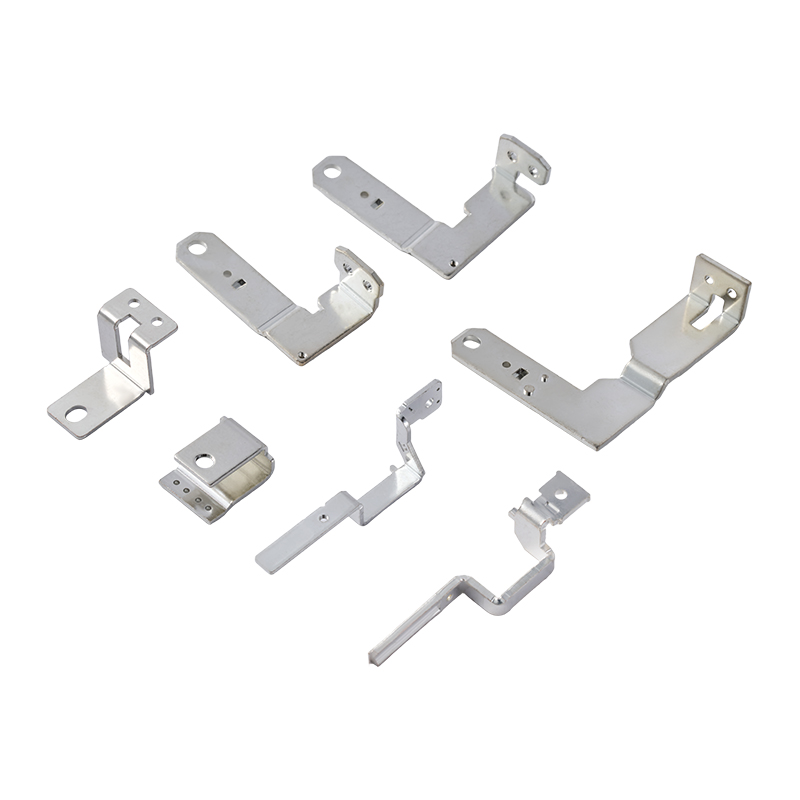
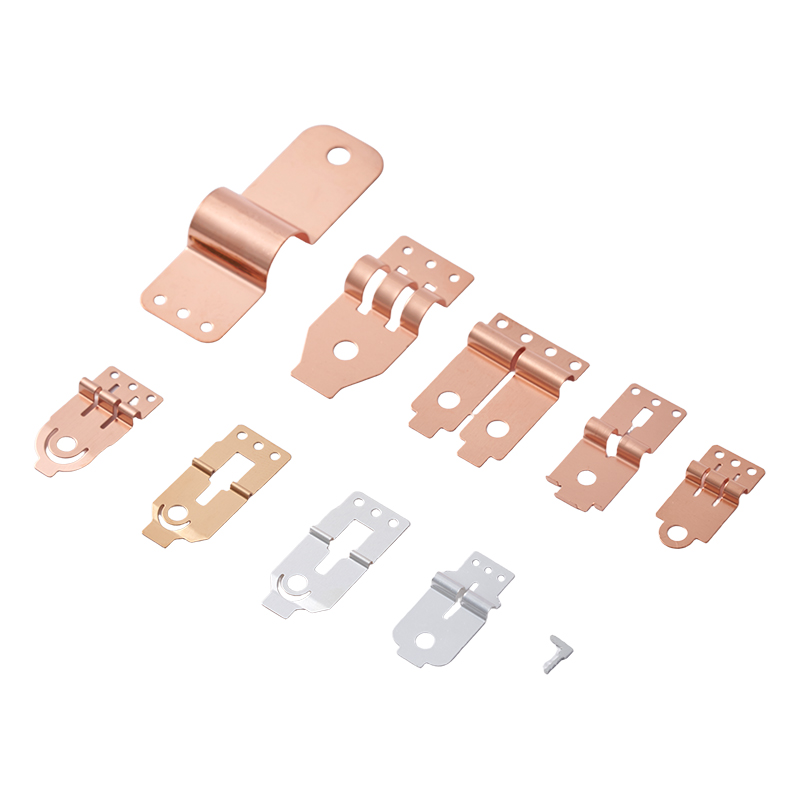
The product can be designed as a flat spring, formed spring plate, contact spring, support spring, grounding spring, terminal spring, or other customized elastic hardware part. Its final design depends on the application requirements. Important considerations include the available installation space, required spring force, working stroke, cycle life, operating temperature, corrosion exposure, electrical conductivity, and assembly method.
Because spring plates are often installed inside compact products, dimensional accuracy is essential. A small deviation in width, thickness, bend angle, hole location, or overall profile may change the contact force or prevent the component from fitting correctly. For this reason, precision stamping and full-process inspection are central to the production of reliable stainless steel spring plates.
The primary function of a spring plate is to provide controlled elastic movement. High-quality stainless steel offers a useful combination of strength and resilience, allowing the component to deform within its working range and return toward its original shape. This supports reliable operation in products that are opened, closed, switched, connected, disconnected, pressed, or adjusted repeatedly.
Stable elasticity is especially valuable in relay and switch assemblies. If a spring component becomes permanently deformed after repeated operation, the contact force may decrease and the electrical connection may become unstable. A properly designed and accurately manufactured stainless steel spring plate helps maintain consistent force throughout the expected service life of the product.
The spring behavior depends on material selection and geometry. Thickness, width, free length, bend radius, formed angle, and working deflection must be considered together. Taoyang supports customized thickness, dimensions, and spring plate structures so that the component can be matched to a specific mechanical requirement rather than selected as a generic part.
The stated manufacturing tolerance for the product is ±0.01 mm. This level of dimensional control helps improve assembly consistency, particularly when the spring plate is installed in a compact relay, connector, terminal block, meter, or electronic mechanism.
Dimensional accuracy can affect more than simple fit. It can influence the contact position, spring force, electrical resistance, insulation clearance, insertion force, release force, and alignment with neighboring components. Accurate stamping tools, controlled material feeding, stable press operation, precision deburring, and inspection systems all contribute to maintaining the required dimensions.
Consistent dimensions also simplify the customer’s production process. When incoming components remain within specification, customers can reduce manual adjustment, minimize assembly interruptions, and improve the repeatability of automated production lines. Stable component dimensions are particularly important for high-volume OEM and ODM projects.
Stainless steel naturally provides good resistance to oxidation and corrosion compared with many ordinary carbon steel materials. The product also receives surface passivation treatment, which helps improve surface protection and supports reliable performance in demanding operating environments.
Corrosion resistance is important for spring plates used in electrical equipment because corrosion can increase contact resistance, weaken thin sections, change surface dimensions, and reduce the service life of the component. In humid environments, outdoor equipment, industrial control products, security systems, and energy storage equipment, resistance to environmental exposure is often a major design consideration.
Passivation removes free iron and helps create a more stable protective surface on stainless steel. The appropriate treatment depends on the material, application, cleanliness requirements, and customer specifications. Additional finishing options may also be considered where the application requires a special appearance, conductivity, wear property, or protective layer.
A spring plate must withstand mechanical force without cracking, tearing, or losing its designed shape. Stainless steel provides a strong base material for thin stamped components. When the material grade, thickness, grain direction, forming radius, and stamping parameters are properly controlled, the spring plate can provide a strong and durable solution for demanding assemblies.
High mechanical strength is useful in applications exposed to vibration, repeated actuation, insertion and removal cycles, or continuous contact pressure. The component can also support mechanical retention and positioning where a rigid fastener would require more space or additional hardware.
Taoyang’s production capability includes precision stamping and related forming processes, allowing the spring plate structure to be developed around the required load and installation conditions. For more complex shapes, the company can combine stamping with bending, deep drawing, welding, riveting, or other secondary operations.
For industrial customers, the performance of one prototype is not enough. The production batch must also remain consistent. Automated stamping, controlled surface treatment, process inspection, and final quality control help reduce variation between individual pieces and between different production lots.
Taoyang provides 100% QC inspection before delivery according to the supplied product information. Full inspection can help verify key dimensions, visible defects, burr conditions, surface quality, and other agreed requirements. Inspection records and complete reports can also support customer incoming inspection and project documentation.
Consistent production quality is one of the most important differences between a precision component manufacturer and a general metalworking supplier. A spring plate may appear simple, but reliable performance depends on stable tooling, trained operators, controlled processes, appropriate inspection equipment, and effective quality management.
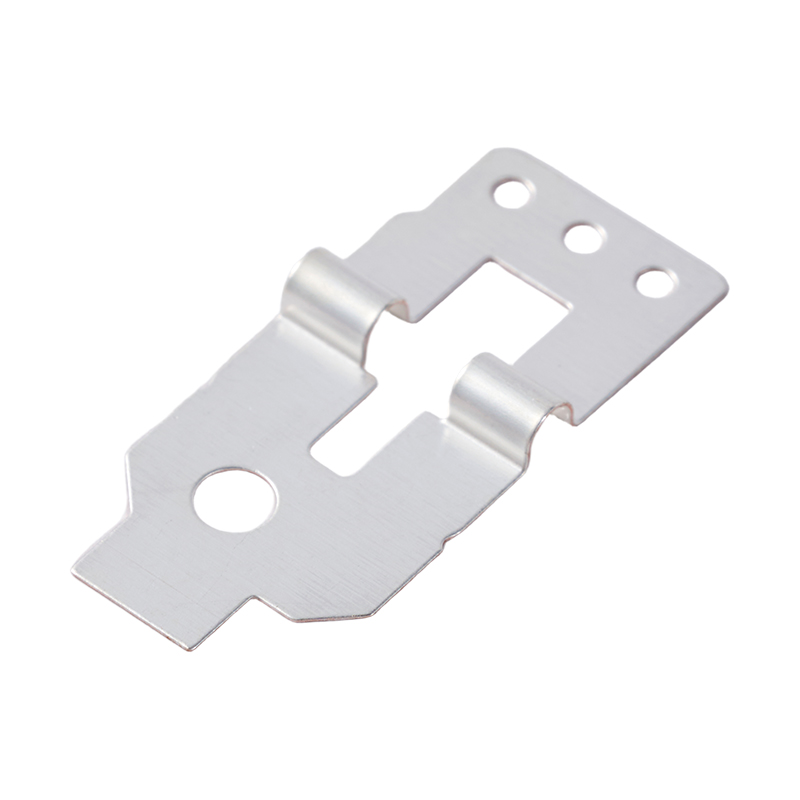
Stainless Steel Spring Plate
Material selection is the first stage in developing a suitable stainless steel spring plate. The material must meet the mechanical, dimensional, environmental, and sometimes electrical requirements of the finished product. Factors may include tensile strength, yield behavior, hardness, fatigue resistance, corrosion resistance, formability, surface condition, and compatibility with other metals in the assembly.
Different customers may require different stainless steel grades or material conditions. The preferred option depends on the application and design specifications. Taoyang supports customized material selection, enabling the supplier and customer to evaluate the most appropriate material instead of relying on a single standard option for every project.
Material thickness is equally important. A thicker spring plate may provide greater rigidity and load capacity, while a thinner plate may be suitable for compact assemblies requiring lower force or greater flexibility. The final selection should be based on the working stroke, spring force, installation space, fatigue expectations, and manufacturing feasibility.
Precision tooling is essential for producing stamped spring plates with stable dimensions and repeatable shapes. The die must be designed according to the material thickness, blank layout, hole positions, bends, forming areas, burr direction, and production volume.
Taoyang is recognized for advanced mold and tooling design. A well-designed tool can improve production efficiency, reduce material waste, control deformation, and maintain consistent part geometry during mass production. Tool design also affects the quality of edges and formed areas, which are important for spring plates that may contact other components or be handled during assembly.
For complex products, progressive dies or multiple-stage operations may be used. A progressive stamping process can integrate blanking, piercing, forming, bending, and other steps into a controlled sequence. The specific method is selected according to the part structure, material, output requirement, and tolerance specification.
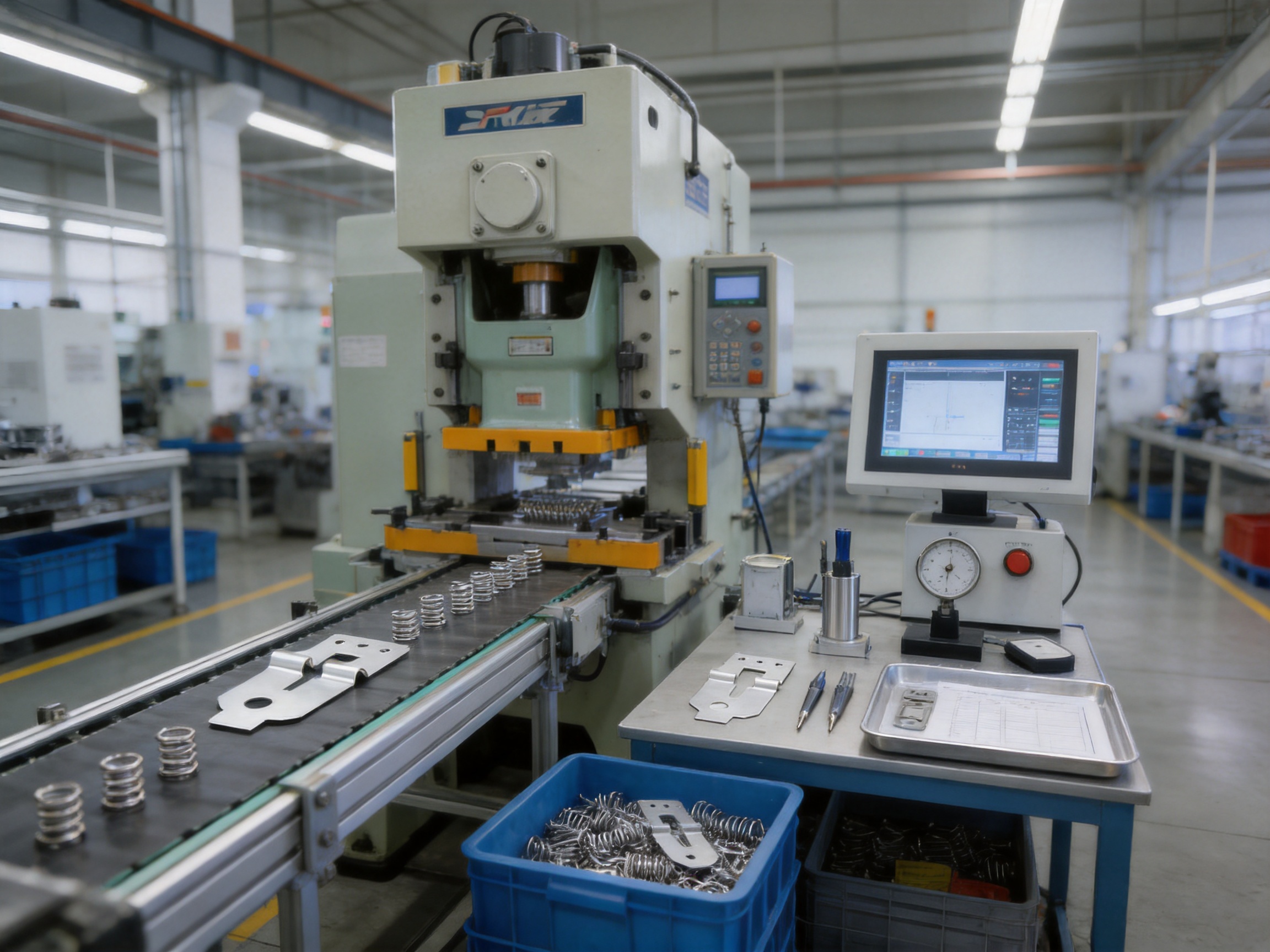
High-speed stamping is the principal manufacturing process listed for this stainless steel spring plate. It is suitable for producing large quantities of thin metal components with efficient cycle times and repeatable accuracy.
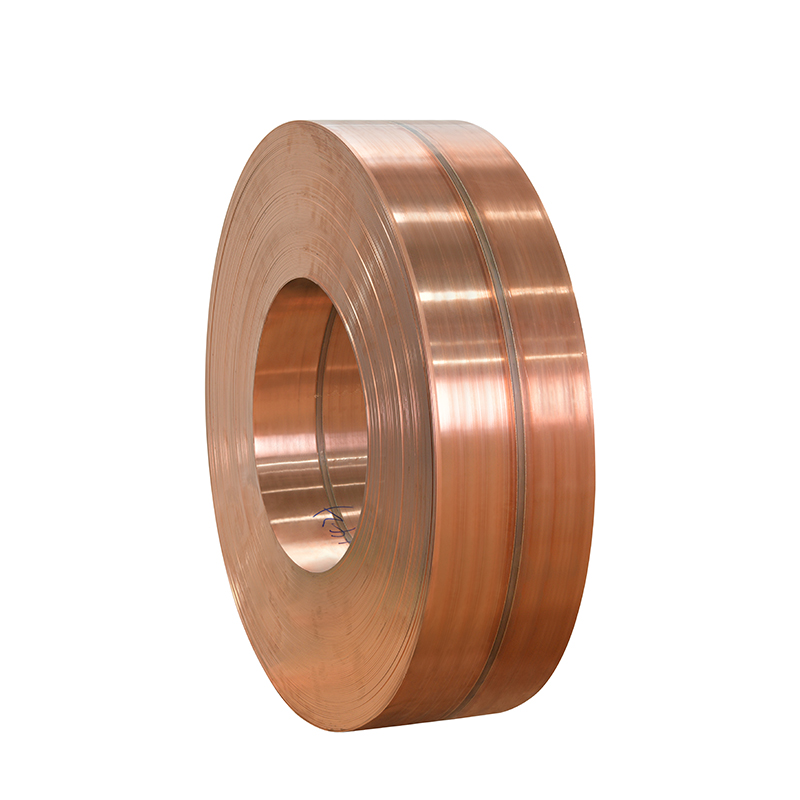
During stamping, a sheet or coil of stainless steel is fed into the press and formed by a precision die. Depending on the product design, the operation may include blanking, piercing, shaping, bending, embossing, or forming. The press speed, feeding accuracy, die clearance, lubrication, material condition, and inspection controls must be coordinated to prevent defects.
High-speed stamping offers several advantages over slower manual fabrication methods. It improves production efficiency, reduces variation, supports high-volume orders, and helps maintain a repeatable part profile. It also makes it possible to produce small and intricate components economically when the tooling has been properly developed.
Stamping can create small burrs or sharp edges, particularly around pierced holes and cut profiles. Precision deburring removes unwanted material and improves the safety, appearance, and assembly behavior of the spring plate.
Deburring is important when the component is installed near insulation, wiring, contact surfaces, sealing elements, or moving mechanisms. Excessive burrs may damage adjacent components, interfere with assembly, create an electrical clearance concern, or cause handling injuries. Controlled edge treatment helps ensure that the finished product meets the customer’s requirements without removing too much material from functional areas.
The deburring method depends on the product geometry, material thickness, tolerance, and surface requirements. Precision processing is particularly important for small spring plates because an aggressive method may distort the component or reduce its effective thickness.
After stamping and deburring, surface passivation can be applied to improve the corrosion resistance of the stainless steel. Passivation is a chemical treatment that supports the formation of a stable protective oxide layer on the metal surface.
A controlled passivation process must be compatible with the selected stainless steel material and the customer’s cleanliness requirements. The component may require cleaning before and after treatment to remove processing residues and ensure a suitable finished surface.
For applications requiring other properties, additional surface treatment options may be evaluated. The available processing list includes polishing, anodizing, powder coating, plating, brushing, silkscreen printing, sandblasting, painting, zinc plating, nickel plating, hot-dip galvanizing, and acid pickling. The suitability of each treatment depends on the base material, product function, environmental conditions, and technical specification.
Inspection is integrated into the manufacturing process rather than being limited to the final shipping stage. Process control can identify dimensional drift, tooling wear, forming abnormalities, surface damage, burrs, or other issues before they affect a large quantity of products.
Final inspection may cover dimensions, thickness, profile, hole location, bend angle, surface condition, burr status, and packaging condition. For projects with specific technical requirements, additional checks may be defined in the customer’s drawings or quality agreement.
The product information specifies 100% QC inspection before delivery. This approach supports stable batch quality and helps ensure that nonconforming parts are identified before shipment. Complete inspection reports may also be provided for OEM and ODM projects where traceability and formal documentation are required.
Electrical connectors often require spring elements to maintain contact pressure between conductive surfaces. A stainless steel spring plate can help compensate for small dimensional variations and maintain a stable connection during vibration, thermal changes, and repeated insertion or movement.
The shape of the spring plate can be customized to fit a connector housing or terminal structure. Depending on the design, it may function as a contact support, retention element, grounding spring, shielding component, or mechanical pressure piece. Accurate dimensions are essential because the component must fit within a limited space while providing the required force.
Industrial switches may operate for thousands or millions of cycles, depending on their design and application. A spring plate can support switching movement, contact return, pressure maintenance, or positioning. Stable elastic performance helps the switch maintain predictable operation over repeated use.
Industrial environments may involve dust, humidity, vibration, temperature variation, and chemical exposure. Stainless steel and passivation provide a practical material and surface combination for applications where corrosion resistance is important. The design can be adapted to the switch structure and required actuation behavior.
Relays depend on precise mechanical movement and stable electrical contact. Spring parts may influence contact pressure, armature return, separation, or positioning. A small change in the spring structure can affect relay performance, making material control and dimensional accuracy especially important.
As a relay spring part, the stainless steel spring plate can be produced from customer drawings or samples. The supplier can support customized spring plate structures, thicknesses, dimensions, and finishing processes to match the relay’s internal design.
Energy storage systems require reliable electrical connections that can tolerate vibration, thermal expansion, assembly stress, and long operating periods. Spring plates may be used in terminals, busbar-related assemblies, contact supports, protective structures, or connection mechanisms.
In these applications, corrosion resistance and stable contact force are important because changes in the connection can increase resistance and heat generation. The suitable spring design depends on the current level, terminal configuration, enclosure, operating environment, and required service life.
Security devices often contain compact electrical and mechanical assemblies. Spring plates can be used in access control systems, alarm equipment, sensors, monitoring devices, locks, and other security products. They may provide contact pressure, battery connection, grounding, switch return, or component retention.
Because security products are expected to operate reliably for long periods, the spring component must maintain its function without excessive corrosion or fatigue. Consistent production quality is particularly valuable when the product is installed in large numbers across buildings or facilities.
Small home appliances frequently include compact switches, terminals, battery contacts, control mechanisms, and grounding structures. A stainless steel spring plate can provide a cost-effective and space-saving solution for these internal functions.
Appliance components may be exposed to heat, humidity, cleaning agents, vibration, and repeated user operation. The final material, surface treatment, and spring design should be selected according to the appliance’s operating conditions and applicable product requirements.
Automotive and new energy equipment requires components that can withstand demanding conditions. Spring plates may be used in electrical modules, connector systems, battery-related assemblies, sensor mechanisms, control units, and other hardware structures.
Applications in these industries often require strict process control, traceability, and repeatable quality. Zhejiang Taoyang Electronics Co., Ltd. has experience serving automotive parts, new energy, energy storage, electronics, and electrical equipment industries. Its IATF 16949 certification is relevant to automotive quality management requirements, while ISO 9001 supports broader quality system control.
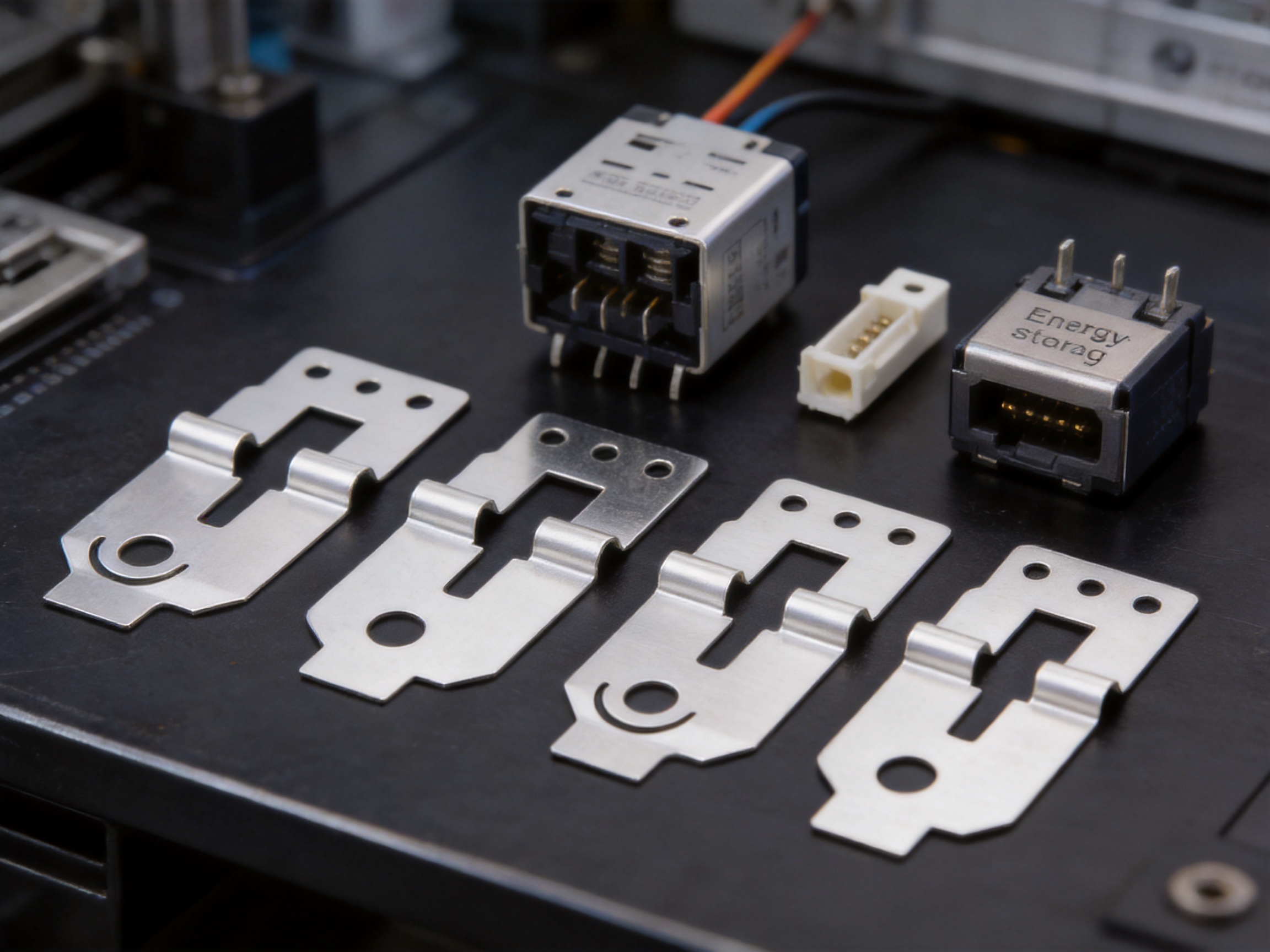
Standard catalog components may not meet every customer’s installation space, spring force, material, or connection requirements. For this reason, customized production is an important part of the stainless steel spring plate service.
Customers can provide drawings, physical samples, CAD files, technical specifications, or application information. Available drawing formats include 3D, CAD, DWG, IGS, and STP. The engineering team can review the design for manufacturability, tooling feasibility, forming requirements, inspection points, and production efficiency.
The material can be selected according to elasticity, corrosion resistance, strength, formability, conductivity, temperature, and environmental requirements. Where necessary, the customer and manufacturer can review the expected load, working stroke, fatigue conditions, and surface exposure before confirming the material.
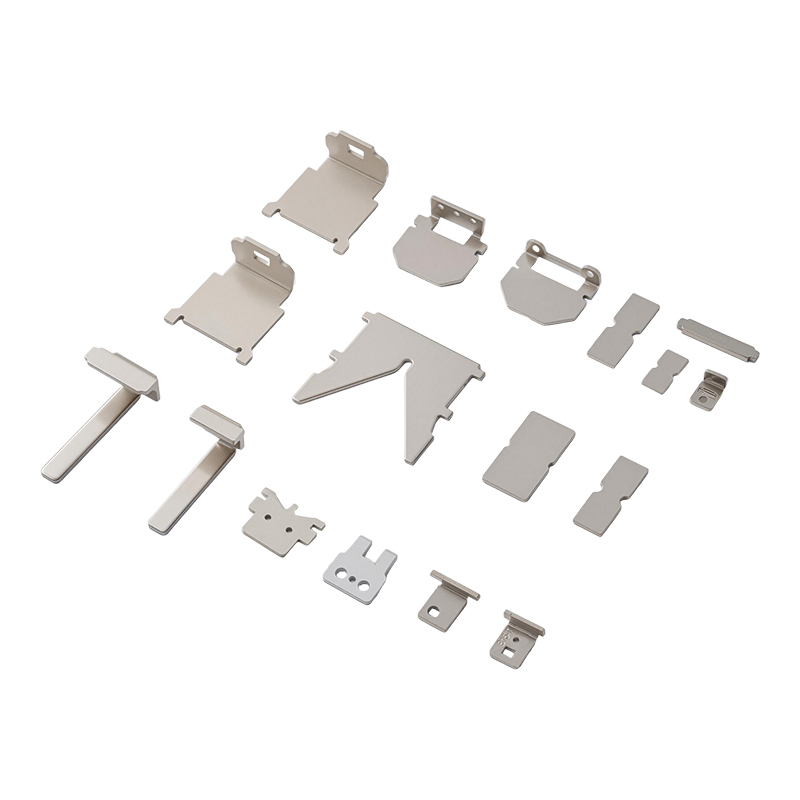
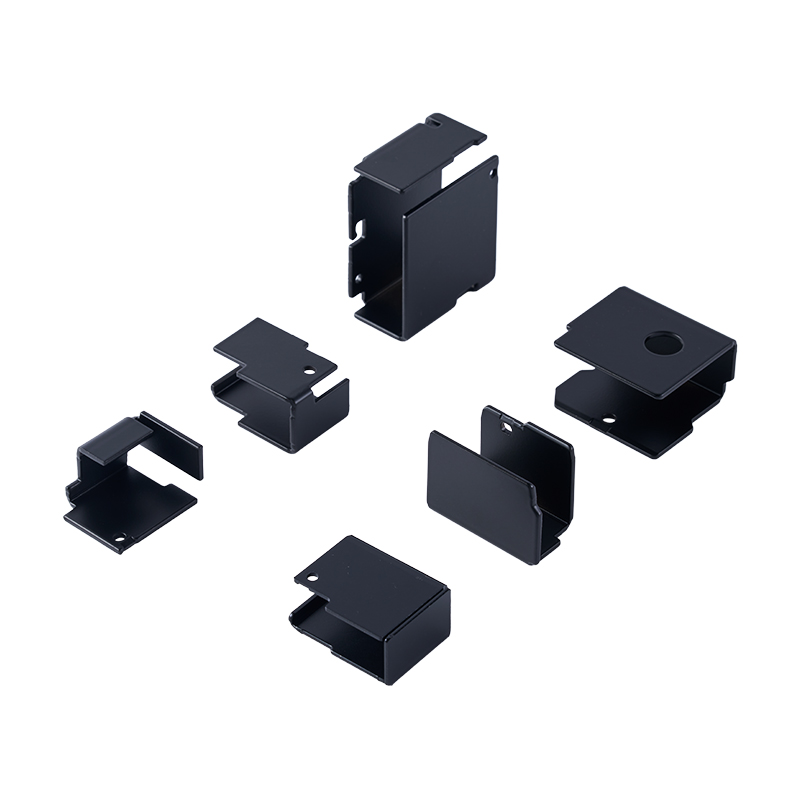
Spring plates can be produced with customized length, width, thickness, hole pattern, bend angle, formed profile, and installation features. Adjusting these dimensions allows the component to fit a specific housing or assembly while delivering the desired mechanical function.
The spring structure can be developed as a flat plate, formed contact spring, bent support, grounding spring, retaining spring, or other geometry. The design should consider force direction, maximum deflection, working travel, stress concentration, and available clearance.
Surface finishing can be selected according to corrosion protection, appearance, conductivity, friction, wear resistance, cleanliness, or customer specifications. Passivation is suitable for improving the corrosion resistance of stainless steel, while other listed treatments may be considered for different base materials or functional requirements.
OEM manufacturing is available based on customer drawings or samples. ODM support can include assistance with product optimization, structural improvements, tooling development, material selection, and production planning.
For customers developing a new product, early cooperation with the manufacturer can help identify potential issues before tooling is completed. Examples include insufficient bend radius, excessive stress concentration, difficult deburring areas, unsuitable material thickness, or an inspection method that cannot reliably verify the critical feature.
Packaging can be customized for bulk orders. Appropriate packaging helps prevent deformation, scratching, contamination, mixing of different part numbers, and damage during transportation. Packaging specifications may include quantity per bag, tray design, protective separators, labels, batch identification, and outer carton requirements.
The selection of a spring component should be based on application requirements rather than price alone. A low-cost part that does not maintain force or fit may create higher costs through assembly interruptions, field failures, or replacement work.
Evaluation Factor | Stainless Steel Spring Plate | Ordinary Carbon Steel Spring Plate | Plastic Elastic Part |
Corrosion Resistance | Generally high, especially with suitable passivation | May require additional protection against corrosion | Depends strongly on polymer type and environment |
Mechanical Strength | Suitable for thin, high-strength precision components | Can be high, but surface protection may be necessary | Usually lower than metal for compact load-bearing designs |
Temperature Stability | Suitable for many demanding industrial applications | Generally suitable, depending on treatment and grade | May soften or become brittle outside the material’s temperature range |
Dimensional Repeatability | High when produced with precision stamping and inspection | Can be high with controlled production | May be affected by molding shrinkage and temperature |
Electrical Function | Can support grounding, shielding, and mechanical contact functions | May require plating for specific electrical requirements | Normally electrically insulating unless specially modified |
Compared with ordinary carbon steel, stainless steel can provide better inherent corrosion resistance and may reduce dependence on protective coatings. Compared with plastic elastic components, stainless steel generally offers higher mechanical strength, better resistance to permanent deformation in many applications, and the ability to support certain grounding or shielding functions.
However, the best solution depends on the product design. Stainless steel is not automatically the correct material for every situation. The customer should evaluate conductivity, magnetic behavior, spring force, environmental conditions, cost targets, and assembly requirements. The advantage of a professional supplier is the ability to review these factors and recommend a practical customized structure.
Zhejiang Taoyang Electronics Co., Ltd. was founded in 2010 and specializes in hardware supporting products and solutions for electronic and electrical products, relays, current transformers, electricity meters, new energy, energy storage, and automotive applications.
The company combines product development, mold and tooling design, stamping, secondary processing, surface treatment, inspection, and customer support. This integrated capability allows the production process to be managed across multiple stages instead of relying entirely on unrelated subcontractors.
Taoyang emphasizes process control and has obtained ISO 9001, ISO 45001, ISO 14001, and IATF 16949 certifications. Its products have also passed relevant RoHS and REACH tests. These certifications and compliance results support customers that require documented management systems, environmental controls, occupational safety practices, automotive quality procedures, and restricted-substance compliance.
The company is also recognized as a Technology-based SME and a National High-tech Enterprise. Its stated capabilities include independently developed core technologies, advanced tooling design, sufficient manufacturing capacity, strict in-process quality control, and rapid after-sales service.
With products serving more than 100 leading customers in China and overseas, the company has experience supporting industries with demanding requirements. This background is valuable for spring plate projects because such products often require more than basic stamping. They require careful interpretation of drawings, material control, tooling accuracy, surface treatment, inspection, packaging, and delivery planning.
Item | Specification or Detail |
Product Name | Stainless Steel Spring Plate |
Product Category | Relay Spring Parts and Precision Hardware Components |
Dimensional Tolerance | ±0.01 mm |
Main Manufacturing Process | High-speed stamping, precision deburring, and surface passivation |
Available Processing | Stamping, deep drawing, laser cutting, bending, CNC punching, threading, welding, tapping, and riveting |
Surface Treatment Options | Polishing, anodizing, powder coating, plating, brushing, silkscreen printing, sandblasting, painting, zinc plating, nickel plating, hot-dip galvanizing, and acid pickling |
Drawing Formats | 3D, CAD, DWG, IGS, and STP |
Inspection | 100% QC inspection before delivery |
Minimum Order Quantity | 1,000 pieces |
Regular Lead Time | 6–8 weeks |
Custom Product Lead Time | Approximately 5–9 weeks after receipt of payment, depending on project requirements |
Trade Terms | EXW or CIF |
Sample Policy | Stock samples are available; OEM and ODM samples can be produced from drawings or physical samples |
OEM and ODM | Custom products and customized packaging are available |
Lead time can vary according to part complexity, material availability, tooling requirements, surface treatment, inspection plans, and order quantity. For a new custom product, customers should confirm the drawing revision, material specification, critical dimensions, sample approval process, packaging method, and quality documentation before production begins.
Regular payment terms include full payment for sample orders and 100% T/T for regular orders. For bulk orders, the stated arrangement is 50% T/T advance payment with the balance paid before delivery. Final commercial terms should be confirmed with the supplier before placing an order.
Before requesting a quotation, the customer should define whether the spring plate is intended for contact pressure, return force, grounding, retention, positioning, vibration compensation, or mechanical support. Clear functional information helps the manufacturer recommend an appropriate shape and material.
Where possible, the drawing or technical specification should identify the required force, working deflection, free position, compressed position, and acceptable force range. These values are essential for evaluating whether the selected thickness and geometry will provide the required performance.
Information about humidity, temperature, chemicals, salt exposure, vibration, outdoor use, current level, and expected service life can influence material and surface treatment selection. A spring plate used in an indoor electronic device may require different protection from one used in an outdoor energy storage system.
The drawing should identify critical contact surfaces, prohibited burr directions, edge radius requirements, and areas where sharp edges are not acceptable. This is especially important if the spring plate moves against another component or is installed near insulation and wiring.
Critical dimensions should be clearly marked on the drawing. Customers may also specify inspection methods, sampling requirements, force testing, surface requirements, material certificates, or inspection reports. Clear quality requirements reduce uncertainty during mass production.
A stainless steel spring plate is used for elastic support, contact pressure, mechanical retention, positioning, grounding, return movement, and vibration compensation. Typical applications include electrical connectors, industrial switches, relay assemblies, energy storage terminals, security equipment, small home appliances, automotive components, and other precision hardware assemblies.
Stainless steel provides a combination of stable elasticity, mechanical strength, corrosion resistance, durability, and suitability for precision stamping. When the material and structure are correctly selected, it can maintain reliable performance during repeated deformation and long-term operation.
Yes. Material, thickness, dimensions, hole positions, spring structure, forming profile, surface treatment, packaging, and inspection requirements can be customized. OEM and ODM manufacturing is available based on customer drawings, CAD files, technical specifications, or physical samples.
The listed product tolerance is ±0.01 mm. The achievable tolerance for a particular feature depends on the material, thickness, geometry, tooling, process capability, and measurement method. Critical dimensions should be reviewed during the engineering and tooling stages.
The main process is high-speed stamping, followed by precision deburring and surface passivation. Additional capabilities include deep drawing, laser cutting, CNC punching, bending, threading, welding, tapping, riveting, and other precision machining or secondary operations.
Not every application requires the same surface treatment. Passivation is useful for improving the corrosion resistance of stainless steel, but the final treatment should be selected according to the material, environment, cleanliness requirements, electrical function, and customer specification.
Yes. Stock samples are available, and OEM or ODM samples can be produced based on customer drawings or physical samples. Sample approval can be used to confirm fit, appearance, dimensions, spring behavior, and assembly performance before mass production.
The product information specifies 100% QC inspection before delivery. Quality control can include dimensional inspection, surface inspection, burr inspection, process checks, and documentation according to the customer’s requirements. Complete inspection reports and technical support are available for OEM and ODM projects.
The listed minimum order quantity is 1,000 pieces. The final quantity may be discussed according to the product structure, tooling condition, material requirements, and production plan.
Regular orders generally require 6–8 weeks. Custom products are listed with an approximate lead time of 5–9 weeks after receipt of payment. Actual timing depends on tooling, material, surface treatment, approval procedures, order volume, and other project requirements.
Supported drawing formats include 3D, CAD, DWG, IGS, and STP. Customers may also provide physical samples or other technical documents for evaluation.
Yes. Customized packaging is available for bulk orders. Packaging can be planned to reduce scratching, deformation, contamination, part mixing, and transportation damage while supporting identification and batch management.
The stainless steel spring plate is a small but important precision component for electrical, electronic, mechanical, automotive, new energy, and energy storage products. Its performance depends on much more than the basic shape of a stamped metal part. Material selection, spring geometry, dimensional control, tooling accuracy, edge treatment, surface passivation, inspection, and packaging all contribute to the reliability of the finished component.
The product offers several advantages for industrial buyers, including stable elastic performance, high mechanical strength, corrosion resistance, dimensional accuracy up to the stated ±0.01 mm tolerance, and consistent production quality. Its applications range from relay spring parts and electrical connectors to industrial switches, energy storage terminals, security equipment, small appliances, and automotive assemblies.
Zhejiang Taoyang Electronics Co., Ltd. supports these requirements through high-speed stamping, precision tooling, automated production, deburring, passivation, secondary metalworking, and full-process inspection. Its certifications, technical capabilities, OEM and ODM services, and experience in electronics, relays, new energy, energy storage, automotive, and electrical equipment make it suitable for customers seeking a long-term precision hardware supplier.
For the best result, customers should provide complete information about the required material, dimensions, spring force, operating environment, surface finish, tolerance, inspection plan, and packaging. With accurate project requirements and early engineering communication, the stainless steel spring plate can be optimized for reliable assembly, stable performance, efficient mass production, and long service life.
1. Product technical information for Stainless Steel Spring Plate, including manufacturing processes, specifications, applications, customization options, and inspection requirements.
2. Company information for Zhejiang Taoyang Electronics Co., Ltd., including manufacturing capabilities, certifications, industry applications, and quality management practices.
3. General engineering principles for stamped metal components, spring design, dimensional control, deburring, and surface finishing.
4. General technical guidance on stainless steel corrosion resistance and chemical passivation treatment.
5. General quality management practices for OEM and ODM precision metal component production.





 English
 русский
 Français
 日本語
 Español
 Deutsch
 عربى
 Indonesia
 +86-18257772883