
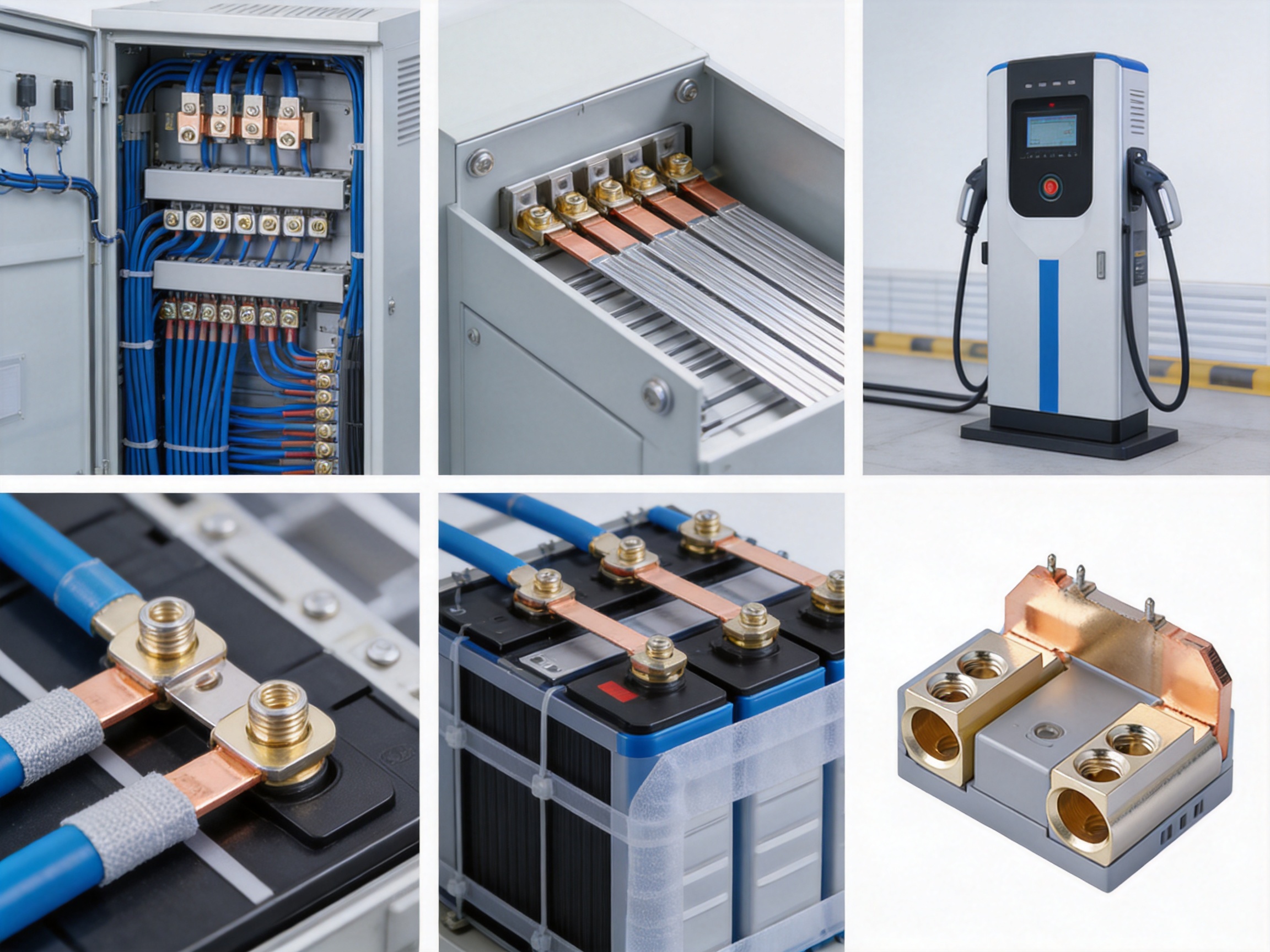
Reliable electrical connections are essential in distribution equipment, industrial control systems, electric vehicle infrastructure, energy storage devices, and modern electronic assemblies. A terminal may be small compared with the complete system, but its performance directly affects current transmission, assembly efficiency, maintenance requirements, and long-term operational safety. When a connection point is exposed to humidity, oxidation, vibration, temperature variation, or repeated installation forces, the terminal must provide more than simple mechanical contact. It must maintain stable conductivity and dependable fastening throughout its service life.
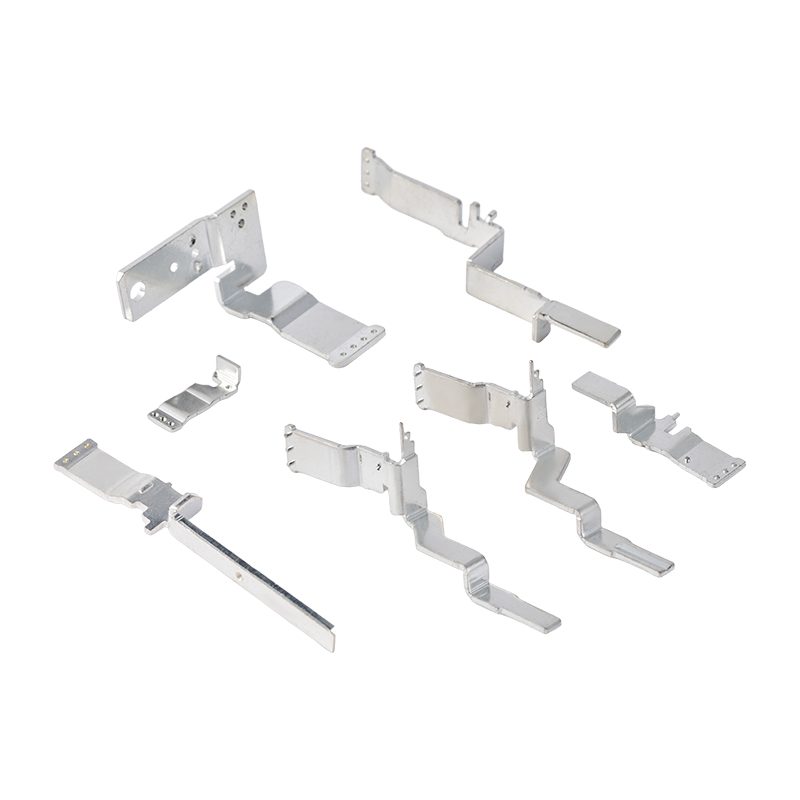
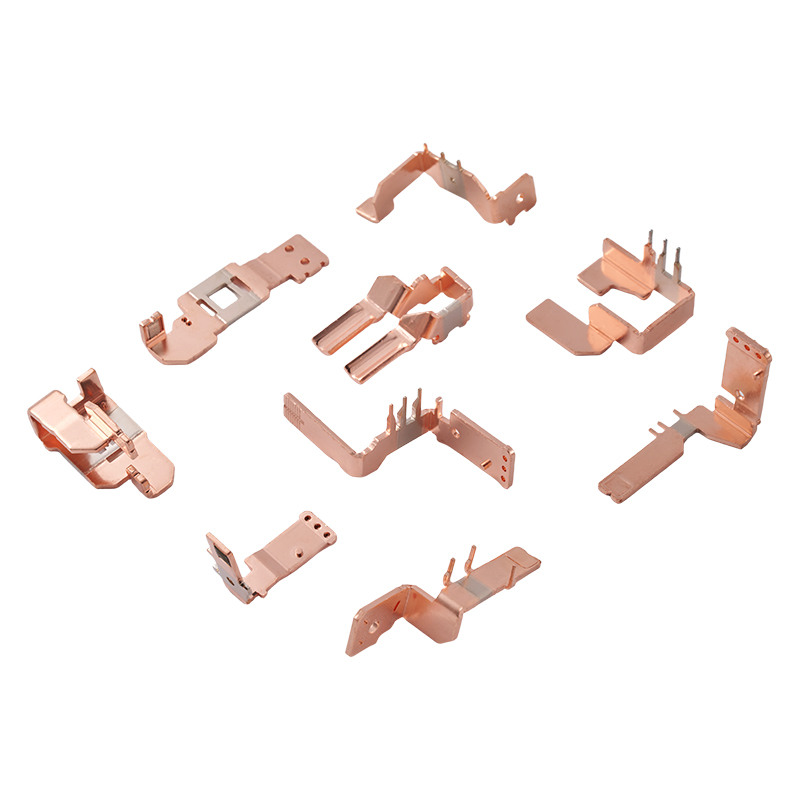
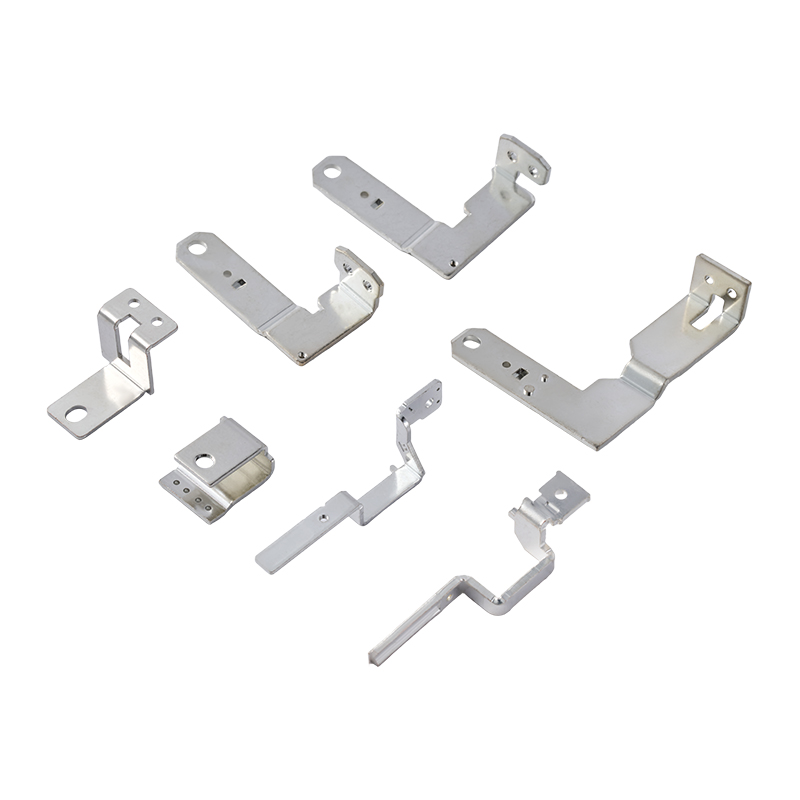
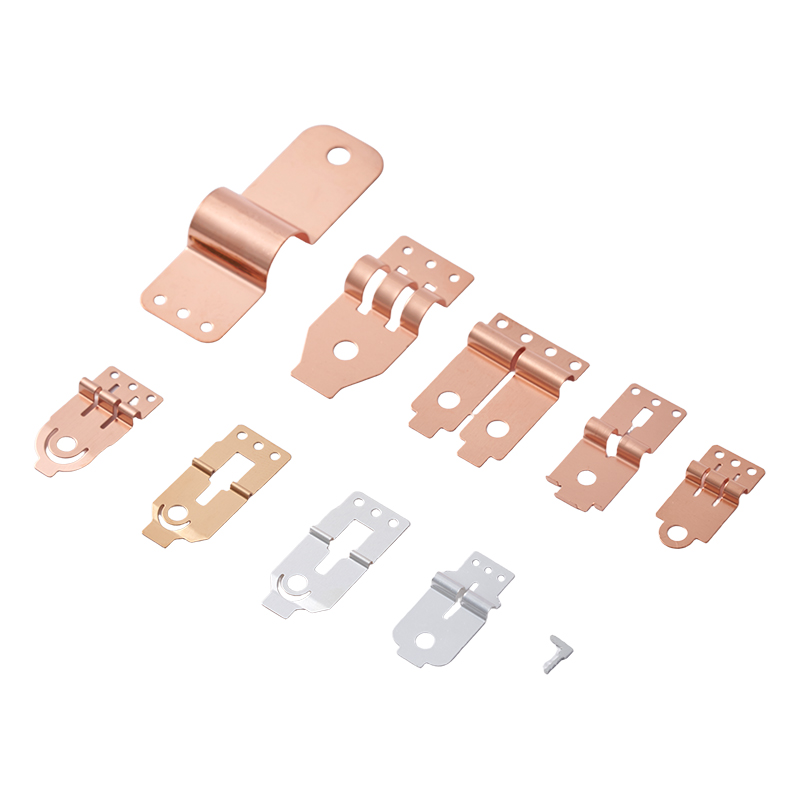
The Tin-Plated Brass Stud Terminal is designed to meet these requirements. It combines a high-conductivity brass base with a precision tin-plated surface and a stud-style locking structure. This construction supports secure cable termination, efficient power distribution, and consistent contact performance. It is suitable for use in distribution boxes, industrial control cabinets, EV charging piles, energy storage systems, smart home electrical equipment, and other power or wiring modules.
Manufactured through precision stamping, electroplating, inspection, and related metalworking processes, the terminal can be supplied as a standard component or developed as a customized part. Stud dimensions, hole positions, overall geometry, plating specifications, packaging, and other technical features can be adjusted according to customer drawings, samples, or application requirements. This flexibility makes the product suitable for both replacement applications and original equipment manufacturing programs.
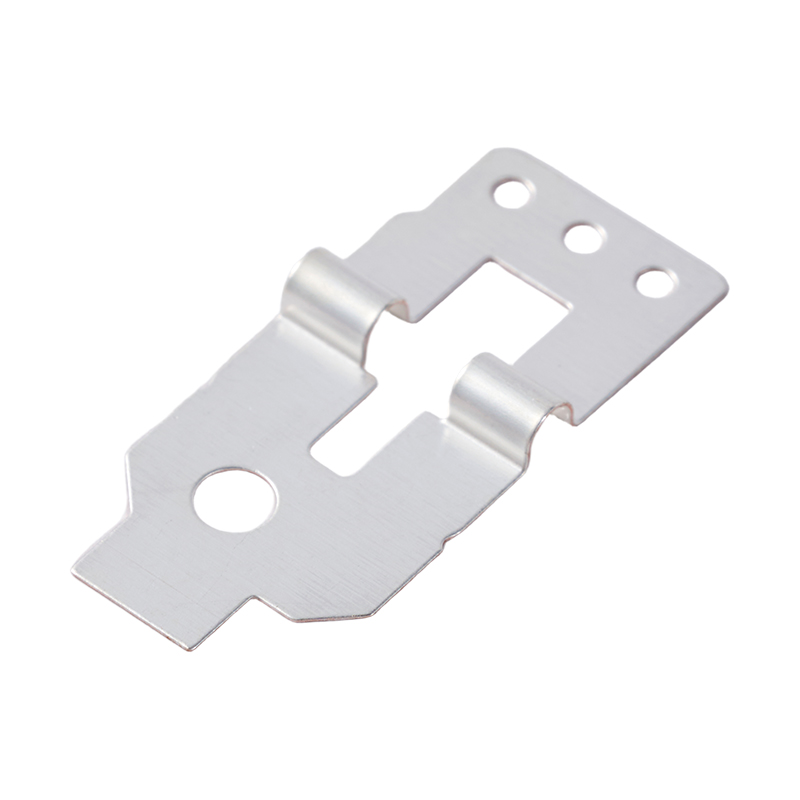
A Tin-Plated Brass Stud Terminal is an electrical connection component formed from brass and finished with a tin coating. The brass substrate provides a favorable balance of electrical conductivity, mechanical strength, formability, and machinability. The tin-plated surface adds protection against oxidation and corrosion while supporting stable contact and good solderability where required.
The stud structure is intended to simplify cable termination and improve fastening security. Depending on the design, a cable, busbar, conductive strip, or related electrical component can be positioned over or around the terminal interface and secured with a corresponding fastener. This structure helps maintain the position of the connected component and reduces the likelihood of loosening caused by normal equipment vibration or handling.
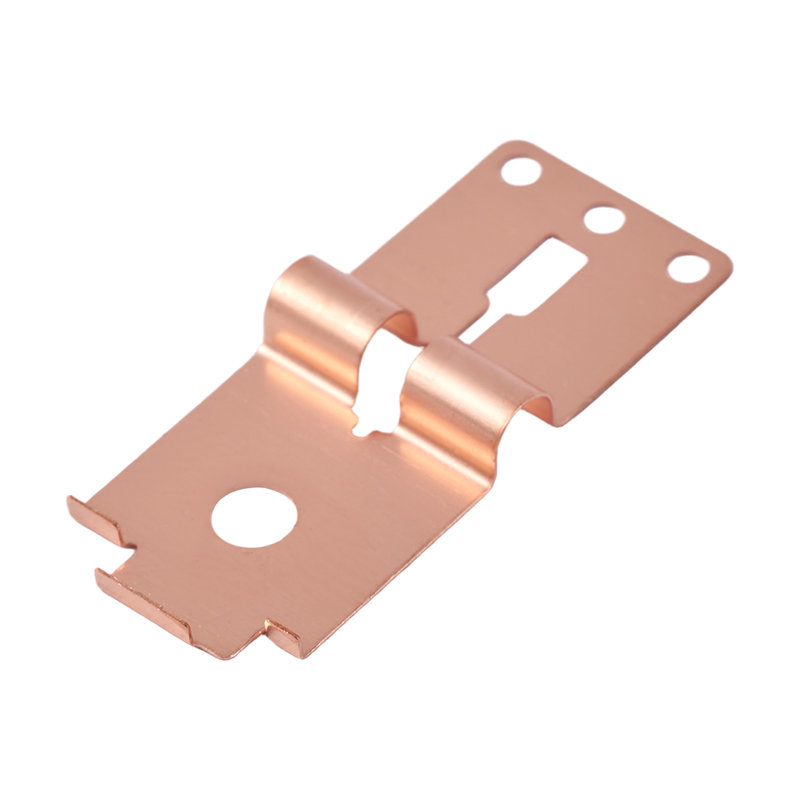
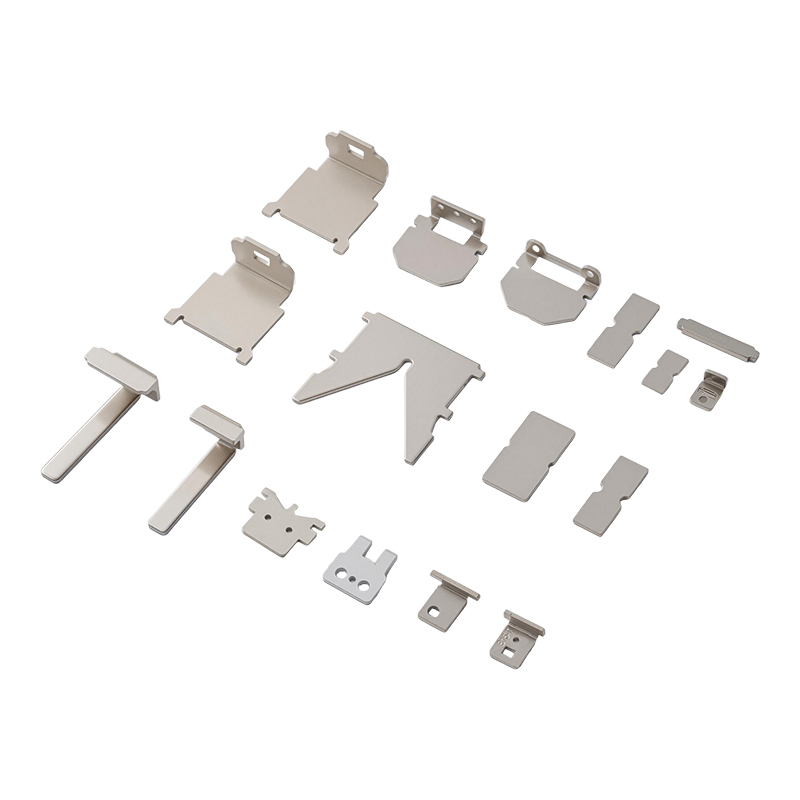
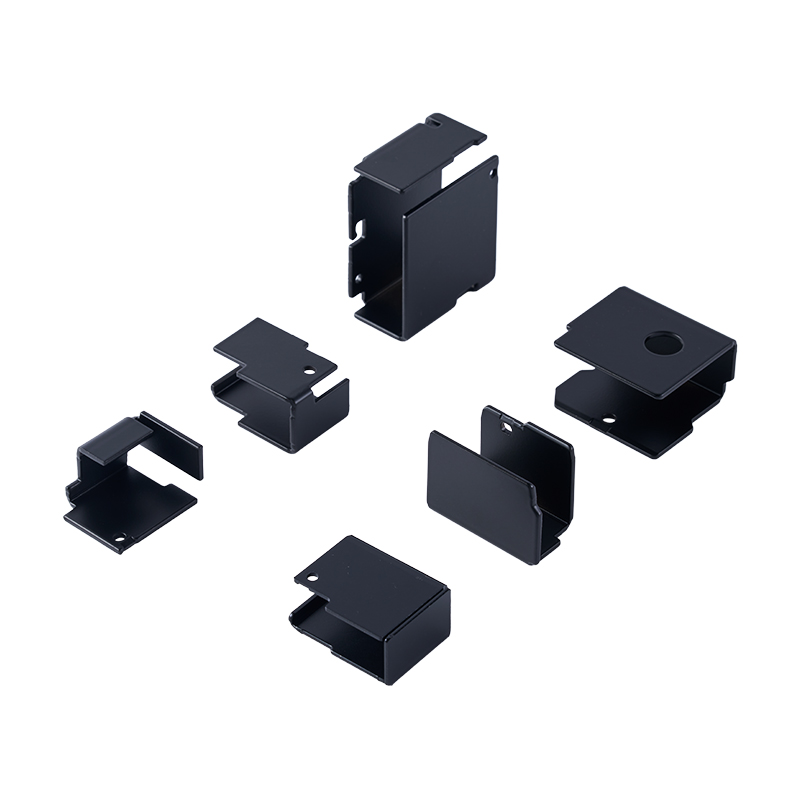
Because the terminal can be produced in different sizes and configurations, it may be integrated into compact electronic modules as well as larger power distribution assemblies. The final geometry can include customized holes, threaded sections, bends, flanges, locating features, or other structural details needed for installation and electrical clearance.
The product is intended for professional electrical and electronic applications where stable current transmission and repeatable assembly are important. It can be used as a component in a larger connection system rather than as a standalone electrical device. The appropriate size, material thickness, plating specification, and fastening method should be selected according to the operating current, voltage, temperature, mechanical load, environmental conditions, and applicable technical standards of the finished equipment.
Brass is widely used in electrical hardware because it combines electrical performance with practical manufacturing characteristics. Compared with many common steel-based alternatives, brass generally offers better electrical conductivity. This helps reduce unnecessary resistance at the connection point when the terminal is correctly sized, properly installed, and operated within its design limits.
Brass also provides useful mechanical strength. A terminal must withstand clamping pressure, installation forces, cable movement, and, in some applications, vibration. A material that is too soft may deform during assembly, while a material that is too brittle may crack or fail during forming. Brass offers a balanced material platform for stamped and formed connection parts.
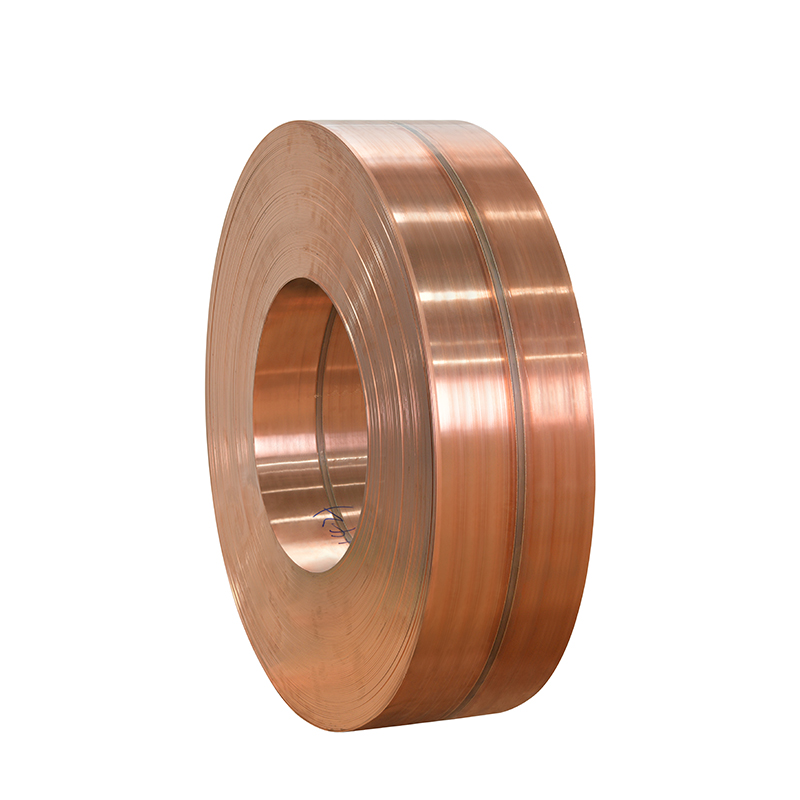
Another advantage is its suitability for precision manufacturing. Brass strip, sheet, and other forms can be processed through stamping, bending, punching, tapping, threading, riveting, and related operations. This makes it possible to produce repeatable shapes with controlled dimensions and integrated mounting features. The ability to manufacture complex profiles efficiently is valuable for high-volume electrical and electronic production.
Brass is also compatible with surface treatments designed to improve environmental resistance. In this product, the tin-plated finish provides an additional protective layer between the brass base and the surrounding operating environment. The coating can help reduce surface oxidation and preserve the contact characteristics required for reliable electrical service.
Metal surfaces can be affected by moisture, airborne contaminants, temperature variation, and chemical exposure. Oxidation or corrosion at a connection interface may increase contact resistance and reduce long-term reliability. Precision tin plating helps protect the brass surface and improves resistance to these common environmental influences.
The coating is particularly useful in equipment installed in industrial facilities, utility rooms, charging infrastructure, transportation-related systems, and energy storage environments. The exact level of protection depends on plating thickness, substrate preparation, environmental exposure, sealing, installation conditions, and other design factors. For projects with demanding environmental requirements, salt spray testing and related reports can be requested as part of the quality documentation.
A clean and suitably finished conductive surface supports more consistent electrical contact. Tin plating helps maintain a uniform surface condition during storage, handling, and operation. When the terminal is combined with appropriate clamping force and a correctly matched mating component, it can support stable contact resistance over extended service periods.
Stable contact is important in power distribution systems, relay assemblies, current transmission modules, control cabinets, and energy storage equipment. Unstable contact can lead to localized heating, intermittent signals, voltage loss, or equipment downtime. A properly manufactured and installed tin-plated terminal reduces the risk of these issues compared with an inadequately protected or inconsistent connection surface.
Tin is commonly recognized for its favorable soldering characteristics. In designs where the terminal is soldered or where soldering is part of the assembly process, the tin-plated finish can support efficient wetting when suitable solder materials, flux, temperature, and process controls are used. The actual soldering performance should be verified against the customer’s assembly method and applicable process requirements.
A controlled electroplating process provides a consistent metallic finish across production batches. Consistent surface appearance is not only an aesthetic benefit. It can also indicate that the surface treatment has been applied under controlled manufacturing conditions. For customers with defined appearance or coating requirements, plating thickness, finish, and inspection criteria can be incorporated into the product specification.
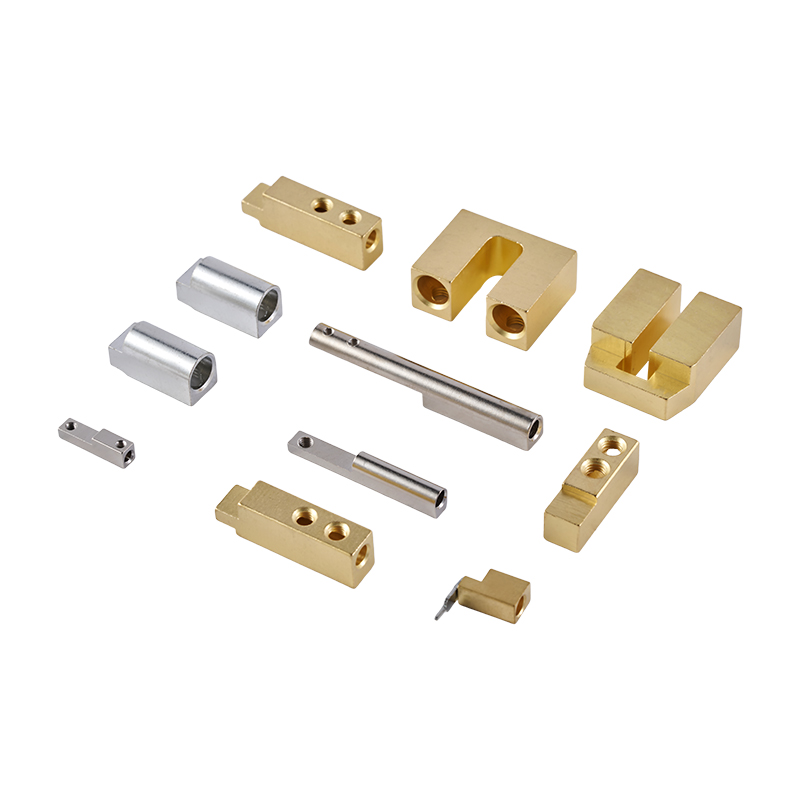
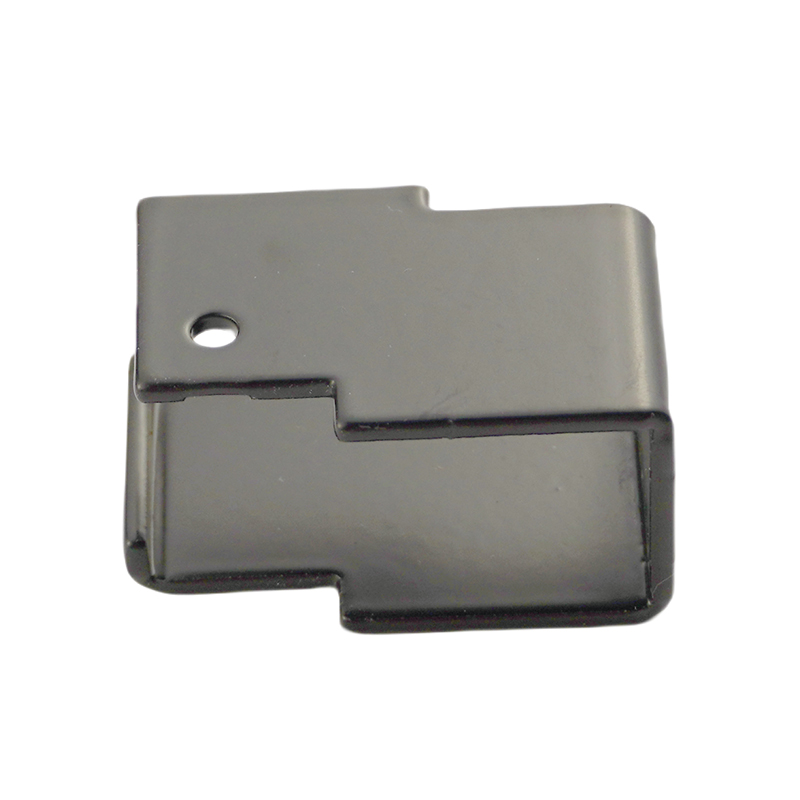
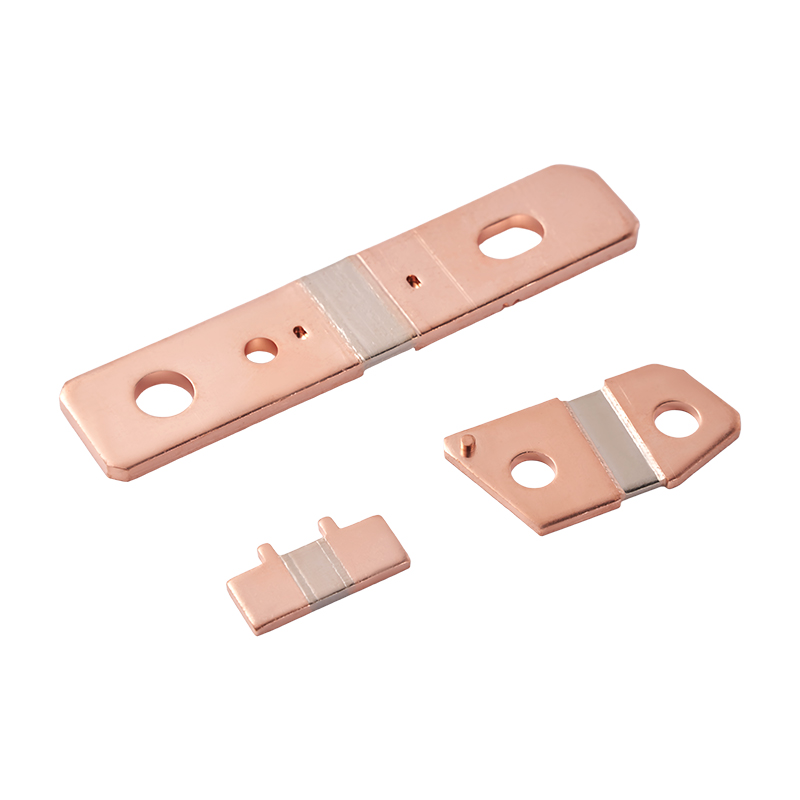
Tin-Plated Brass Stud Terminal
The stud-style structure is one of the main functional features of this terminal. It provides a defined fastening point for a cable lug, conductive strip, busbar, wire connection, or other electrical component. Unlike a simple flat contact surface that may require additional positioning hardware, a stud structure can help guide and retain the connected component during assembly.
A secure fastening point is especially important where equipment may experience vibration, repeated thermal expansion and contraction, or cable movement. Proper tightening distributes mechanical pressure across the connection and helps maintain a stable electrical interface. The terminal can also be designed with customized hole positions, stud sizes, thread forms, and locating features to suit the surrounding assembly.
For compact equipment, the terminal geometry can be adjusted to use available space efficiently. For larger systems, the structure can be developed to accommodate higher mechanical loads, larger conductors, or a particular busbar arrangement. These changes should be evaluated together with electrical clearance, creepage distance, heat dissipation, insulation design, and installation tooling.
The stud component can be manufactured as part of a stamped or formed structure, or combined with other processing operations such as threading, tapping, riveting, bending, and welding. This allows the terminal to be adapted to the requirements of the finished product rather than forcing the customer to redesign the surrounding assembly around a standard part.
The performance advantages of this terminal are most evident when it is compared with generic, untreated, or poorly controlled connection hardware. A basic metal connector may provide an initial electrical path, but long-term performance depends on material selection, dimensional accuracy, surface treatment, mechanical retention, and production consistency.
An untreated brass terminal may offer good initial conductivity, but its exposed surface is more vulnerable to oxidation and environmental contamination. The tin-plated version adds a protective surface designed to preserve the usability of the connection interface for a longer period. This is valuable in installations where inspection or replacement is difficult.
Carbon steel hardware may provide mechanical strength but generally requires an appropriate conductive surface treatment for electrical applications. Without a suitable finish, steel can have less favorable electrical characteristics and may be more vulnerable to corrosion. The brass base of this terminal provides a combination of conductivity and formability that is well suited to electrical connection components.
Connection failures may arise when holes, studs, bends, or contact surfaces vary significantly from one part to another. A stated dimensional tolerance of ±0.01 mm supports accurate installation and compatibility with controlled electrical assemblies, provided that the tolerance applies to the relevant feature and is confirmed in the final drawing. Precision production also helps reduce assembly adjustments, rework, and misalignment.
A standard terminal may not match the available installation space, conductor layout, hole position, fastening method, or insulation structure of a particular device. The Tin-Plated Brass Stud Terminal can be customized in terms of stud size, hole position, dimensions, structural design, plating thickness, surface finish, and packaging. This reduces the need for secondary modification by the customer and supports more efficient equipment integration.
Electrical hardware quality depends on more than the final appearance of the part. Stamping accuracy, mold condition, deburring, cleaning, plating, inspection, packaging, and traceability all influence performance. Production on automated stamping, electroplating, and inspection lines helps create a more controlled process. A 100% quality inspection program before delivery provides an additional checkpoint for identifying nonconforming products.
Manufacturing begins with a review of the customer’s drawings, samples, technical specifications, and intended application. Engineers evaluate the material, thickness, geometry, tolerance requirements, hole locations, stud configuration, surface treatment, and assembly method. This stage is important because a terminal cannot be evaluated only as an isolated metal part. Its design must work with the cable, fastener, insulation, housing, and electrical system in which it will be installed.
Drawing formats such as 3D files, CAD documents, DWG, IGS, and STP can be used during development. When a customer has only a physical sample, the part may be assessed for OEM or ODM development subject to technical review. The objective is to establish a practical manufacturing route while preserving the required electrical and mechanical functions.
Precision stamping depends on suitable tooling. The mold must support the required blank shape, hole positions, bends, formed features, and production volume. Tooling design also considers material flow, edge quality, dimensional stability, maintenance access, and production efficiency.
Advanced mold and tooling design is one of the important strengths of a specialized hardware manufacturer. Proper tooling can reduce variation between batches, improve repeatability, and support faster production. It can also reduce material waste and limit the number of secondary operations required after stamping.
Stamping converts brass sheet or strip into the required terminal profile. Depending on the design, the process may include blanking, piercing, forming, bending, coining, embossing, or other controlled operations. Automated equipment supports repeatable feeding and positioning, which is important for parts requiring accurate hole locations and consistent geometry.
The stamping process must be controlled to prevent burrs, deformation, cracks, excessive springback, and dimensional variation. These issues can interfere with assembly or create undesirable electrical contact conditions. Inspection of the stamped part helps confirm that the component is ready for surface treatment.
Not every terminal design can be completed in a single stamping operation. Depending on the drawing, additional processing may include deep drawing, laser cutting, CNC punching, threading, tapping, welding, riveting, or further bending. These capabilities allow the product to be adapted to complex connection structures and specialized installation requirements.
Secondary operations must be coordinated with the base material and plating sequence. In some designs, forming or machining is completed before electroplating to protect the finished surface from unnecessary damage. In other designs, specific operations may be selected to preserve dimensional accuracy or improve the fastening function.
Before electroplating, the component surface must be properly prepared. Oil, stamping residue, dust, oxides, and other contaminants can affect coating adhesion and appearance. Cleaning and activation steps are therefore important parts of the surface treatment process.
Good surface preparation helps the tin coating form a more uniform layer across the required areas. It also supports repeatability between batches and reduces the risk of peeling, discoloration, or incomplete coverage. Process parameters should be selected according to the brass grade, part geometry, plating specification, and customer requirements.
Electroplating applies the tin surface layer to the brass terminal. The process is controlled to achieve the requested coating appearance, coverage, and thickness. Areas that must remain unplated or meet special contact requirements can be addressed through suitable production and masking methods when required by the design.
Plating thickness is a product specification rather than a universal value. It should be defined according to the environment, contact requirements, soldering method, expected service life, and applicable standards. Customized tin plating thickness and surface finish are available for projects with specific technical requirements.
Inspection is performed throughout production and before delivery. Dimensional checks verify critical features such as hole positions, stud dimensions, overall length, width, thickness, and formed angles. Visual inspection evaluates surface condition, burrs, plating coverage, discoloration, and other visible characteristics.
Electrical conductivity and salt spray testing can be arranged according to project needs. These tests provide additional evidence related to current transmission and environmental resistance. The exact test method, duration, acceptance criteria, and reporting format should be agreed upon before production for applications requiring formal qualification documents.
A 100% QC inspection before delivery is used to support consistent shipment quality. Inspection records and technical reports may be provided to customers according to the product program and documentation requirements.
Electrical terminals can be susceptible to scratching, deformation, contamination, or moisture during storage and transport. Packaging should therefore be selected according to the part geometry, surface finish, quantity, and shipping method. Customized packaging is available for bulk orders and can include labeling, batch identification, protective separators, and customer-specific packing instructions.
Proper packaging helps preserve the tin-plated surface and simplifies counting and line-side handling. It also supports traceability when terminals are used in multiple production lines or supplied to different equipment programs.
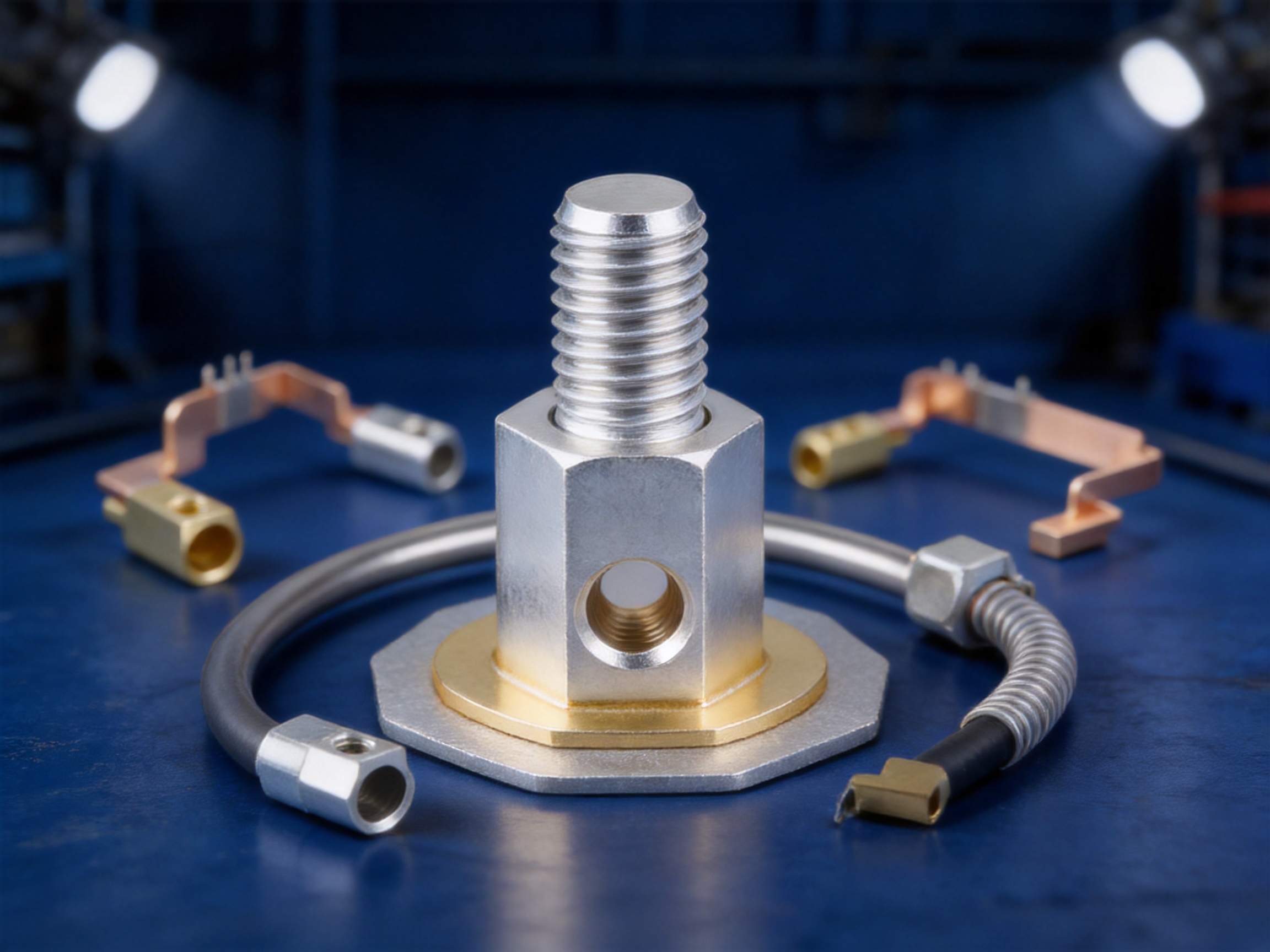
A reliable terminal supplier must control both product quality and the manufacturing system behind the product. Zhejiang Taoyang Electronics Co., Ltd. has developed its production and quality management capabilities around hardware supporting products for electronic, electrical, relay, current transformer, electricity meter, new energy, energy storage, and automotive applications.
The company reports certification to ISO 9001, ISO 45001, ISO 14001, and IATF 16949. These standards relate to quality management, occupational health and safety, environmental management, and automotive quality management. Their relevance depends on the scope of certification and the specific product program, but together they indicate an organized approach to process control and operational management.
The company also reports product compliance support related to RoHS and REACH requirements. Customers should confirm the applicable declarations, material information, and test documents for each individual product and market. For regulated applications, documentation should be reviewed as part of the customer’s supplier approval process.
Quality management is strengthened by in-process controls, automated production lines, technical inspection, and final verification. This approach is particularly important for terminals because small dimensional differences can affect assembly alignment, fastening force, electrical clearance, or contact resistance.
Distribution boxes require dependable connection points for incoming and outgoing conductors. A tin-plated brass stud terminal can support organized cable termination and help maintain a stable conductive path inside the enclosure. Customized dimensions and hole positions allow the terminal to fit the box structure and related insulation components.
Industrial control cabinets contain relays, contactors, controllers, terminal blocks, circuit protection devices, and power distribution components. These systems may operate continuously and can be exposed to vibration, heat, dust, and maintenance activity. A secure stud terminal supports consistent wiring and can help simplify the assembly of control and power circuits.
Electric vehicle charging equipment requires reliable current transmission and robust mechanical connections. Terminals used in these systems must be selected according to current rating, thermal conditions, enclosure design, insulation requirements, and applicable charging equipment standards. Tin-plated brass provides a practical material and surface combination for connection hardware used in charging assemblies.
Energy storage systems include battery modules, busbars, power conversion equipment, monitoring systems, and protection devices. Connection hardware must support stable electrical performance while meeting the mechanical and environmental requirements of the equipment. Customized stud terminals can be developed for module interfaces, distribution structures, and internal power connection assemblies.
Smart home equipment often requires compact electrical components that can be integrated into space-limited housings. The terminal can be customized for small dimensions, specific mounting positions, and controlled connection geometry. Tin plating supports a clean and protected conductive surface for suitable low- and medium-power applications.
Power distribution systems depend on connections that remain mechanically secure and electrically stable. The terminal can be used in equipment where cables, conductive strips, or busbar-related components must be fastened to a defined point. Proper sizing and installation are essential to achieve the intended current-carrying performance.
Relays and electronic products often use stamped conductive components with precise shapes and controlled contact areas. The manufacturing capabilities used for this stud terminal can also support related hardware and customized conductive parts. Design assistance, tooling development, stamping, plating, inspection, and packaging can be coordinated through one supply chain.

Customization is available for customers whose applications cannot be served by a standard catalog dimension. The most common customization options include stud size, hole position, overall length and width, material thickness, structural profile, plating thickness, surface finish, and packaging format.
Stud dimensions can be adapted to match the selected fastener, cable lug, conductive bar, or installation tool. Hole positions can be adjusted to align with the housing, insulating support, circuit board, mounting plate, or busbar arrangement. Structural changes may include additional bends, locating tabs, reinforcement features, threaded sections, or other geometry shown on the customer drawing.
Surface treatment can be specified according to the intended environment and assembly process. Tin plating is the primary finish for this product, while other available processing or surface treatment capabilities may include polishing, powder coating, plating, sandblasting, painting, zinc plating, nickel plating, and acid pickling. The appropriate option depends on electrical, mechanical, environmental, and appearance requirements.
OEM and ODM production is available based on drawings or physical samples. Before mass production, customers may request development samples to verify fit, assembly sequence, appearance, contact position, and other functional details. Early sample evaluation helps identify design improvements before tooling and high-volume production are fully committed.
Customized packaging can be prepared for bulk orders. Packaging may be designed to protect the plated surface, prevent tangling or deformation, improve warehouse identification, and support automated or semi-automated assembly. Customer labels, batch references, and inspection documentation can be coordinated according to the purchasing program.
| Item | Specification |
| Product Name | Tin-Plated Brass Stud Terminal |
| Primary Material | Brass |
| Surface Treatment | Tin plating; customized plating specifications may be available |
| Dimensional Tolerance | ±0.01 mm, subject to drawing and feature requirements |
| Manufacturing Process | Precision stamping and electroplating |
| Additional Processing | Deep drawing, laser cutting, bending, CNC punching, threading, welding, tapping, and riveting |
| Available Surface Processes | Polishing, powder coating, plating, sandblasting, painting, zinc plating, nickel plating, and acid pickling |
| Drawing Formats | 3D, CAD, DWG, IGS, and STP |
| Inspection | 100% QC inspection before delivery |
| Optional Reports | Salt spray and electrical conductivity test reports upon request |
| Minimum Order Quantity | 100 pieces |
| Regular Lead Time | Approximately 6–8 weeks |
| Custom Product Lead Time | Approximately 5–9 weeks after receipt of payment, subject to technical confirmation |
| Trade Terms | EXW or CIF |
| Sample Availability | Stock samples and OEM/ODM samples based on drawings or physical samples |
The values in this table provide a general product and supply overview. The final specification should be confirmed on the approved drawing, purchase order, quality agreement, and technical documentation for the individual project. In particular, current rating, voltage rating, operating temperature, plating thickness, material grade, fastening torque, and environmental performance should be defined according to the final application.
Correct installation is essential for achieving reliable terminal performance. The connected conductor or cable lug should match the terminal dimensions and be positioned evenly on the contact area. The fastener should be tightened according to the specified torque and assembly procedure. Excessive torque may deform the terminal or damage the connected component, while insufficient torque may allow movement and increase contact resistance.
Contact surfaces should be kept clean during assembly. Oil, dust, insulation residue, or foreign particles can reduce the effective contact area. Where the application requires a specific washer, locking device, insulating barrier, or corrosion-control material, these elements should be included in the approved assembly design.
Electrical and thermal evaluation should be completed for applications carrying significant current. The terminal’s performance depends on material thickness, contact area, conductor size, fastening force, ambient temperature, heat dissipation, duty cycle, and enclosure conditions. A component should not be assigned a current rating without evaluating the complete connection system.
Clearance and creepage distances must also be considered in power equipment. The terminal shape, fastener height, adjacent conductive components, insulation, and housing all influence the final electrical safety design. Customized geometry can help meet these requirements, but the complete assembly must be validated by the equipment manufacturer.
For outdoor or high-humidity applications, the terminal should be used with suitable enclosure protection and environmental controls. Tin plating improves resistance to oxidation and corrosion, but no surface treatment eliminates the need for appropriate system-level sealing, material compatibility, and maintenance planning.
A specialized manufacturer can provide more value than a simple parts supplier by coordinating engineering, tooling, production, inspection, and customer service. Zhejiang Taoyang Electronics Co., Ltd. has experience in hardware supporting products for relay, electrical, electronic, automotive, new energy, and energy storage applications. This industry background supports communication with buyers who require more than a standard metal component.
The company’s manufacturing capabilities include automated stamping, electroplating, inspection, and multiple secondary processing methods. These capabilities help support both regular production and customized development. Customers can submit drawings or samples for review and receive assistance with manufacturing feasibility, tooling, surface treatment, and quality documentation.
Production capacity is supported by process control and quality inspection. The company states that it has supplied more than 100 leading customers in China and overseas and has been recognized as a technology-based small and medium-sized enterprise and a national high-tech enterprise. Such experience can be useful for buyers seeking a long-term supplier for recurring hardware requirements.
Fast technical communication is important when a component is integrated into a new product. Questions involving material, tolerance, plating, tooling, packaging, inspection, and delivery can be addressed before the purchase order is finalized. This reduces ambiguity and helps align the terminal with the customer’s production process.
For bulk programs, the standard commercial terms include a minimum order quantity of 100 pieces, regular lead times of approximately 6–8 weeks, and custom product lead times of approximately 5–9 weeks after payment, subject to design confirmation. Stock samples may be available, while OEM and ODM samples can be produced according to drawings or physical samples.
The first selection factor is the electrical requirement. Buyers should define the expected operating current, voltage, frequency where applicable, conductor type, duty cycle, and allowable temperature rise. These details influence the required contact area, material thickness, terminal dimensions, and fastening structure.
The second factor is the mechanical requirement. The terminal must fit the available mounting space and withstand the expected installation force, cable weight, vibration, and service movement. Hole positions, stud dimensions, thread type, bend angle, and locating features should be confirmed in a detailed drawing.
The third factor is the environment. Humidity, salt exposure, industrial pollutants, temperature cycling, chemical contact, and indoor or outdoor installation conditions may affect the plating and base material selection. A salt spray test or other environmental qualification may be appropriate for demanding applications.
The fourth factor is assembly compatibility. The terminal should work with the customer’s cable lugs, fasteners, torque tools, soldering equipment, automated assembly line, insulation parts, and inspection process. A design that is electrically suitable but difficult to assemble may increase total production cost.
The fifth factor is documentation. Customers may require material certificates, dimensional inspection records, plating reports, conductivity results, salt spray results, RoHS or REACH information, first article inspection documents, and change-control procedures. These requirements should be communicated before production begins.
It is used for secure electrical connections and power distribution in distribution boxes, industrial control cabinets, EV charging piles, energy storage systems, smart home electrical equipment, relay assemblies, and other electronic or electrical products. The stud structure provides a defined fastening point for cables, cable lugs, conductive strips, or related components.
Brass provides a useful combination of electrical conductivity, mechanical strength, formability, and manufacturing flexibility. It can be stamped, bent, punched, threaded, and otherwise processed into customized terminal shapes while supporting efficient current transmission.
Tin plating improves oxidation and corrosion resistance, helps preserve a stable conductive surface, and can support solderability. The exact performance depends on coating thickness, surface preparation, operating environment, assembly conditions, and the complete system design.
Yes. Stud sizes, hole positions, overall dimensions, structural features, plating specifications, and packaging can be customized according to customer drawings, technical requirements, or physical samples.
The stated dimensional tolerance is ±0.01 mm. The applicable tolerance should be confirmed for each feature on the approved drawing because complex formed parts may require different tolerances for critical and noncritical dimensions.
Core processes include precision stamping and electroplating. Additional capabilities include deep drawing, laser cutting, bending, CNC punching, threading, welding, tapping, and riveting. The final process route depends on the terminal design and production requirements.
Yes. Salt spray and electrical conductivity test reports can be provided upon request or according to project requirements. Customers should define the test method, acceptance criteria, sample quantity, and reporting format before production.
The product is subject to 100% QC inspection before delivery. Inspection may include dimensional, visual, plating, and other checks according to the approved quality requirements.
Yes. OEM and ODM production can be developed from customer drawings or physical samples. Development samples may be produced for fit, appearance, assembly, and functional verification before mass production.
Common formats include 3D, CAD, DWG, IGS, and STP. A physical sample may also be used as a basis for technical review and product development.
The listed minimum order quantity is 100 pieces. The final quantity may depend on the product design, tooling requirements, surface treatment, packaging, and production plan.
Regular orders generally require approximately 6–8 weeks. Custom products generally require approximately 5–9 weeks after receipt of payment, subject to drawing approval, tooling, sample confirmation, plating requirements, and order quantity.
The terminal should be installed with a compatible conductor or cable lug, suitable fastener, correct alignment, and specified tightening torque. Contact surfaces should be clean, and the complete assembly should be evaluated for current capacity, temperature rise, insulation, clearance, and mechanical security.
It may be suitable for outdoor or demanding environments when the material, plating thickness, enclosure, sealing, and complete system design meet the application requirements. Environmental testing and system-level validation should be completed before approval for outdoor use.
The Tin-Plated Brass Stud Terminal provides a practical combination of conductive performance, mechanical fastening, corrosion resistance, and manufacturing flexibility. Its brass base supports efficient electrical transmission and precision forming, while the tin-plated surface helps protect the contact interface against oxidation and environmental exposure. The stud structure supports secure cable termination and simplifies integration into power and wiring modules.
Compared with generic untreated or low-precision connection hardware, the product offers advantages through controlled material selection, surface treatment, dimensional accuracy, customization, and inspection. Its manufacturing route includes precision stamping, secondary metalworking, electroplating, and final quality control. The ability to provide customized dimensions, plating specifications, OEM samples, packaging, and testing support makes it suitable for both standard applications and specialized equipment programs.
With experience serving electronic, electrical, relay, automotive, new energy, and energy storage industries, Zhejiang Taoyang Electronics Co., Ltd. provides an integrated supply capability for customized hardware components. Automated production lines, mold and tooling expertise, quality management systems, international compliance support, and technical service help customers develop stable connection solutions for demanding products.
For buyers evaluating a terminal supplier, the most important considerations are not only price and appearance. Electrical performance, mechanical security, dimensional consistency, plating quality, testing capability, production capacity, documentation, packaging, and long-term technical support should all be reviewed. When these factors are properly controlled, the Tin-Plated Brass Stud Terminal can contribute to safer assembly, fewer connection failures, improved production consistency, and reliable long-term operation.
1. Product technical information for Tin-Plated Brass Stud Terminal, including material, processing, customization, inspection, and application data.
2. Company manufacturing and quality information for Zhejiang Taoyang Electronics Co., Ltd.
3. ISO 9001, Quality Management Systems—Requirements.
4. ISO 14001, Environmental Management Systems—Requirements with Guidance for Use.
5. ISO 45001, Occupational Health and Safety Management Systems—Requirements with Guidance for Use.
6. IATF 16949, Quality Management System Requirements for Automotive Production and Relevant Service Parts Organizations.
7. General engineering principles for electrical contact resistance, conductive materials, terminal fastening, and corrosion-resistant surface treatments.
8. General manufacturing references for precision stamping, electroplating, metal forming, dimensional inspection, and quality control of electrical hardware.





 English
 русский
 Français
 日本語
 Español
 Deutsch
 عربى
 Indonesia
 +86-18257772883