
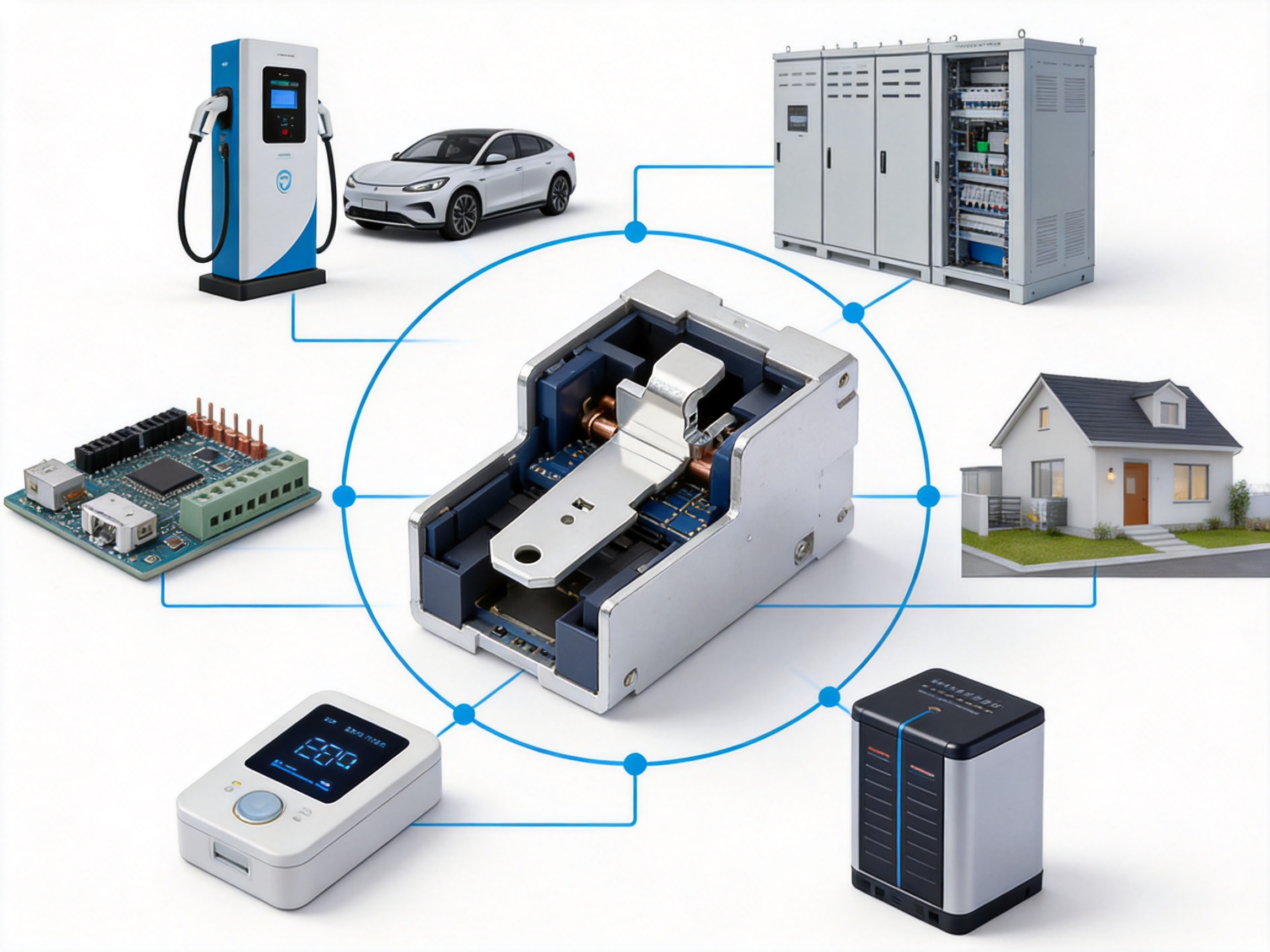
Stationary contact terminals are essential conductive components in relays, switching devices, automotive electrical systems, industrial control equipment, energy systems, and many other electronic products. Although the component is often small, its influence on electrical performance, switching reliability, service life, and manufacturing consistency is significant. A stationary contact terminal must maintain a stable electrical connection, withstand repeated switching, resist oxidation and arcing, and remain dimensionally accurate during assembly and long-term operation.
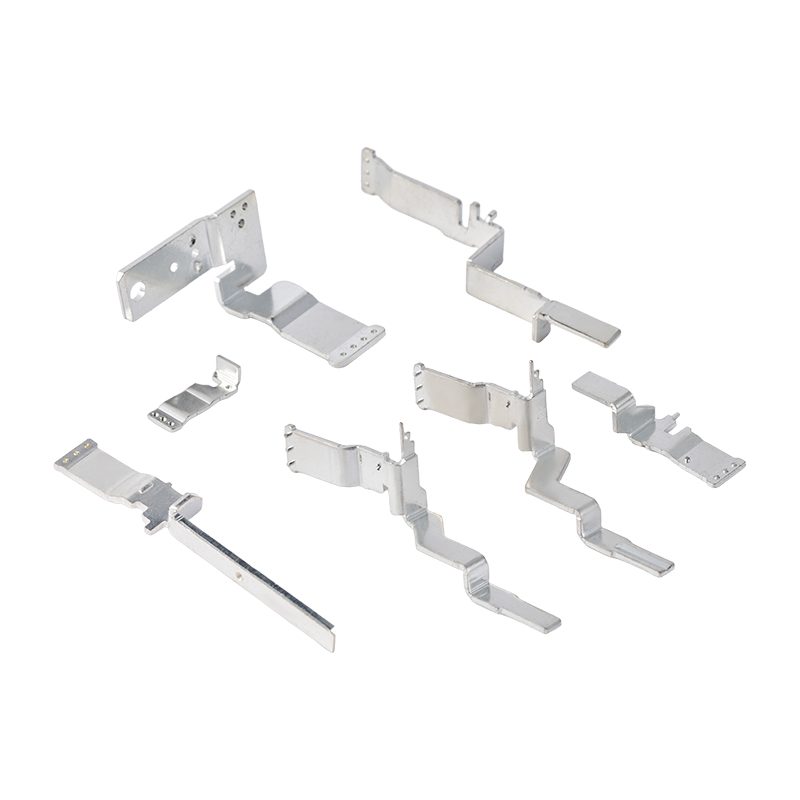
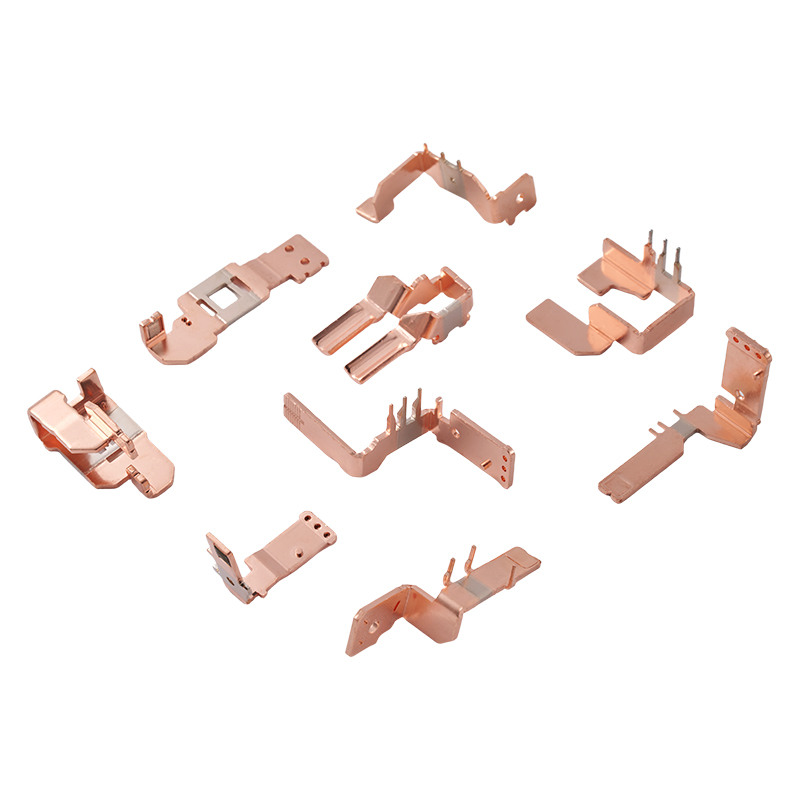
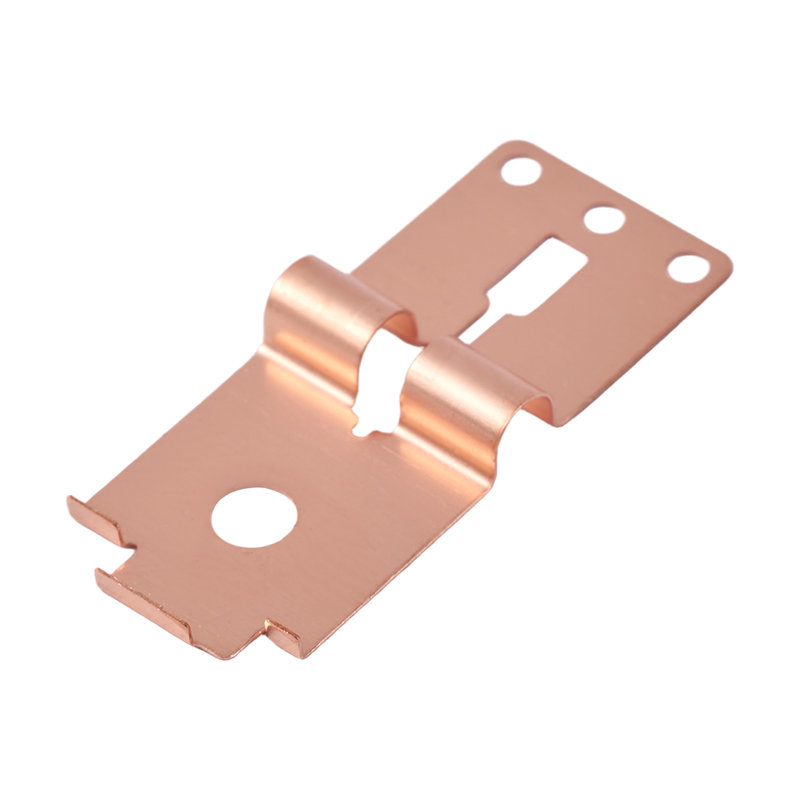
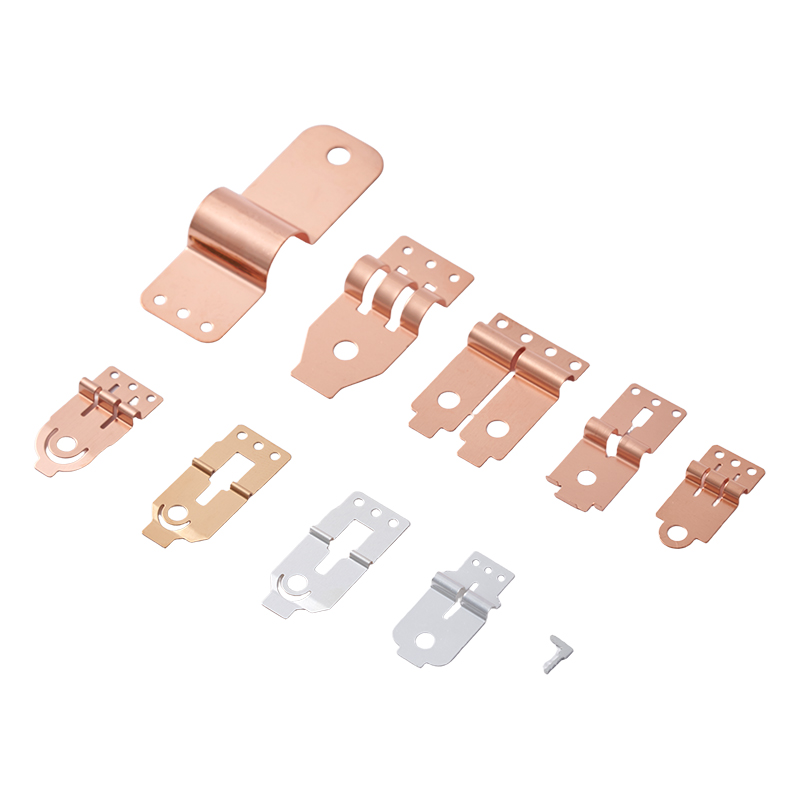
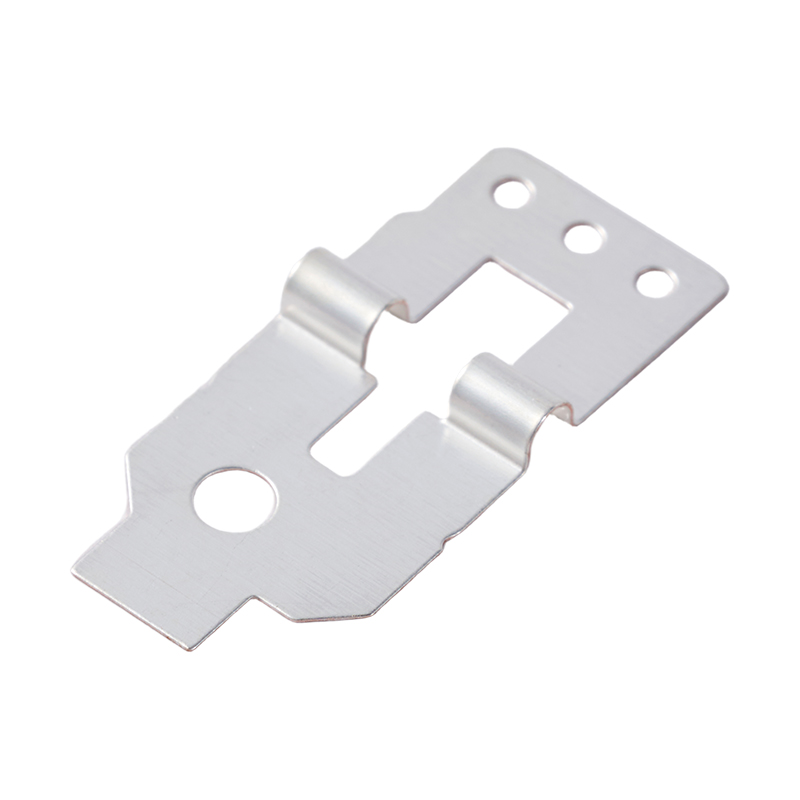
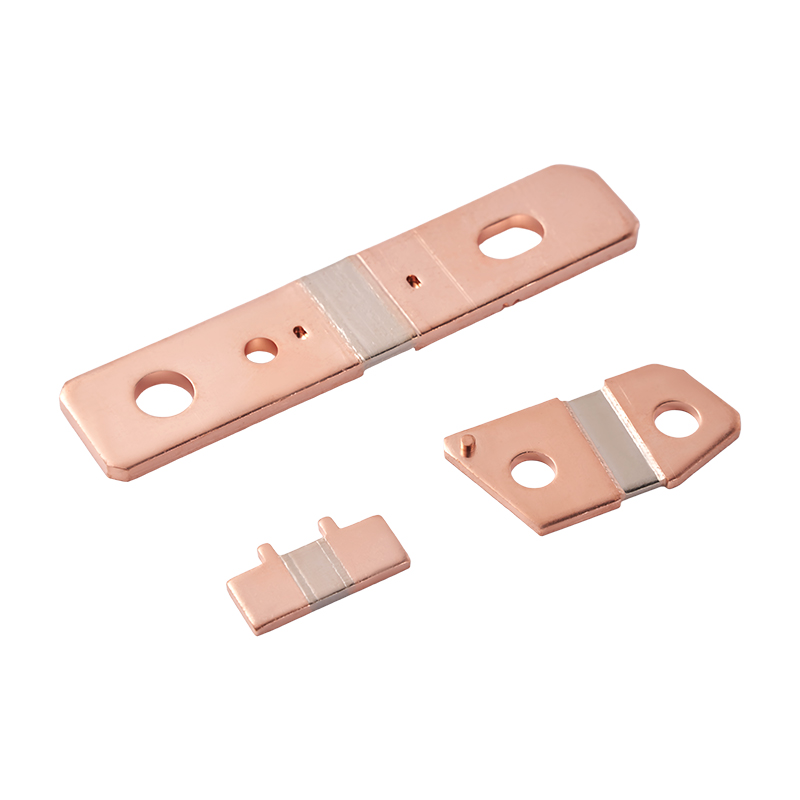
The Stationary Contact Terminal with Silver Contact is developed for these demanding requirements. It combines a precision-formed conductive substrate with an integrated silver contact layer produced through precision silver cladding technology. Instead of attaching a separate silver contact by a secondary welding operation, the silver layer is metallurgically bonded to the substrate during the integrated manufacturing process. This structure supports stable conductivity, reliable contact resistance, good arc resistance, and consistent performance in high-frequency switching applications.
The product is suitable for power relays, industrial control modules, electric vehicle charging piles, automotive electrical systems, smart home electrical devices, energy storage equipment, and other products that require dependable fixed electrical contacts. It is also available as a customized component based on customer drawings, samples, material requirements, contact geometry, surface treatment, packaging specifications, and production quantities.
A relay contact system generally includes a movable contact, a stationary contact, a spring or actuator mechanism, and conductive terminals that connect the switching circuit to the external electrical system. The stationary contact terminal provides the fixed conductive point against which the movable contact closes. During operation, current flows through the terminal and contact interface, while the switching mechanism repeatedly opens and closes the circuit.
This operating process creates several technical challenges. The contact must carry current with low electrical loss, maintain a stable interface under mechanical pressure, and tolerate the heat and electrical stress generated when a circuit is switched. When the circuit opens, an arc may form between the contact surfaces. Repeated arcing can cause material transfer, erosion, pitting, oxidation, and an increase in contact resistance.
The stationary terminal must also be compatible with automated assembly. Its dimensions, hole positions, terminal angles, contact height, and forming accuracy affect how easily it can be installed in a relay or electrical module. Small variations may lead to misalignment, insufficient contact pressure, poor electrical performance, or difficulty during high-speed production.
For these reasons, a reliable stationary contact terminal is not simply a stamped metal piece. It is a functional electrical component that combines material science, contact engineering, precision forming, dimensional control, surface engineering, and inspection technology.
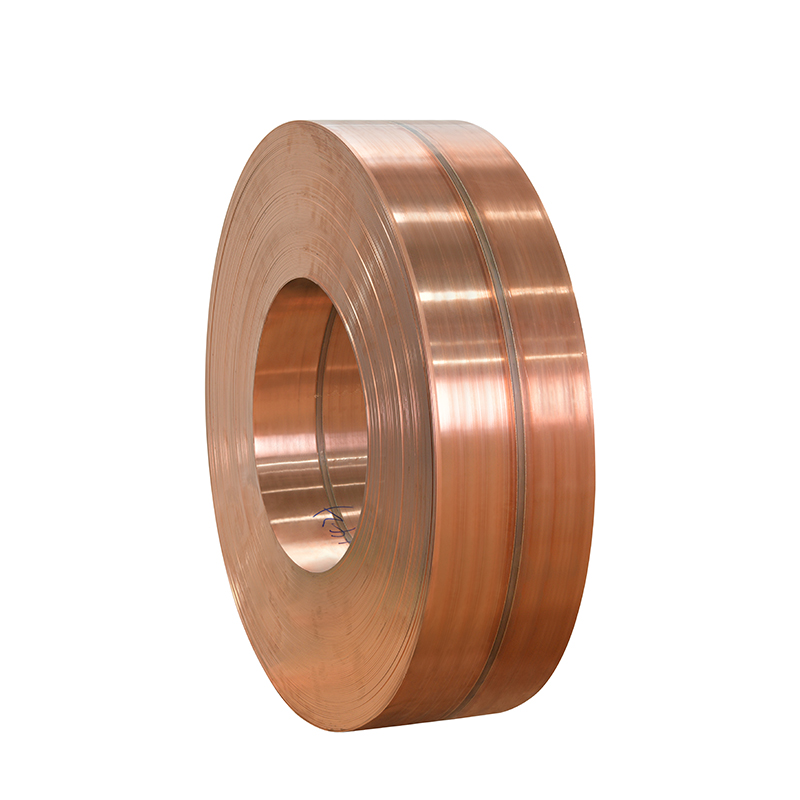
The Stationary Contact Terminal with Silver Contact is a fixed electrical contact component manufactured using integrated silver cladding and precision stamping. The conductive substrate may be made from Beryllium Copper, Phosphor Bronze, or Pure Copper T2Y2, depending on the required conductivity, mechanical strength, spring characteristics, forming behavior, and application environment.
The silver contact layer is bonded to the substrate through a metallurgical cladding process. This creates a strong interface between the silver and base material and reduces the dependence on a separate silver welding step. The integrated structure is designed to improve bonding consistency, simplify production, and support stable electrical performance in large-volume manufacturing.
After the cladding process, the material can be formed through high-speed stamping and other precision manufacturing operations. Depending on the customer’s design, additional processes may include deep drawing, laser cutting, bending, CNC punching, threading, welding, tapping, and riveting. Surface treatment options include polishing, plating, nickel plating, zinc plating, powder coating, anodizing, brushing, sandblasting, painting, hot-dip galvanizing, acid pickling, and silkscreen printing.
The standard dimensional tolerance can reach ±0.01 mm for suitable product structures and production conditions. Every order is subject to quality control before delivery, and 100% inspection is available according to the product specification and customer requirements.
| Item | Specification |
| Product Name | Stationary Contact Terminal with Silver Contact |
| Product Category | Relay Contact Parts |
| Typical Substrate Materials | Beryllium Copper, Phosphor Bronze, Pure Copper T2Y2 |
| Contact Material | Silver contact layer integrated through precision cladding |
| Dimensional Tolerance | Up to ±0.01 mm, depending on design and process requirements |
| Primary Manufacturing Process | Precision stamping |
| Additional Processes | Deep drawing, laser cutting, bending, CNC punching, threading, welding, tapping, and riveting |
| Drawing Formats | 3D, CAD, DWG, IGS, and STP |
| Inspection | 100% quality inspection before delivery |
| Minimum Order Quantity | 100 pieces |
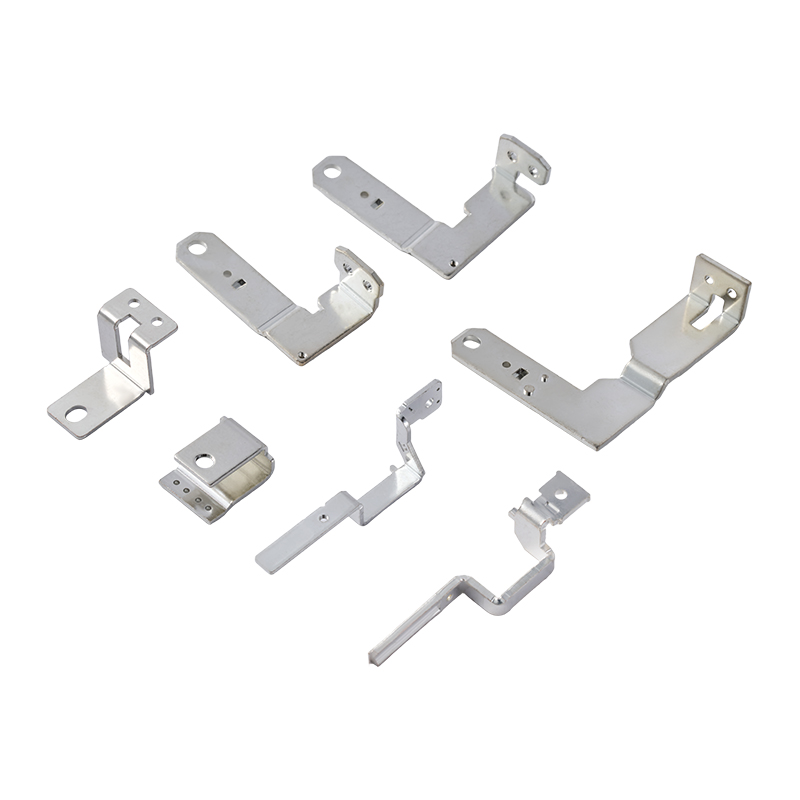
Stationary Contact Terminal with Silver Contact
The most important feature of this stationary contact terminal is the integrated silver-clad structure. In conventional production, a separate silver contact may be attached to a copper alloy terminal through welding, riveting, or another joining process. Such operations can be effective, but they add process steps and introduce additional variables, including positioning accuracy, welding energy, surface cleanliness, bonding strength, and post-weld deformation.
With precision silver cladding, the silver layer is joined to the conductive substrate before the terminal is formed into its final geometry. The silver and substrate are metallurgically bonded, creating a continuous and stable interface. This approach is intended to reduce the risk of weak attachment, uneven contact placement, or inconsistent bonding that may occur when a separate contact is joined after stamping.
Eliminating secondary silver welding can simplify the manufacturing route. Fewer process steps may reduce handling, improve production efficiency, and lower the number of potential process variables. It also reduces the possibility of contact displacement during welding or deformation caused by localized heat input.
For high-volume relay production, process simplification can create significant benefits. A more integrated material structure may support faster production flow, more consistent positioning, and easier automation. It can also reduce the need for separate welding fixtures and additional inspection stages related specifically to welded contact attachment.
Silver is widely used in electrical contact applications because of its excellent electrical conductivity. The silver contact layer provides a conductive interface with low electrical resistance and can help maintain reliable current transfer during repeated switching. The substrate supplies the required mechanical structure and terminal geometry, while the silver layer supports the electrical contact function.
The exact electrical performance depends on the silver thickness, substrate selection, contact pressure, current rating, switching frequency, load type, environmental conditions, and relay design. For this reason, the silver layer thickness and terminal structure can be customized for the customer’s intended application.
Switching circuits can generate electrical arcs, particularly when the switched load is inductive, capacitive, or relatively high in current. The contact material must tolerate this stress without excessive erosion or rapid degradation. The silver contact layer is designed to provide good arc resistance and oxidation resistance, supporting stable contact behavior in repeated switching environments.
Silver-based contact systems are not immune to wear, and the final service life must always be evaluated according to the complete electrical and mechanical design. Nevertheless, integrating a carefully controlled silver contact layer with a precision-formed substrate provides a strong foundation for reliable relay operation.
Customers comparing stationary contact terminals often consider more than the purchase price. They evaluate total manufacturing cost, electrical stability, assembly compatibility, expected service life, defect rates, supply consistency, and the supplier’s ability to support design changes. The integrated silver-clad terminal offers several advantages in these areas.
When the contact layer is integrated into the clad material before stamping, the relationship between the silver contact area and the terminal body can be controlled during the forming process. This can provide more consistent positioning than a separate post-forming attachment process, particularly for small components with tight geometric requirements.
Consistent contact positioning is important because the movable contact must meet the stationary contact at the intended location and angle. A poorly positioned contact may create uneven pressure, localized heating, unstable resistance, or premature wear.
A conventional terminal may require blanking, forming, silver contact preparation, contact positioning, welding, cleaning, inspection, and packaging. The integrated silver-clad structure combines the conductive contact layer and substrate into one material system before final forming. This can reduce production steps and simplify the manufacturing sequence.
Fewer steps do not automatically guarantee lower cost in every application, but they can improve process efficiency and reduce opportunities for handling damage, misalignment, and rework. For customers purchasing large quantities, this process advantage can contribute to better supply stability and more predictable production planning.
A metallurgical bond can provide a more stable interface than a mechanically attached contact, depending on the selected materials and processing conditions. The integrated bond is designed to remain reliable during stamping, assembly, thermal exposure, and repeated switching. Proper process control is essential to achieve this result, including control of cladding parameters, material cleanliness, thickness uniformity, and forming conditions.
Modern relay and electrical equipment manufacturers increasingly rely on automated assembly and high-speed production lines. Components must be supplied with consistent dimensions, repeatable geometry, and stable surface quality. The precision-stamped terminal is developed to support this manufacturing environment.
The product can be produced according to 3D models, CAD drawings, DWG files, IGS files, STP files, or physical samples. Tooling and forming conditions can be adjusted to match the customer’s feeding, insertion, riveting, welding, or assembly process.
Batch-to-batch consistency is a major advantage for OEM and ODM buyers. A component may pass initial testing but still create production problems if dimensions, silver coverage, terminal angles, or surface quality vary significantly between lots. Precision cladding, high-speed stamping, automatic inspection, and controlled process documentation help support consistent production.
The supplier’s inspection system can be adapted to customer requirements. Dimensional inspection, appearance inspection, contact position verification, coating checks, material verification, and other controls may be incorporated into the quality plan.
Material selection affects electrical conductivity, hardness, spring behavior, forming performance, thermal stability, corrosion resistance, and cost. The suitable substrate depends on the terminal design and the operating conditions of the final relay or electrical assembly.
Beryllium Copper is known for its combination of electrical conductivity, strength, elasticity, and fatigue resistance. It can be useful when the terminal requires a high degree of mechanical resilience or repeated flexing. It may be selected for designs in which contact force must remain stable over a long operating period.
Material selection and processing should be based on the customer’s technical requirements, applicable regulations, and intended service environment. The material grade, temper condition, thickness, and forming method all influence final performance.
Phosphor Bronze offers a balance of conductivity, strength, spring properties, and corrosion resistance. It is widely used in electrical terminals, connector components, relay parts, and precision stamped products. Its forming characteristics make it suitable for many terminal structures requiring accurate bends and stable mechanical behavior.
Pure Copper T2Y2 is selected when high electrical conductivity is a primary requirement. Copper substrates can provide efficient current transfer and good thermal conductivity. They are suitable for conductive terminals, shunts, busbar-related components, and electrical connection parts, provided that the design accounts for copper’s mechanical and forming characteristics.
The thickness and coverage of the silver layer should correspond to the electrical load, switching frequency, contact geometry, expected wear, and customer performance requirements. A thicker layer may be appropriate for certain high-duty applications, while other designs may require optimization for material efficiency and cost.
Because operating conditions differ widely, the product should be specified through a technical drawing or engineering discussion rather than selected only by appearance. The supplier supports customization of silver layer thickness and contact structure for different relay and electrical contact applications.
Precision stamping is the primary manufacturing process for the stationary contact terminal. Stamping offers high productivity, repeatable geometry, and efficient material utilization when the tooling and process are properly designed. It is particularly suitable for high-volume production of small metal components.
The quality of a stamped terminal depends on several factors: material properties, tooling accuracy, die clearance, punch condition, stamping speed, lubrication, burr control, forming sequence, and inspection frequency. A well-designed progressive or precision stamping process can control the terminal outline, holes, bends, contact position, and other critical features within the required tolerance.
Tooling design is an important part of product development. The die must account for material thickness, springback, bend radius, grain direction, silver-clad area, and the sequence of forming operations. If the contact area is not properly supported during stamping, the silver layer could be damaged or displaced. If bending is performed in an unsuitable sequence, the terminal may experience distortion or excessive stress.
Advanced tooling design helps achieve stable output and supports efficient production changeover. It also enables the supplier to manufacture customized terminal geometries based on customer drawings or samples.
The stated dimensional tolerance can reach ±0.01 mm for suitable features and controlled production conditions. High accuracy is valuable for relay parts because the terminal must fit within a compact housing and align correctly with the movable contact and other internal components.
Critical dimensions may include overall length and width, hole diameter, terminal thickness, bend angle, contact height, contact center position, flatness, and distance between the contact area and mounting features. The final inspection plan should identify which dimensions are functionally critical and how they will be measured.
Stamping can create burrs at cut edges. Excessive burrs may interfere with assembly, reduce insulation clearance, damage adjacent parts, or create safety concerns. Tool condition, die clearance, material direction, and secondary deburring or finishing operations must be controlled to achieve the required edge quality.
Depending on the design, polishing, plating, brushing, or other surface treatments may be used to improve appearance and functional performance. The appropriate treatment depends on whether the surface is used for electrical contact, grounding, mechanical support, soldering, welding, or corrosion protection.
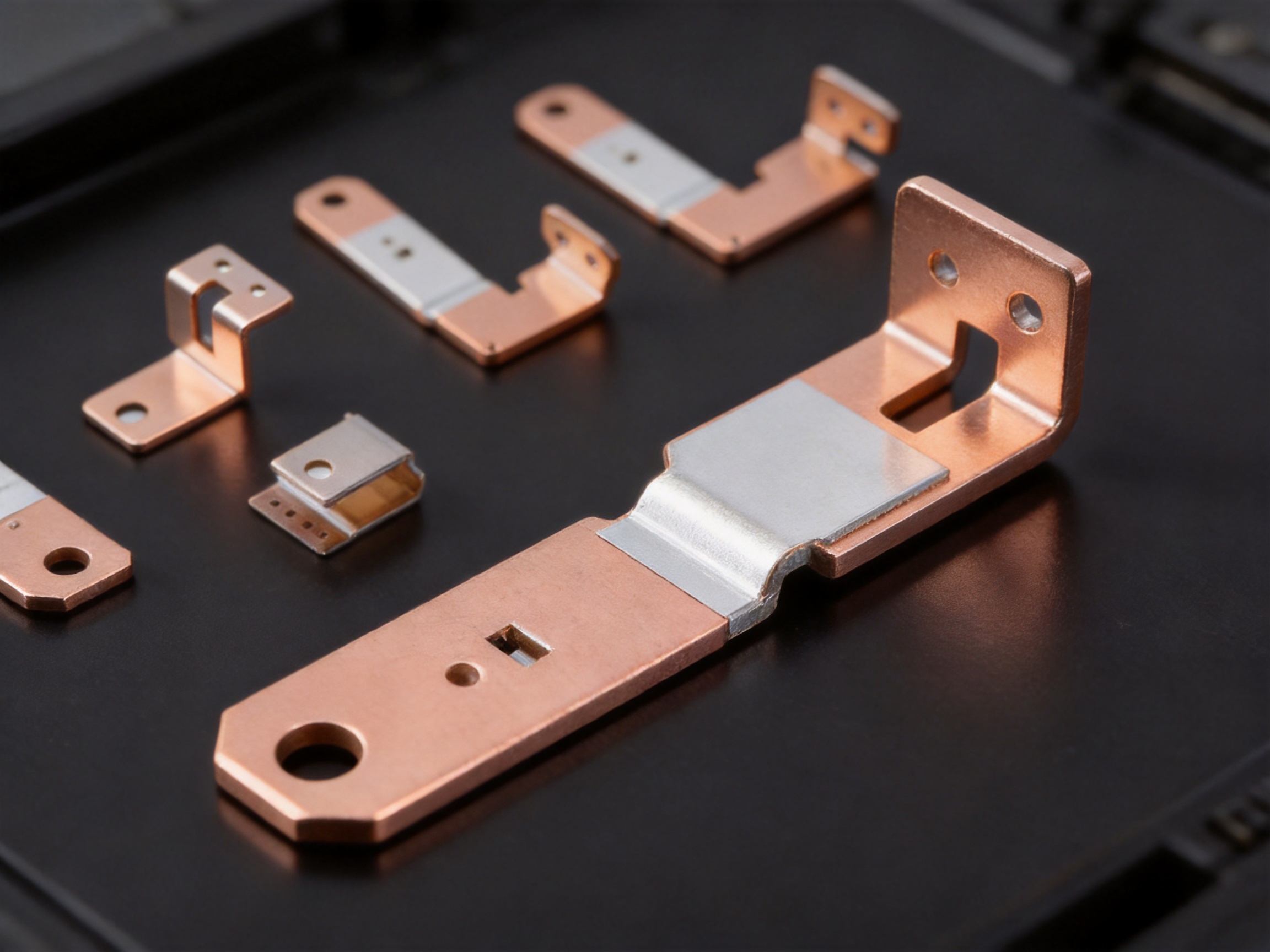
The production of a stationary contact terminal normally follows a controlled sequence. The exact route may change according to the drawing, substrate, silver thickness, surface treatment, and volume requirements, but the principal stages are consistent.
Production begins with a review of the customer’s drawing, sample, or technical specification. Engineers evaluate the material, contact configuration, silver-clad area, thickness, critical tolerances, bend sequence, tooling requirements, inspection methods, and packaging conditions.
This review is also the stage at which potential manufacturing risks can be identified. For example, a very small bend radius may be unsuitable for a particular material temper. A narrow silver strip may require special control during cladding. A deep-drawn structure may need multiple forming stages to avoid cracking or distortion.
Substrate material and silver material are prepared according to the approved specification. Material certificates, thickness, width, surface condition, and composition may be checked before production. Proper material preparation is necessary for stable cladding and stamping performance.
The silver layer is integrated with the substrate through a precision cladding process. The purpose is to achieve controlled silver coverage, stable bonding, and consistent material thickness. Process parameters must be managed to ensure that the silver layer remains continuous in the required contact area and that the bond withstands subsequent forming.
The clad strip or sheet is fed into precision stamping equipment. The material is blanked, pierced, bent, coined, or otherwise formed into the specified terminal geometry. High-speed stamping can deliver efficient production for large quantities while maintaining repeatable dimensions.
Some designs may require additional deep drawing, laser cutting, CNC punching, tapping, threading, welding, or riveting. These operations are selected according to the final product structure and assembly requirements.
Surface treatment is applied when required by the customer’s application. Options may include polishing, nickel plating, zinc plating, powder coating, anodizing, brushing, sandblasting, painting, hot-dip galvanizing, acid pickling, or silkscreen printing. Not every treatment is suitable for the electrical contact area, so the treatment boundaries and functional surfaces must be clearly defined in the drawing.
Finished products are inspected before delivery. Depending on the order, inspection may include dimensional verification, appearance inspection, silver contact position checks, substrate verification, surface treatment checks, and sampling or 100% inspection of critical features.
Inspection reports can be supplied for OEM and ODM projects. Clear documentation helps customers confirm that the parts meet their specifications and supports traceability in their own quality systems.
| Production Stage | Primary Control Focus | Customer Benefit |
| Engineering review | Drawing interpretation, material selection, tooling evaluation | Reduced design risk and clearer production planning |
| Material preparation | Material grade, thickness, surface condition, and certificates | Stable forming and predictable electrical performance |
| Silver cladding | Silver coverage, layer thickness, and metallurgical bonding | Reliable contact interface and reduced need for secondary welding |
| Precision stamping | Dimensions, bends, holes, contact position, and burr control | Improved assembly consistency and repeatable geometry |
| Surface treatment | Coating selection, coverage, adhesion, and functional areas | Improved corrosion protection or appearance where required |
| Final inspection | Critical dimensions, appearance, contact structure, and quantity | Documented quality before delivery |
Power relays require contact components that can handle repeated switching and relatively high electrical loads. The stationary terminal provides the fixed contact point and external connection. Its dimensional accuracy influences the alignment of the relay contact system, while its silver layer supports conductivity and arc resistance.
For relay manufacturers, a customized terminal can be designed around the relay housing, armature movement, contact force, coil structure, and assembly equipment. The terminal may also be adapted for automatic feeding and insertion.
Industrial control modules often operate continuously or switch loads in demanding environments. Temperature variation, electrical noise, vibration, dust, and maintenance requirements can place additional demands on relay components. Stable contact resistance and consistent mechanical positioning help improve the reliability of the complete control module.
Electric vehicle charging equipment contains relays, contactors, terminals, protection devices, and control modules. These systems may switch significant current and must provide dependable operation over many cycles. Stationary contact terminals with integrated silver contact layers can be used in suitable relay and switching structures within charging equipment.
For EV charging applications, the final design must be evaluated against current, voltage, switching frequency, thermal conditions, insulation distance, environmental exposure, and applicable standards. The terminal supplier can support material and geometry customization according to the customer’s electrical design.
Automotive electrical systems require compact, lightweight, and reliable components. Relays and switching modules may be exposed to vibration, temperature changes, humidity, and long operating periods. Precision stamping allows the terminal to be manufactured in compact geometries with repeatable dimensions.
Beryllium Copper, Phosphor Bronze, or Pure Copper T2Y2 can be evaluated according to the required balance of conductivity, strength, spring properties, and formability. The final product can be produced according to automotive drawings and quality requirements, including requirements associated with IATF 16949-based production systems.
Smart home products use relays and control modules to switch lighting, heating, motors, appliances, and other loads. Although these devices may be compact, their switching components must provide consistent performance during repeated operation. A precision stationary contact terminal helps support compact assembly and stable electrical connection.
Energy storage equipment uses electrical switching and protection systems to manage charging, discharging, isolation, and control functions. Relay components in these systems may be subject to high current, thermal cycling, and stringent reliability expectations. Customized contact terminals can be developed for the specific switching architecture and assembly structure.
Different customers require different terminal geometries and electrical characteristics. A standard component may not fit a specific relay housing, assembly line, or switching system. For this reason, the Stationary Contact Terminal with Silver Contact is available for OEM and ODM development.
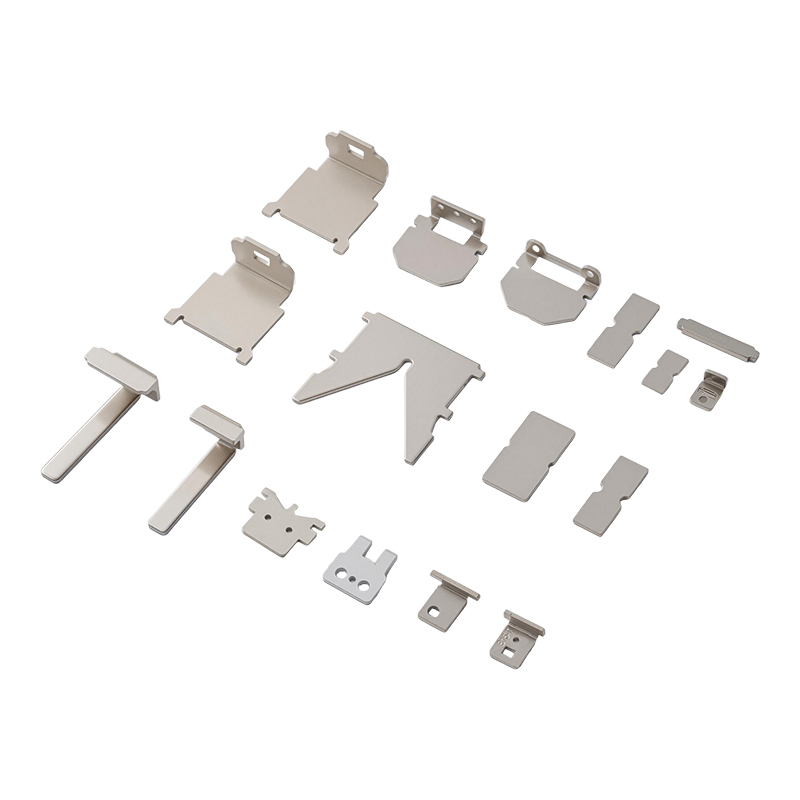
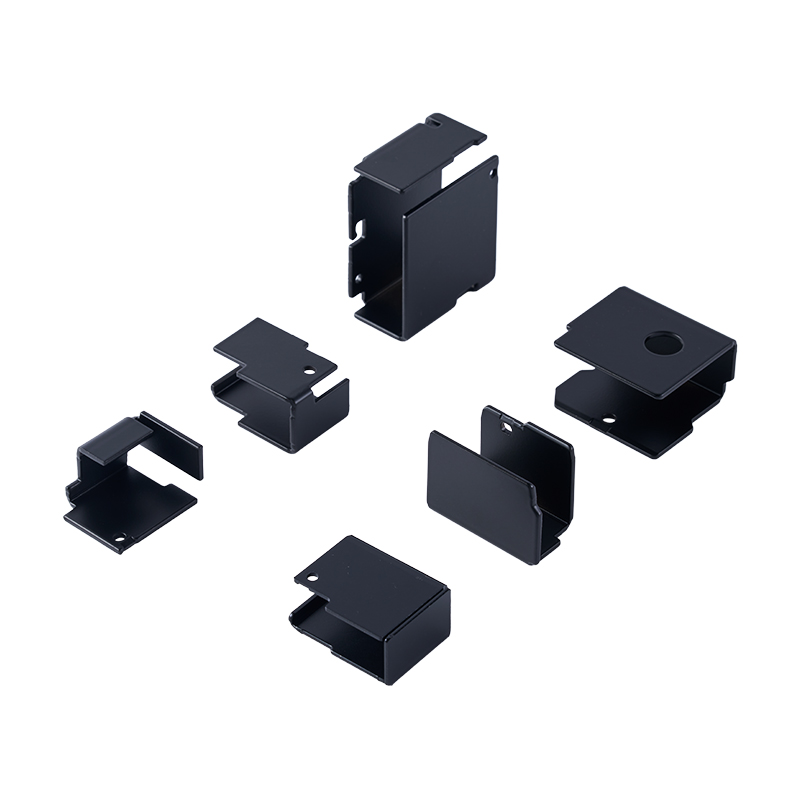
Customization can include substrate material, silver layer thickness, terminal dimensions, hole locations, contact diameter, contact shape, bend angle, mounting structure, surface treatment, packaging, and labeling. Customers may provide CAD files, 3D models, technical drawings, physical samples, or performance requirements.
The substrate can be selected from Beryllium Copper, Phosphor Bronze, Pure Copper T2Y2, or another approved material when technically suitable. Material selection should be based on conductivity, tensile strength, hardness, spring requirements, forming behavior, and environmental conditions.
The silver layer can be adjusted according to the contact duty, current level, expected switching cycles, and cost objectives. The customer and supplier can review the contact structure to determine the appropriate coverage and thickness.
The contact may be designed with different diameters, profiles, heights, or shapes. The correct geometry depends on the movable contact, contact force, relay housing, switching path, and expected wear pattern. Dimensional control is especially important for small contacts because a minor deviation can influence the contact pressure and electrical interface.
Surface treatments can be selected for corrosion protection, mechanical durability, appearance, solderability, weldability, or insulation-related requirements. The treatment should be applied only where it is compatible with the intended electrical function. In some cases, the silver contact area must remain untreated while the terminal body receives a protective coating or plating.
Packaging can be adapted to the customer’s production process. Options may include bulk packaging, trays, reels, compartmentalized packaging, protective separators, moisture protection, labels, and customized cartons. Proper packaging helps prevent deformation, contamination, scratching, and mixing during transport and storage.
A reliable electrical component supplier must provide more than production equipment. It must have a structured quality system, capable engineering personnel, controlled tooling, stable material management, inspection resources, and responsive technical support.
Zhejiang Taoyang Electronics Co., Ltd. was founded in 2010 and specializes in hardware supporting products and solutions for electronic and electrical products, relays, current transformers, electricity meters, new energy systems, energy storage equipment, and automotive applications. This industry focus provides experience in producing customized conductive and stamped parts for demanding electrical applications.
The company has obtained ISO 9001, ISO 45001, ISO 14001, and IATF 16949 certifications. These certifications reflect structured approaches to quality management, occupational health and safety, environmental management, and automotive quality requirements. Its products have also passed RoHS and REACH-related testing requirements, supporting customers that need controlled material compliance.
The company places emphasis on mold and tooling design, in-process quality control, production capacity, and after-sales service. Independently developed technologies and ongoing process innovation support the development of customized hardware products for domestic and overseas customers.
In-house or closely controlled tooling development can shorten communication cycles and improve the connection between product design and production. Engineers can review the customer’s drawing, identify forming risks, and optimize the stamping sequence before mass production.
Automatic inspection can help identify dimensional deviations, missing features, surface defects, incorrect orientation, and other production issues. When combined with manual verification and process audits, automatic inspection supports stable output for large-volume orders.
High-speed stamping and organized production planning allow the supplier to support both regular and customized orders. Consistent batch performance is particularly important for relay and electrical equipment manufacturers that need to maintain uninterrupted assembly schedules.
Technical support may include drawing review, material recommendations, prototype development, tooling consultation, sample production, inspection reporting, and engineering communication. This support helps customers move from an initial concept or sample to a repeatable mass-production solution.

The stationary contact terminal is one part of a larger electrical system. Its performance depends on how it is integrated into the relay or switching assembly. Customers should consider contact force, alignment, current load, voltage, switching frequency, environmental temperature, humidity, vibration, insulation requirements, and expected operating life.
Contact pressure must be high enough to maintain a stable conductive interface but not so high that it creates excessive mechanical wear or actuator load. The contact surfaces should align correctly to avoid edge contact and localized heating. The terminal mounting area must be strong enough to resist movement during assembly and operation.
Arc management is also important. The relay design may include arc suppression, magnetic blowout, insulation barriers, or other methods to control switching energy. The silver contact layer supports arc resistance, but the complete switching system must be evaluated under the intended load conditions.
Environmental conditions can influence oxidation, corrosion, surface contamination, and material stability. When the product is intended for automotive, outdoor, charging, or energy storage applications, the customer should provide the expected temperature range, humidity exposure, vibration profile, and chemical environment. This information helps determine material and surface treatment requirements.
For regular orders, the typical lead time is approximately six to eight weeks. Custom products generally require approximately five to nine weeks after receipt of payment, depending on tooling, material preparation, sample approval, process complexity, and production quantity.
The minimum order quantity is 100 pieces. Stock samples are available for evaluation, while OEM and ODM samples can be produced according to customer drawings or physical samples. Sample development is useful for checking fit, contact position, assembly compatibility, surface quality, and preliminary electrical performance before volume production.
| Commercial Item | Available Arrangement |
| MOQ | 100 pieces |
| Regular Lead Time | Approximately 6–8 weeks |
| Custom Product Lead Time | Approximately 5–9 weeks after payment, subject to project conditions |
| Regular Order Payment | 100% T/T |
| Sample Order Payment | Full payment required |
| Bulk Order Payment | 50% T/T advance payment and balance before delivery |
| Trade Terms | EXW or CIF |
| Sample Availability | Stock samples and customized OEM/ODM samples |
| Packaging | Standard or customized bulk-order packaging |
Before placing an order, customers should confirm the drawing revision, material grade, silver layer specification, critical tolerances, surface treatment, inspection requirements, packaging method, delivery terms, and applicable compliance documentation. Clear technical documentation helps prevent delays and ensures that the supplied terminal matches the intended assembly.
To accelerate quotation and engineering review, customers can provide the following information:
Providing this information allows the supplier to evaluate manufacturability, recommend suitable materials, select the correct production route, and prepare a more accurate quotation and delivery schedule.
A stationary contact terminal provides a fixed electrical contact and external conductive connection in relays, switching modules, industrial control equipment, EV charging piles, automotive electrical systems, smart home devices, energy storage systems, and related electrical products.
The silver layer is metallurgically bonded to the conductive substrate during the cladding process. This provides a stable contact interface, supports conductivity and arc resistance, improves bonding reliability, and eliminates the need for a separate silver welding operation in the final terminal production process.
Yes. The substrate material, silver layer thickness, contact dimensions, terminal structure, bend angles, surface treatments, inspection requirements, and packaging can be customized according to customer drawings, samples, or technical specifications.
Common options include Beryllium Copper, Phosphor Bronze, and Pure Copper T2Y2. The best material depends on the required conductivity, strength, spring characteristics, formability, environmental resistance, and cost target.
The primary process is precision stamping. Additional processes may include silver cladding, deep drawing, laser cutting, CNC punching, bending, threading, welding, tapping, and riveting. Surface treatments can also be applied when required by the application.
The product can be manufactured with tolerances up to ±0.01 mm for suitable features and controlled production conditions. The achievable tolerance depends on material, geometry, feature size, tooling, and inspection method.
Yes. Stock samples are available, and customized OEM or ODM samples can be produced from customer drawings or physical samples. Samples allow customers to verify dimensions, assembly fit, contact position, and initial performance before mass production.
Yes. The product specification includes 100% quality inspection before delivery. The inspection plan can be adapted to the customer’s critical dimensions, appearance standards, contact structure, and documentation requirements.
Yes. The terminal is suitable for various automotive electrical systems when the material, geometry, contact design, environmental conditions, and applicable automotive requirements are properly evaluated. The supplier maintains IATF 16949 certification and supports customized automotive components.
The appropriate thickness depends on current, voltage, switching frequency, contact pressure, expected cycle life, load type, environment, and the complete relay design. Customers should provide application data so the supplier can recommend a suitable structure.
Commonly accepted formats include 3D models, CAD files, DWG, IGS, and STP. Physical samples can also be used as a reference for reverse engineering, sample development, or OEM and ODM production.
Regular orders generally require six to eight weeks. Custom products generally require five to nine weeks after payment, although the final schedule depends on tooling, material availability, sample approval, product complexity, and order quantity.
The Stationary Contact Terminal with Silver Contact is designed to address the electrical, mechanical, and manufacturing requirements of modern relay and switching systems. Its integrated silver-clad structure provides a reliable conductive contact, supports arc and oxidation resistance, and reduces the need for secondary silver welding. Combined with precision stamping and controlled inspection, the product offers stable dimensions, repeatable contact positioning, and consistent batch performance.
The component is suitable for power relays, industrial control modules, EV charging piles, automotive electrical systems, smart home devices, energy storage products, and other electrical equipment. Material options include Beryllium Copper, Phosphor Bronze, and Pure Copper T2Y2, while the terminal geometry, silver layer thickness, surface treatment, and packaging can be customized for specific applications.
Zhejiang Taoyang Electronics Co., Ltd. supports the product with precision cladding, high-speed stamping, tooling design, automatic inspection, OEM and ODM production, technical support, and documented quality management. Its ISO 9001, ISO 45001, ISO 14001, and IATF 16949 certifications, together with RoHS and REACH-related compliance capabilities, provide a structured foundation for serving electrical, automotive, new energy, and energy storage customers.
For buyers seeking a reliable custom metal-stamped copper and silver contact solution, the most important considerations are not only material price and component appearance. Contact structure, bonding reliability, dimensional accuracy, production consistency, inspection capability, technical communication, and long-term supply support are equally important. By combining integrated silver cladding with precision manufacturing, this stationary contact terminal provides a practical solution for demanding electrical contact applications.
1. IEC 61810 series, Electromechanical Elementary Relays.
2. IEC 60947 series, Low-Voltage Switchgear and Controlgear.
3. IATF 16949, Quality Management System Requirements for Automotive Production and Relevant Service Parts Organizations.
4. ISO 9001, Quality Management Systems — Requirements.
5. ISO 14001, Environmental Management Systems — Requirements with Guidance for Use.
6. ISO 45001, Occupational Health and Safety Management Systems — Requirements with Guidance for Use.
7. RoHS, Restriction of Hazardous Substances requirements for electrical and electronic equipment.
8. REACH, Registration, Evaluation, Authorisation and Restriction of Chemicals requirements.
9. General principles of electrical contact materials, relay contact design, and precision metal stamping engineering.
10. Manufacturer-provided technical information for Stationary Contact Terminal with Silver Contact, including material options, manufacturing processes, customization capabilities, inspection, packaging, and commercial conditions.





 English
 русский
 Français
 日本語
 Español
 Deutsch
 عربى
 Indonesia
 +86-18257772883