
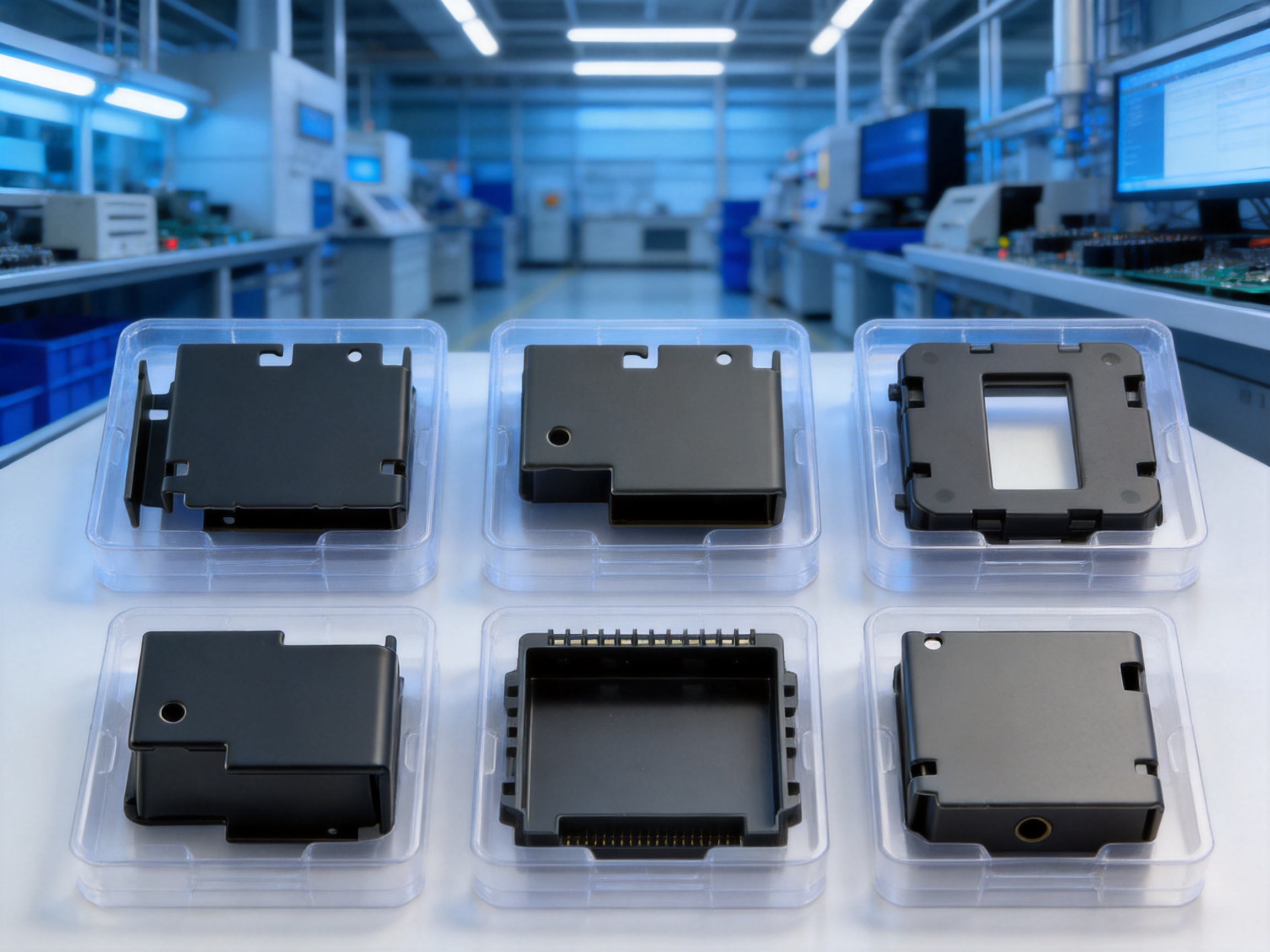
Modern electronic devices increasingly depend on compact, high-speed and highly integrated components. As circuit density rises and wireless communication becomes more widespread, electromagnetic interference has become a critical design consideration. Uncontrolled electromagnetic energy can cause signal distortion, communication errors, unstable operation, unwanted emissions and reduced product reliability. For this reason, electronic manufacturers require shielding components that combine effective electromagnetic protection with dimensional accuracy, durability and efficient mass-production capability.
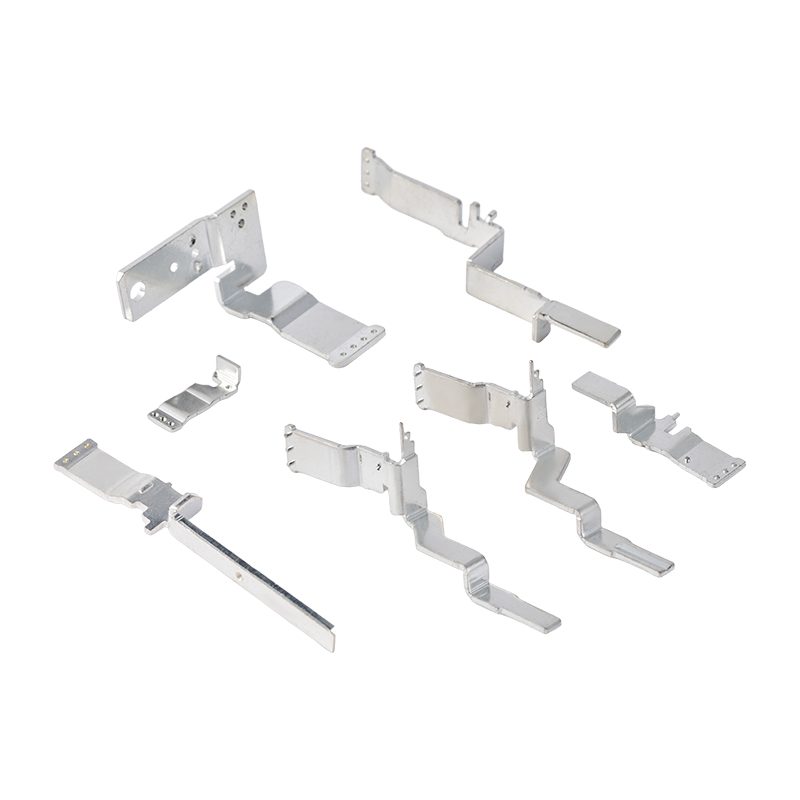
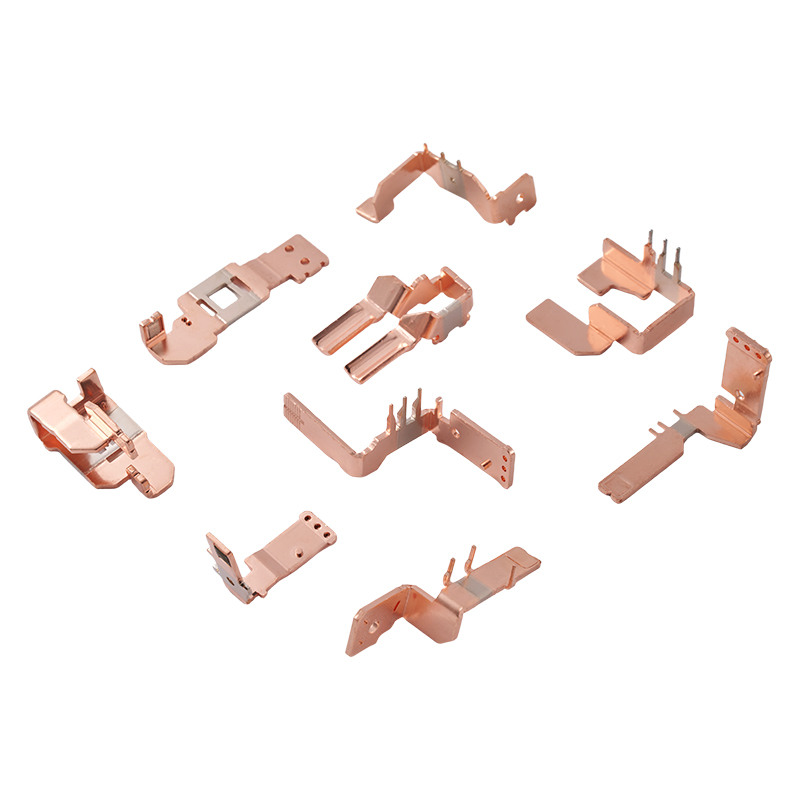
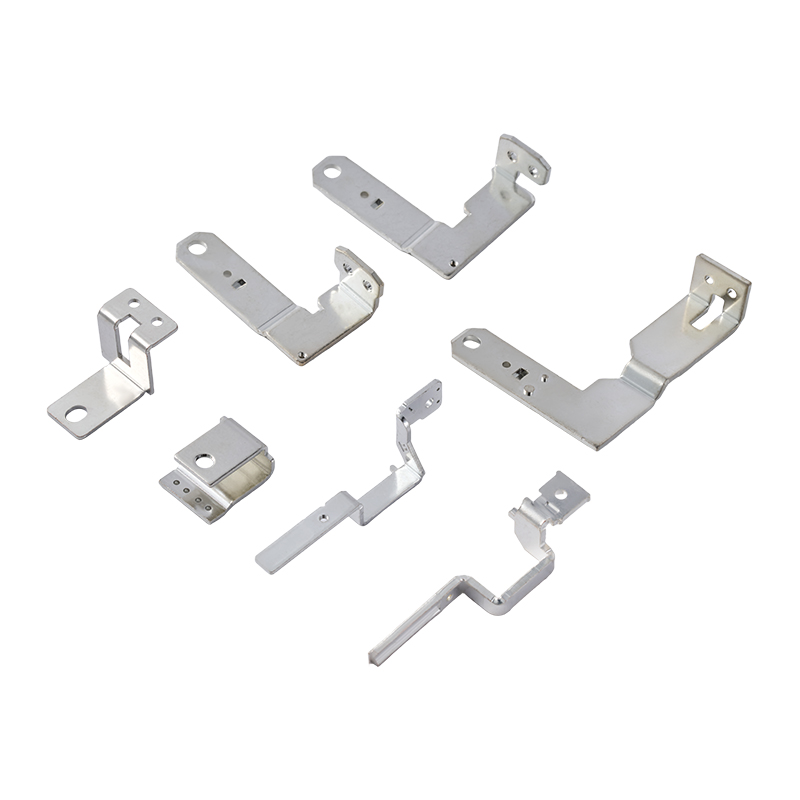
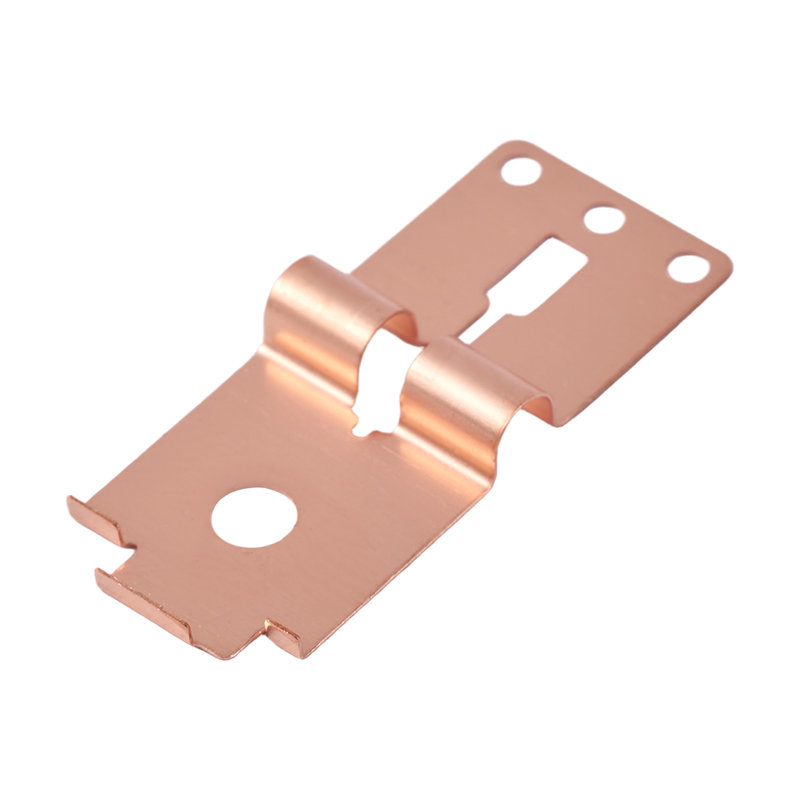
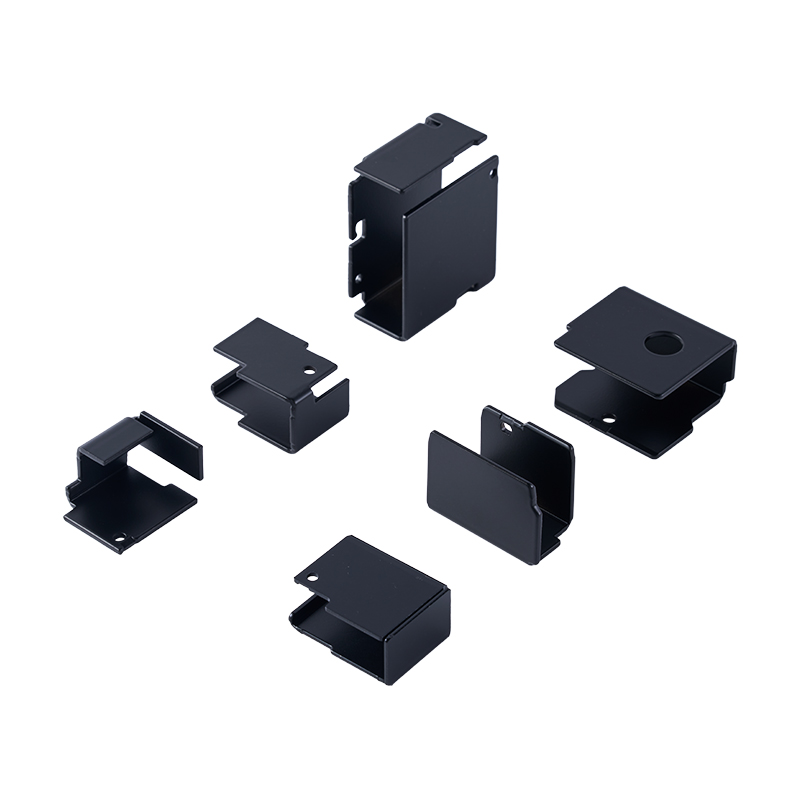
The Powder-Coated Shield Cover is designed to meet these requirements. Manufactured from cold-rolled steel or stainless steel through precision stamping and electrostatic powder coating, it provides a practical combination of metal-based electromagnetic shielding and a durable insulated surface. The product is suitable for printed circuit boards, chipsets, integrated circuit modules, camera modules, wireless communication modules, consumer electronics and industrial electronic equipment.
Unlike a basic uncoated metal cover, this product adds a protective powder-coated finish that improves electrical insulation, corrosion resistance, coating durability and wear resistance. Unlike plastic shielding solutions, it retains the structural rigidity and electromagnetic shielding characteristics of a metallic substrate. This balance makes the Powder-Coated Shield Cover suitable for compact electronic assemblies in which mechanical stability, signal integrity and long service life are equally important.
Zhejiang Taoyang Electronics Co., Ltd. supports the production of these shielding parts with precision tooling, automated stamping, dust-free coating, inspection systems and customized OEM manufacturing. The company’s capabilities allow customers to obtain not only a finished shield cover, but also engineering support, material selection, structural development, sample production, quality documentation and stable batch delivery.
Electromagnetic interference is generated whenever electrical current changes, circuits switch at high speed or wireless signals are transmitted. Sensitive electronic components can both emit and receive electromagnetic energy. Without suitable shielding, interference may travel through the air, through conductive structures or along cables and circuit paths.
A shield cover creates a conductive enclosure or partial enclosure around sensitive components. When properly designed and installed, the metal structure helps redirect or attenuate electromagnetic energy. It can reduce coupling between adjacent circuits, lower the risk of signal crosstalk and help protect sensitive components from external interference.
Shielding is especially important in products that contain multiple electronic functions within a limited space. A mobile communication module, for example, may include radio-frequency circuits, power-management components, processors, sensors and high-speed interfaces. These circuits can operate at different frequencies and power levels. A precisely formed metal cover helps separate sensitive areas and contributes to improved electromagnetic compatibility.
In automotive electronics, industrial controllers, energy-storage systems and electrical equipment, shielding parts may also help protect control circuits from switching noise, motor-related interference and high-current power paths. The exact shielding performance depends on the cover geometry, material, thickness, contact arrangement, grounding design, assembly method and frequency range. Therefore, the shield cover must be designed as part of the complete electronic system rather than treated as an isolated stamped component.
The Powder-Coated Shield Cover is a precision metal shielding component manufactured for electronic and electrical assemblies. The standard material options are cold-rolled steel and stainless steel. These materials can be stamped into compact covers with formed walls, flanges, openings, mounting features and other structural details required by the customer’s design.
After forming, the cover receives electrostatic powder coating. In this process, electrically charged powder particles are applied to the prepared metal surface and then cured to create a continuous protective layer. The coating can be specified according to the insulation, appearance, corrosion-resistance and wear-resistance requirements of the application.
The product can be manufactured according to customer drawings, three-dimensional models, technical specifications or physical samples. Customized dimensions, wall structures, openings, mounting points, coating colors, surface finishes and packaging arrangements are available for OEM and ODM projects.
| Item | Specification |
|---|---|
| Product Name | Powder-Coated Shield Cover |
| Primary Application | Electromagnetic shielding for electronic and electrical assemblies |
| Available Materials | Cold-rolled steel and stainless steel |
| Manufacturing Process | Precision stamping and electrostatic powder coating |
| Dimensional Tolerance | Up to ±0.01 mm according to design and process requirements |
| Additional Processes | Deep drawing, laser cutting, bending, CNC punching, threading, welding, tapping and riveting |
| Surface Options | Powder coating, polishing, nickel plating, zinc plating, anodizing, brushing, sandblasting, painting and acid pickling |
| Drawing Formats | 3D, CAD, DWG, IGS and STP |
| Inspection | 100% QC inspection before delivery |
| Minimum Order Quantity | 100 pieces |
The metal substrate is the primary structural and shielding element of the cover. However, an uncoated metal surface may not satisfy every application requirement. It can be vulnerable to oxidation, scratches, handling marks and accidental contact with adjacent conductive parts. Powder coating addresses several of these concerns in one finishing operation.
The powder-coated surface can reduce the risk of unintended electrical contact between the shield cover and nearby conductive components. This is particularly useful when the cover must be mechanically close to a circuit board, connector, cable, bracket or housing but must not create an electrical short circuit.
Coating thickness, edge coverage and contact areas must be controlled according to the assembly design. In some applications, specific grounding points or contact zones may remain uncoated. These requirements can be incorporated into the masking and coating process so that the cover provides insulation where needed while retaining reliable electrical connection where required.
Electronic products may operate in environments exposed to humidity, temperature changes, dust, handling contamination or mildly corrosive substances. A properly prepared and cured powder-coated surface helps protect the underlying steel from environmental exposure. Stainless steel provides an additional material option when the application requires enhanced corrosion resistance or a specific mechanical and visual performance.
Shield covers may be handled during assembly, inserted into housings or positioned near other components. A durable coating helps reduce surface damage caused by normal handling and contact. Improved wear resistance supports a more consistent appearance and reduces the chance that exposed metal areas will develop during production or installation.
Long-term performance depends not only on the powder material but also on surface preparation, application uniformity and curing conditions. Strong adhesion helps prevent peeling, flaking and premature coating failure. Taoyang’s dust-free coating operation and process control are intended to support stable coating quality across production batches.
Powder coating can provide a consistent surface appearance and may be specified in different colors or finishes. This is useful when shield covers must match a product housing, identify a functional module or satisfy the visual requirements of a consumer-electronics assembly. Color and finish can be customized for OEM production subject to coating material availability and technical requirements.
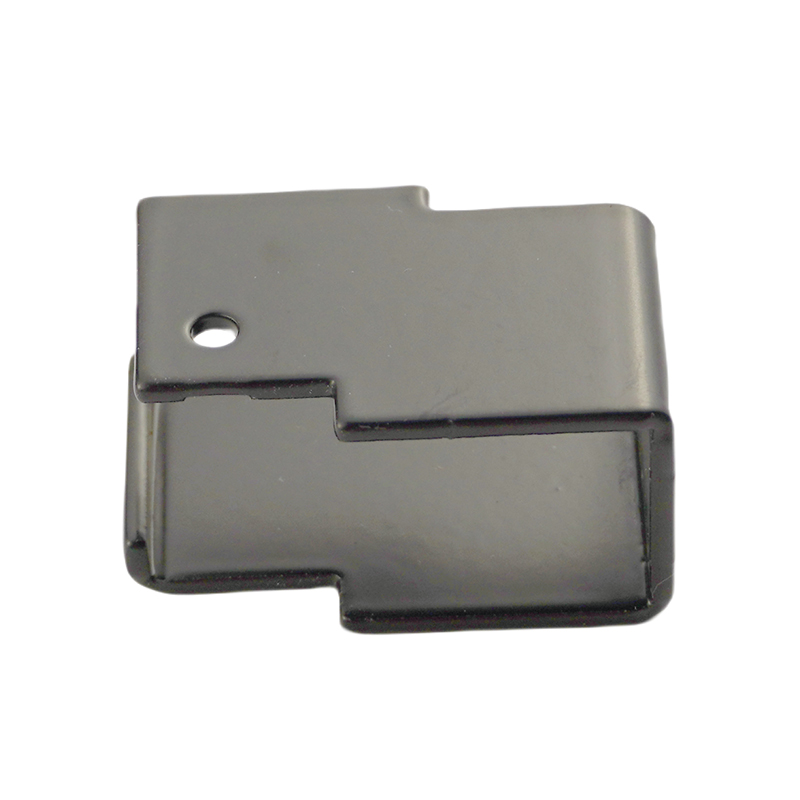
Powder-Coated Shield Cover
Material selection affects shielding behavior, formability, mechanical strength, corrosion resistance, weight, cost and surface-finishing requirements. The best material depends on the operating environment and the design of the electronic assembly.
Cold-rolled steel is widely used for precision stamped components because it provides a practical combination of dimensional stability, formability, strength and cost efficiency. Its smooth surface is suitable for controlled coating processes, while its conductive metal structure supports electromagnetic shielding.
For many indoor electronic devices, industrial controllers, relay assemblies and general-purpose electronic modules, cold-rolled steel can provide an economical and reliable solution. It is also suitable for designs that require formed edges, mounting flanges, drawn sections or other stamped features.
Stainless steel may be selected when enhanced corrosion resistance, surface durability or a particular mechanical performance is required. It can be beneficial in equipment exposed to humidity, temperature variation or demanding service conditions. Stainless steel can also support applications in which the visible or accessible surface must maintain a stable appearance over an extended period.
Because stainless steel may require different forming, tooling and finishing parameters from cold-rolled steel, material selection should be confirmed during the engineering stage. The customer’s technical requirements, shielding objectives, installation conditions and target production volume should all be considered.
Taoyang can support customized material selection based on the product’s operating environment and technical objectives. Important factors include the required shielding effectiveness, coating compatibility, mechanical loading, expected service temperature, corrosion exposure, contact configuration, component weight and cost target.
Material recommendations should be confirmed through drawings, prototypes and, where necessary, application testing. This approach helps prevent problems caused by selecting a material solely on the basis of price or general availability.
Precision stamping is the core manufacturing process for producing repeatable metal shield covers. It uses dedicated dies and controlled forming operations to cut, bend, draw and shape sheet metal into the required geometry. Compared with manual fabrication, precision stamping provides improved repeatability, faster production and better suitability for large quantities.
A shield cover may include multiple features, such as vertical walls, corner radii, mounting tabs, ventilation openings, grounding points, embossed sections, slots and interlocking structures. Each feature affects the cover’s fit, rigidity and shielding function. Tooling design must therefore account for material thickness, bend allowance, springback, forming direction and the sequence of operations.
Accurate tooling is essential for maintaining dimensional consistency. Taoyang is recognized for mold and tooling design and can develop production tooling based on customer drawings or samples. During tooling development, engineers evaluate the part geometry, material behavior, production quantity, inspection requirements and expected assembly conditions.
Proper die design helps control burrs, deformation and dimensional variation. It also supports efficient production by reducing unnecessary operations and allowing suitable automation. For customized parts, the tooling stage is an important opportunity to identify potential interference, weak corners, difficult bends or areas where coating coverage may be inconsistent.
The product can be manufactured with a dimensional tolerance of ±0.01 mm according to the feature, material, tooling and process requirements. Such accuracy supports stable assembly in compact electronic products, where even small deviations may affect component clearance, cover seating or contact performance.
Not every feature necessarily requires the same tolerance. Critical mounting points, contact surfaces and reference dimensions may require tighter control than non-functional exterior areas. A rational tolerance plan helps balance performance and manufacturing cost while ensuring that critical characteristics remain within specification.
Stable repeatability is particularly important for OEM customers. A prototype may meet the design requirements, but the production process must continue to produce acceptable parts over many batches. Automated stamping, controlled tooling maintenance and in-process inspection help reduce variation and support consistent dimensions from the first production run to later replenishment orders.
Powder coating is a dry finishing process that applies finely divided coating particles to the prepared metal surface. The particles are electrostatically charged and attracted to the grounded workpiece. After application, the coated part is heated so that the powder melts, flows and cures into a continuous finish.
The process requires control of several variables. Surface cleanliness affects adhesion. Powder selection affects insulation, appearance and durability. Application voltage and spray coverage affect uniformity. Curing temperature and time affect the final mechanical properties of the coating. Masking and fixture design affect whether critical contact areas remain available.
Before coating, the metal part must be free from oil, dust, loose particles and other contaminants. Surface preparation may include cleaning, degreasing, mechanical treatment or chemical treatment depending on the material and coating specification. Proper preparation supports uniform coverage and reduces the risk of adhesion failure.
Dust and foreign particles can affect surface appearance and may interfere with the function of a shield cover in a compact electronic assembly. Taoyang uses dust-free powder-coating conditions to help maintain a cleaner finish and improve batch consistency. A controlled environment is particularly valuable for products with visible surfaces or strict appearance requirements.
Curing must be controlled so that the powder develops the intended hardness, adhesion and insulation properties. Insufficient curing may reduce durability, while excessive heat may affect the substrate, dimensions or adjacent masked areas. Consistent process parameters and inspection records help ensure that the finished cover performs reliably during handling and service.
Customers evaluating shielding components often compare multiple solutions, including bare stamped covers, plated metal parts, machined enclosures, conductive plastics and imported standard components. The Powder-Coated Shield Cover offers several advantages when the design requires a balance of shielding, insulation, durability and production flexibility.
A bare metal cover can provide electromagnetic shielding, but it may create unwanted conductive contact and may have limited resistance to surface damage or corrosion. The powder-coated version adds a protective insulating surface without replacing the metal substrate. This allows designers to combine conductive shielding performance with controlled surface contact.
Powder coating creates a solid cured film that can provide good wear resistance and coating adhesion. Compared with some conventional liquid-paint systems, it can offer a robust finish with consistent coverage and without relying on solvent-heavy application methods. The appropriate coating system must still be selected for the specific environment and performance requirements.
Conductive plastics may be attractive for certain designs, but they can have different mechanical, thermal and shielding characteristics from steel. A stamped metal cover generally provides higher structural rigidity and a more predictable formed enclosure. It is therefore suitable for assemblies that require a thin but mechanically stable protective component.
Standard shielding covers may not fit a customer’s circuit layout, mounting arrangement or clearance requirements. Custom stamping allows the cover to follow the actual product geometry. Customers can specify openings, tabs, bends, wall heights, contact zones, surface finishes and packaging according to their assembly process.
Once tooling and process parameters are established, precision stamping is well suited to repeated production. Automated production and 100% QC inspection support consistent quality for ongoing orders. This is especially valuable to relay, electronics, automotive and industrial equipment manufacturers that require scheduled deliveries and stable replacement supply.
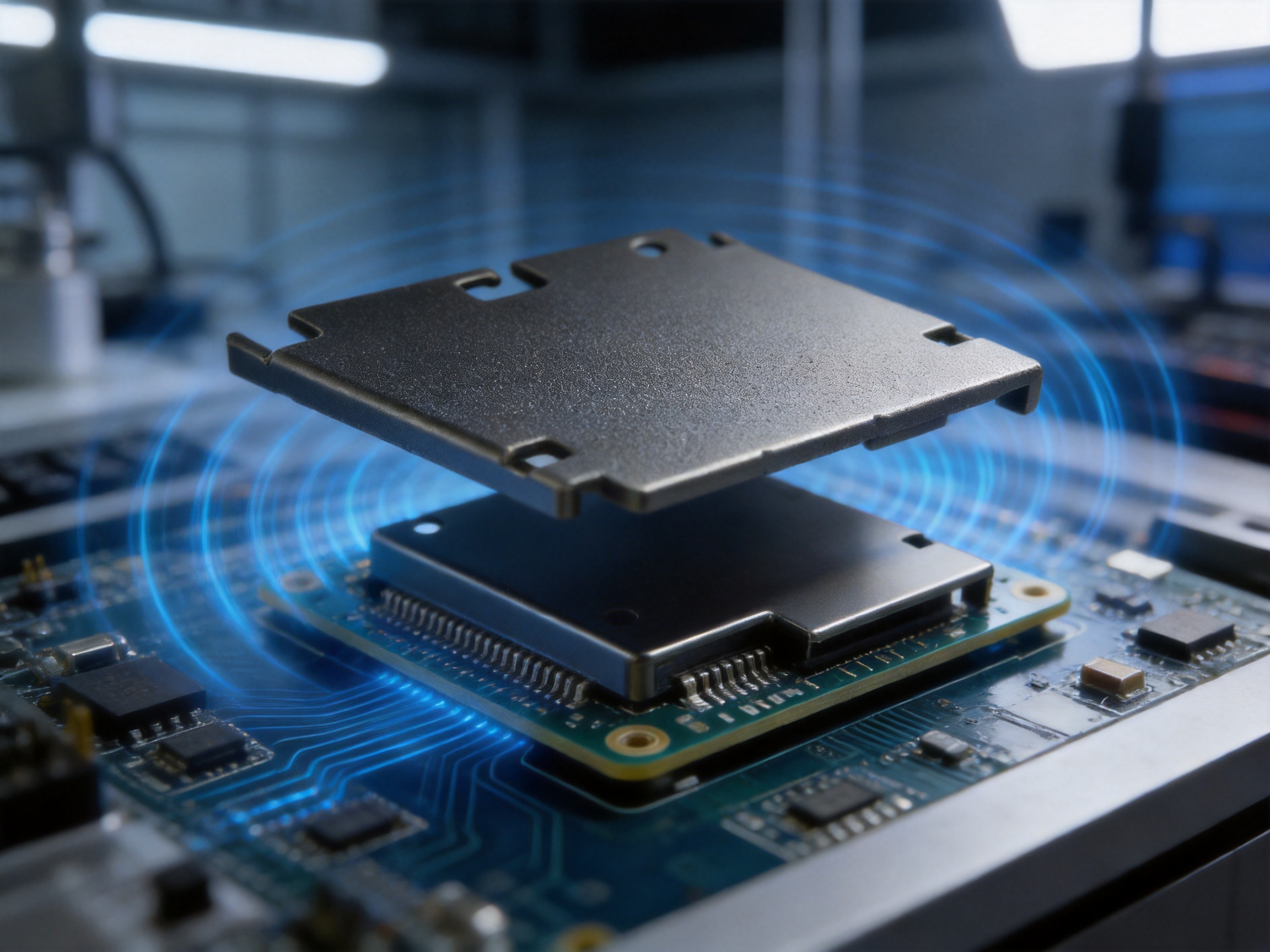
On PCBs, shield covers are used to isolate sensitive circuits, radio-frequency sections, processors, sensors and communication interfaces. The cover may be mounted directly to the board, attached to a frame or integrated into a larger housing. Precision dimensions help ensure clearance from components and reliable placement during assembly.
High-performance chipsets can generate heat and electromagnetic energy while also remaining sensitive to interference from nearby circuits. A shield cover can help separate the chipset area from other functional regions of the device. Structural features such as ventilation openings, mounting supports and contact points can be customized according to thermal and electrical requirements.
Camera modules often combine image sensors, processors, wireless interfaces and miniature mechanical structures. Electromagnetic interference may affect image quality or communication stability. A precisely formed cover can help protect sensitive areas while maintaining the compact dimensions required by the camera assembly.
Wireless modules require careful control of electromagnetic energy. Shielding may be used to reduce unwanted coupling between radio-frequency circuits, power circuits and digital processing sections. The design must account for antenna location, grounding, openings and contact areas. Powder coating can be applied selectively where insulation is required.
Consumer products often demand a combination of small size, attractive appearance, cost control and high production volume. Powder-coated shield covers can support these requirements through customized shapes, controlled surface finishes and repeatable stamping production. Consistent appearance is also important when the cover is visible during assembly or service.
Industrial equipment may operate continuously and may be exposed to dust, vibration, humidity or temperature changes. Shield covers used in controllers, monitoring equipment, power-management assemblies and communication systems must therefore provide reliable mechanical protection and stable surface performance. Material and coating specifications can be adapted to the application environment.
Relays and related electrical products may contain switching elements and control circuits that produce electrical noise. A shield cover can help manage interference around sensitive portions of the assembly. Its stamped structure can also be integrated with other relay hardware or mounting components according to the customer’s design.
New-energy products and energy-storage systems contain power electronics, monitoring circuits and communication functions. Shielding components may be used around control modules, sensors and electronic interfaces to help reduce interference generated by switching devices and high-current paths. The final design must be evaluated according to voltage, current, thermal and environmental conditions.
Automotive electronic assemblies require components that can withstand vibration, temperature changes and long operating periods. Shield covers may be used in control units, sensors, communication modules and other vehicle electronics. Stainless steel or coated steel can be selected according to corrosion exposure, weight requirements and mechanical conditions.
A major advantage of working with an experienced custom manufacturer is the ability to coordinate design, tooling, forming, surface treatment and inspection through one production system. This reduces communication gaps between suppliers and makes it easier to manage technical changes.
Taoyang provides integrated precision cladding, high-speed stamping and automatic inspection capabilities. The company can also support laser cutting, CNC punching, bending, welding, threading, tapping, riveting and other precision machining processes. These capabilities allow the supplier to manufacture shield covers with additional structural features instead of requiring the customer to coordinate multiple subcontractors.
Laser cutting can be used for prototypes, low-volume development or geometries that require flexible cutting. It is helpful during the early design stage when the customer wants to verify fit before committing to final stamping tooling.
CNC punching is suitable for producing openings, slots and repeated features with controlled positioning. It may be used as a complementary process for shield covers with complex flat patterns or moderate production quantities.
Bending creates walls, flanges and support features that determine how the cover fits into the assembly. Controlled bending helps maintain the intended angle and position of each feature. For parts with deeper or more complex geometry, deep drawing and multi-stage forming may also be considered.
Some shield covers require additional brackets, threaded features, welded structures or riveted components. These operations can be incorporated into the production plan where appropriate. Combining processes under one supplier can improve dimensional coordination between the shield cover and its attached hardware.
Shielding components may appear simple, but their performance depends on many details. A small dimensional error can affect assembly clearance. A burr can damage a circuit board or interfere with contact. Uneven coating can affect insulation or appearance. Inconsistent forming can create gaps that reduce shielding effectiveness.
Taoyang applies 100% QC inspection before delivery. Inspection may include dimensional verification, visual inspection, coating assessment, burr checks, structural checks and packaging confirmation according to the customer’s requirements. Inspection reports can be provided for OEM and ODM projects when required.
Critical dimensions are measured against approved drawings or inspection standards. Reference points, mounting locations, wall heights, openings and overall dimensions are reviewed to ensure compatibility with the customer’s assembly.
The powder-coated surface is checked for visible defects such as particles, pinholes, scratches, uneven coverage, discoloration or coating damage. The inspection criteria can be defined based on whether the component is internal, externally visible or used in a high-appearance product.
Where suitable, sample parts or production parts may be checked in a mating fixture or customer-supplied assembly. Such checks help confirm that the cover seats correctly, that contact areas remain accessible and that no interference occurs with adjacent components.
Stable production benefits from documented tooling conditions, coating parameters, inspection methods and material information. This documentation supports traceability and provides a foundation for continuous improvement and repeat orders.
Customization begins with a clear understanding of the customer’s product, environment and performance objectives. The customer may provide a 2D drawing, 3D model, sample component or preliminary concept. Taoyang’s engineering team can then evaluate manufacturability and recommend suitable processes.
The design review examines material thickness, bend radii, corners, openings, mounting points, grounding areas, coating zones and assembly clearances. Potential manufacturing risks are identified before tooling begins. This can reduce later design changes and shorten the development cycle.
Stock samples are available for evaluation when appropriate. OEM and ODM samples can also be produced from drawings or physical samples. Prototype production allows the customer to verify fit, appearance, assembly sequence and functional requirements before bulk manufacturing.
After the design is approved, production tooling is developed or modified. Tooling materials, die structure and inspection requirements are selected according to the expected production volume and part complexity. The customer may review sample results before mass production is released.
Once the sample and process are confirmed, automated stamping and powder coating are used for repeatable production. Production scheduling is coordinated according to order quantity, tooling status, material availability and coating requirements.
Packaging can be customized for bulk orders. Proper packaging helps protect coated surfaces, prevent deformation and maintain part separation during transportation. Trade terms include EXW or CIF, allowing customers to select the arrangement that best suits their procurement process.

Zhejiang Taoyang Electronics Co., Ltd. was founded in 2010 and specializes in hardware supporting products and solutions for electronic and electrical products, relays, current transformers, electricity meters, new energy, energy storage and automotive applications.
The company’s experience across these industries provides a practical understanding of the requirements associated with precision metal components. Its production activities include tooling development, stamping, surface treatment, inspection and customized OEM manufacturing. This integrated structure supports projects that require both engineering flexibility and stable production capacity.
Quality management is a central part of the company’s manufacturing system. Taoyang has obtained ISO 9001, ISO 45001, ISO 14001 and IATF 16949 certifications. Its products have also passed relevant tests including RoHS and REACH requirements. These certifications and compliance capabilities are important for customers supplying regulated markets and international OEM programs.
The company places strong emphasis on process control, mold and tooling design, manufacturing capacity and after-sales service. Its technical team supports customized products based on drawings, samples and customer specifications. The company also maintains independently developed core technologies and serves more than 100 leading customers in China and overseas.
Taoyang has been recognized as a Technology-based Small and Medium-sized Enterprise and a National High-tech Enterprise. Its ongoing focus on technological, managerial and product innovation helps it respond to changing requirements in electronics, automotive components, energy storage and new-energy applications.
Purchase price is only one part of the total cost of a shielding component. Design changes, tooling delays, poor fit, rework, coating defects, assembly interruptions and inconsistent deliveries can create additional expenses. A well-managed custom manufacturing program helps control these indirect costs.
Precision stamping reduces the need for repeated manual operations. Stable tooling improves repeatability and limits scrap. Integrated coating avoids unnecessary transportation between separate suppliers. 100% inspection helps prevent defective parts from reaching the customer’s assembly line. Customized packaging reduces the risk of damage during shipping and handling.
For ongoing OEM production, a reliable supplier can also help manage replenishment orders, process improvements and engineering changes. If the customer modifies the circuit layout or housing, the supplier can review whether the existing tooling can be adjusted or whether a new tool is needed.
A shield cover cannot compensate for every weakness in an electronic design. Its effectiveness depends on how it is integrated with the circuit board, grounding system and product housing. Several design factors should be considered during development.
Large or uncontrolled gaps can reduce shielding performance. The cover should be designed to fit closely around the protected area while allowing the necessary assembly clearance. Openings should be limited to those required for heat dissipation, component access, connectors or other functions.
Where the shield must be electrically connected to a reference ground, the design should define appropriate contact surfaces. Powder coating may need to be excluded from these areas. Contact pressure, surface condition and assembly tolerances should be reviewed to ensure stable connection.
Some electronic components generate significant heat. The shield design may require ventilation openings, thermal contact features or a specified distance from the component. Coating selection and curing conditions should also be compatible with the expected operating temperature.
Sharp corners, narrow tabs and unsupported walls can create stress during forming or assembly. Suitable bend radii and reinforcement features improve structural stability. The engineering team can recommend changes that make the cover easier to manufacture without compromising its shielding function.
Coating should be applied where insulation and protection are needed, while electrical contact zones should remain functional. Clear definition of coated and uncoated areas helps prevent assembly problems and reduces unnecessary processing.
The standard minimum order quantity is 100 pieces. Stock samples are available, while OEM and ODM samples can be produced based on customer drawings or physical samples. Regular orders generally require a lead time of six to eight weeks. Custom products generally require five to nine weeks after receipt of payment, depending on tooling, design complexity, material and order quantity.
For regular orders, the stated payment arrangement is 100% T/T, with sample orders requiring full payment. For bulk orders, the standard arrangement is 50% T/T advance payment and the balance before delivery. Trade terms include EXW or CIF.
Customers should provide drawings, technical specifications, annual demand estimates, material preferences, coating requirements, inspection standards and packaging expectations when requesting a quotation. Complete information allows the supplier to evaluate tooling requirements and provide a more accurate production schedule.
| Commercial Item | Available Arrangement |
|---|---|
| MOQ | 100 pieces |
| Regular Lead Time | Six to eight weeks |
| Custom Product Lead Time | Five to nine weeks after payment, depending on project requirements |
| Sample Availability | Stock samples and customized OEM/ODM samples |
| Payment for Samples | Full payment required |
| Bulk Order Payment | 50% T/T advance payment and balance before delivery |
| Trade Terms | EXW or CIF |
| Packaging | Customized packaging available for bulk orders |
It is used to protect sensitive electronic components from electromagnetic interference and to reduce unwanted signal coupling. Common applications include PCBs, chipsets, camera modules, wireless communication modules, consumer electronics, industrial equipment, relay assemblies and automotive electronic systems.
The standard material options are cold-rolled steel and stainless steel. Cold-rolled steel is suitable for many general electronic applications and provides an economical combination of formability and shielding. Stainless steel can be selected when enhanced corrosion resistance or specific mechanical properties are required.
No. The metal substrate remains the primary electromagnetic shielding structure. The powder coating adds electrical insulation, corrosion resistance, wear resistance and surface protection. Coated and uncoated areas can be customized according to the grounding and contact requirements of the assembly.
Yes. The cover can be customized according to 2D drawings, 3D models, CAD files, DWG files, IGS files, STP files or physical samples. Dimensions, structural features, coating areas, colors, finishes and packaging can be adapted to the customer’s requirements.
The stated manufacturing tolerance is up to ±0.01 mm, depending on the feature, material, tooling and process conditions. Critical dimensions should be identified in the drawing so that inspection and process control can focus on the characteristics most important to assembly and shielding performance.
The main processes are precision stamping and electrostatic powder coating. Additional processes include deep drawing, laser cutting, bending, CNC punching, threading, welding, tapping and riveting. The appropriate process combination depends on the cover geometry and production volume.
Yes. Powder coating is the primary finish for this product, but additional surface treatments may include polishing, nickel plating, zinc plating, anodizing, brushing, sandblasting, painting and acid pickling. The selected finish should be matched to the material and service environment.
Yes. Stock samples are available where applicable. Customized OEM and ODM samples can also be produced from customer drawings or physical samples. Sample evaluation allows the customer to confirm dimensions, coating appearance, assembly fit and functional requirements before mass production.
Taoyang provides 100% QC inspection before delivery. Inspection may include dimensions, surface condition, coating quality, structural features, burrs and packaging. Inspection reports can be arranged according to the customer’s project requirements.
It can be suitable for automotive electronics, new-energy equipment and energy-storage systems when the material, coating, dimensions and environmental performance are properly specified. The final design should be evaluated against the application’s vibration, temperature, corrosion, electrical and mechanical requirements.
An inquiry should include the product drawing or sample, material preference, sheet thickness, dimensions, coating specification, required uncoated contact areas, annual demand, order quantity, inspection standards, packaging requirements and target delivery schedule. This information helps the manufacturer prepare an accurate quotation and production plan.
The key difference is the combination of a precision stamped metal structure and an electrostatic powder-coated surface. This combination provides electromagnetic shielding together with electrical insulation, corrosion resistance, wear resistance and a customizable appearance. It also allows the supplier to tailor the cover to the customer’s exact assembly requirements.
The Powder-Coated Shield Cover is a versatile solution for electronic assemblies that require effective electromagnetic shielding, precise dimensions and durable surface protection. Its cold-rolled steel or stainless-steel substrate provides structural strength and shielding capability, while electrostatic powder coating adds insulation, corrosion resistance, wear resistance and improved coating durability.
Through precision stamping, advanced tooling, dust-free powder coating, integrated secondary processing and 100% inspection, the product is designed to support stable OEM and ODM production. Customized materials, dimensions, structures, colors, surface finishes and packaging allow the cover to meet the needs of different electronic and electrical applications.
Zhejiang Taoyang Electronics Co., Ltd. strengthens this product offering with experience in relay accessories, electrical products, automotive components, new-energy equipment and energy-storage applications. Its ISO-certified quality system, IATF 16949 capability, engineering support, tooling expertise and production resources make it a suitable partner for customers seeking reliable custom metal shielding components.
For companies developing compact, high-performance electronic products, selecting the right shield cover can improve assembly reliability, reduce electromagnetic interference and support long-term product quality. A precision powder-coated solution provides a balanced approach by combining the proven shielding performance of metal with the protective advantages of a controlled surface coating.
1. General principles of electromagnetic compatibility and electromagnetic interference control in electronic equipment.
2. Technical guidance on stamped metal component design, sheet-metal forming and precision die manufacturing.
3. Industrial practices for electrostatic powder coating, surface preparation, curing and coating adhesion evaluation.
4. Quality management principles based on ISO 9001 requirements for manufacturing organizations.
5. Environmental and chemical compliance principles associated with RoHS and REACH requirements.
6. Automotive quality-management practices based on IATF 16949.
7. Product and process information supplied for the Powder-Coated Shield Cover manufactured by Zhejiang Taoyang Electronics Co., Ltd.





 English
 русский
 Français
 日本語
 Español
 Deutsch
 عربى
 Indonesia
 +86-18257772883