
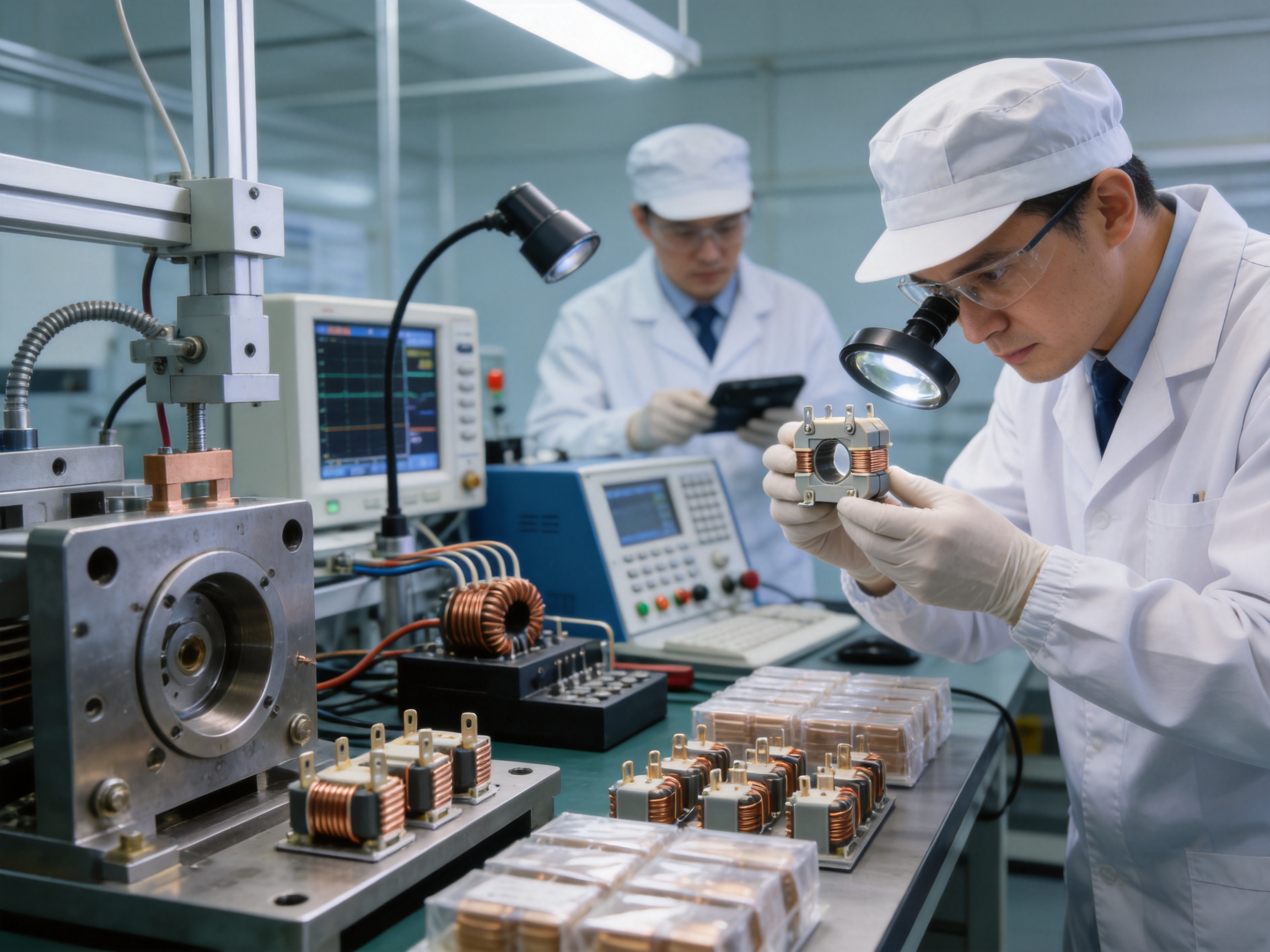
Modern electrical and electronic equipment increasingly depends on precise current information. Smart meters, compact protection relays, industrial controllers, power supplies, energy storage systems, new energy equipment, and automotive electrical modules all need to detect current accurately while maintaining electrical safety. As equipment becomes smaller and more intelligent, the current-sensing component must also become compact, stable, reliable, and easy to integrate. The miniature current transformer is designed to meet these requirements by converting high alternating current into a proportional secondary signal while providing galvanic isolation between the power circuit and the measurement circuit.
A miniature current transformer is more than a reduced-size version of a conventional transformer. It is a carefully engineered sensing component that combines magnetic materials, primary and secondary winding design, insulation structures, terminals, housing dimensions, and manufacturing tolerances. Every part of its construction influences accuracy, phase performance, thermal behavior, mechanical strength, and service life. For applications where circuit-board space is limited and measurement consistency is important, a properly designed miniature current transformer can offer a valuable balance between performance and installation efficiency.
Zhejiang Taoyang Electronics Co., Ltd. develops and manufactures current transformers and related hardware supporting products for electronic, electrical, relay, meter, new energy, energy storage, automotive, and industrial applications. Its manufacturing capabilities include advanced mold and tooling design, controlled stamping processes, production process management, customized component development, and inspection based on customer requirements. These strengths allow the company to supply miniature current transformers for standard applications as well as products developed from drawings, samples, or detailed electrical specifications.
A current transformer, commonly abbreviated as CT, is an instrument transformer used to reproduce a high primary current as a lower secondary current. The primary circuit carries the current being measured, while the secondary circuit connects to a meter, relay, monitoring circuit, analog front end, or other electronic device. The transformation ratio determines the relationship between primary and secondary current.
For example, a transformer with a rated primary current of 5 A and a secondary output of 2 mA produces a proportional secondary signal under its specified operating conditions. A monitoring circuit can then measure the secondary signal without directly placing sensitive electronic components in the high-current path. This arrangement reduces circuit complexity and supports safe, isolated measurement.
Unlike a conventional voltage transformer, a current transformer is designed to operate in response to current flowing through its primary path. The primary may be formed by a winding, a conductive bar, a lead passing through an aperture, or an integrated conductive structure, depending on the product design. The secondary winding is placed around a magnetic core and is connected to the measurement output terminals.
The magnetic core provides a low-reluctance path for the alternating magnetic flux generated by the primary current. This flux induces a secondary current that is proportional to the primary current. The accuracy of this relationship depends on core permeability, winding geometry, burden resistance, frequency, temperature, excitation conditions, and the quality of the manufacturing process.
Because miniature current transformers are often used in compact electronic assemblies, their performance must be considered together with installation limitations. A component may have excellent nominal accuracy but still be unsuitable if its dimensions, terminal arrangement, insulation clearance, or mounting structure do not match the equipment. For this reason, miniature CT development typically involves both electromagnetic design and mechanical customization.
Electrical equipment is becoming more connected and more data-driven. Devices now measure current not only for basic protection but also for energy analysis, remote diagnostics, load balancing, power quality evaluation, and predictive maintenance. The sensing component must provide a dependable signal over long operating periods and across changing load conditions.
Smart meters require current measurement to calculate consumption and support billing or energy management. Smart grid equipment uses current data to observe network conditions and identify abnormal operating states. Protection relays need a dependable signal so that a control system can respond to overloads, short circuits, or other fault conditions. Industrial controllers use current feedback to supervise motors, heaters, converters, and production machinery.
In energy storage equipment, current measurement supports charging and discharging control, battery management, converter monitoring, and system protection. New energy equipment such as photovoltaic inverters and power conversion systems also requires current feedback for efficient operation. Automotive electrical systems use compact sensing devices in power distribution, charging, control, and auxiliary circuits where space and reliability are both critical.
These applications create several design challenges. The transformer must fit into a limited enclosure, operate with an appropriate current range, maintain a stable output, withstand electrical stress, and remain compatible with automated assembly. At the same time, the component should be economical to manufacture in the required quantity. A supplier with experience in electrical hardware, stamping, tooling, and customized production can address these needs more effectively than a supplier offering only a standard catalog part.
The primary advantage of a miniature current transformer is its ability to convert high AC current into a proportional secondary signal. The output signal is suitable for measurement circuits that cannot be connected directly to the high-current conductor. When the current ratio and burden conditions are correctly selected, the CT can provide consistent measurement for meters, monitoring systems, and protection equipment.
Accuracy is influenced by the magnetic core and by the relationship between the primary and secondary windings. A high-permeability core can support a stronger magnetic response at relatively low excitation levels. Consistent winding placement helps reduce variation between units. Controlled assembly ensures that the electrical characteristics remain within the required tolerance from batch to batch.
For customers, accurate measurement means more than achieving a number on a laboratory test report. It means that the product continues to provide a useful signal when integrated into a complete system. The transformer must work with the customer’s burden resistor, signal-conditioning circuit, operating frequency, current range, and enclosure design. Customized electrical parameters can therefore be important when a standard product does not provide the desired performance.
A miniature CT separates the primary power circuit from the secondary measurement circuit. This isolation helps protect low-voltage electronics from the higher current circuit and supports safer system architecture. It also allows the measurement circuit to be designed with lower-current components and more flexible signal-processing arrangements.
Isolation is especially valuable in meters, relays, industrial controllers, and power supply monitoring devices. It can reduce the direct exposure of sensitive processors and analog circuits to the electrical environment of the main power path. The insulation system must nevertheless be designed according to the customer’s voltage, clearance, creepage, dielectric strength, and environmental requirements.
Electrical isolation does not eliminate the need for careful system design. The complete assembly must still observe appropriate insulation distances, terminal protection, grounding practices, and test procedures. A capable manufacturer can support this process by offering customized dimensions, insulation structures, terminal forms, and inspection documentation.
Miniaturization is a major advantage in equipment where board area or enclosure volume is limited. A compact current transformer can be integrated into a control module, relay base, meter, power supply, or monitoring board without requiring the space of a larger conventional instrument transformer.
The physical design may include a small rectangular or circular body, a low-profile structure, through-hole mounting, surface-compatible terminals, pin-type connections, or a customer-specific installation arrangement. The most appropriate design depends on the available space, conductor arrangement, assembly equipment, and maintenance requirements.
Compact construction can also simplify the internal layout of an electrical product. When the transformer is designed around the customer’s circuit and mounting constraints, it may reduce the need for extra wiring, brackets, or mechanical adapters. This can contribute to a cleaner assembly and more efficient use of manufacturing space.
Magnetic stability is essential for reliable current sensing. The core material, core shape, winding arrangement, and production process all influence the magnetic behavior of the transformer. A suitable core should provide consistent permeability and an appropriate response over the intended operating range.
Stable magnetic performance helps maintain predictable output under different current levels and operating conditions. It can also reduce measurement variation between individual products. Carefully selected magnetic materials and controlled core assembly support repeatable performance, particularly when the product is manufactured in large quantities.
In applications involving frequent load changes, the CT may experience a wide range of current conditions. The design must therefore consider rated current, maximum current, frequency, burden, thermal conditions, and the required accuracy class. A transformer that is properly matched to the application can provide a more stable signal and reduce unnecessary stress on the measurement circuit.
Measurement deviation may appear as ratio error, phase angle error, linearity variation, or output instability. These errors can affect energy calculations, protection thresholds, control decisions, and system diagnostics. Strict production control helps reduce such variation.
High-quality winding operations, accurate core preparation, controlled soldering or terminal connection, and complete electrical testing all contribute to lower deviation. Inspection should not be limited to the final appearance of the product. It should also evaluate relevant electrical characteristics according to the customer’s specifications.
For applications requiring more demanding performance, customers may request specific AC accuracy classes, DC error classes, test conditions, or inspection documents. The supplier should be able to define a suitable production and testing plan before mass production begins.
Selecting a miniature current transformer requires a clear understanding of the operating conditions. The most important parameters generally include rated primary current, maximum primary current, secondary current, frequency, accuracy class, phase error, burden, insulation requirements, dimensions, and mounting arrangement.
| Parameter | Meaning | Why It Matters |
|---|---|---|
| Rated primary current | The primary current for which the transformer is designed to operate under specified conditions. | Defines the normal measurement range and helps determine the appropriate transformer ratio. |
| Maximum current | The highest current specified for the application or product design. | Helps evaluate overload capability, thermal behavior, and signal performance. |
| Secondary current | The proportional current output supplied to the measurement circuit. | Must be compatible with the burden resistor, meter, relay, or electronic input. |
| AC accuracy class | The specified limit for ratio and related measurement error under defined conditions. | Determines whether the CT is suitable for metering, monitoring, or protection. |
| DC error class | A specified performance classification for applications exposed to DC components or related test conditions. | Helps evaluate performance in advanced metering and power-electronic environments. |
| Burden | The electrical load connected to the secondary circuit. | Influences output accuracy, excitation requirements, and operating stability. |
| Insulation requirements | Required dielectric strength, clearance, creepage, and insulation construction. | Supports electrical safety and compatibility with the complete equipment. |
| Mechanical dimensions | Overall size, terminal position, mounting structure, and conductor opening. | Determines whether the product can be integrated into the customer’s assembly. |
The product parameters supplied for one miniature current transformer design include the D-06 type, a 5 A rated primary current, a 60 A maximum current, a 2 mA secondary current, an AC accuracy class of 0.1, and a DC error class of 1. A related D-06 configuration uses a 10 A rated primary current, a 60 A maximum current, a 4 mA secondary current, an AC accuracy class of 0.1, and a DC error class of 1. These examples demonstrate how the same basic product family may be configured for different current ratios and system requirements.
These values should be regarded as configuration examples rather than universal specifications for every application. Final parameters should be confirmed according to the customer’s circuit, operating temperature, burden, frequency, installation structure, and testing requirements. This is particularly important when the transformer is used in a protection system or a precision metering product.
Smart meters require dependable current measurement for energy calculation, load analysis, communication, and remote management. A miniature CT can be installed within the meter enclosure to provide an isolated proportional signal to the electronic measurement circuit.
The compact structure helps preserve space for processors, communication modules, displays, terminals, and protective components. The selected accuracy class should correspond to the meter’s measurement requirements. Stable performance over the expected load range is important because energy measurement may involve both low-load and high-load conditions.
Smart grid equipment relies on distributed information to monitor and manage electrical networks. Compact current transformers can be used in distribution monitoring modules, intelligent switching equipment, compact control panels, and other devices that require current feedback.
These systems may operate in different environments and may be expected to provide long service life with limited maintenance. Consistent production quality, reliable insulation, and clear inspection records can help equipment manufacturers maintain the quality of the final grid product.
Protection relays use electrical signals to identify abnormal current conditions and activate a protective response. A miniature CT can supply the relay with a proportional current signal while isolating its electronic circuitry from the primary path.
In protection applications, the selection of current ratio, maximum current, response behavior, and error performance must be made carefully. The transformer should be matched to the relay threshold and the expected fault or overload conditions. Mechanical dimensions are also important when the relay is designed for a narrow cabinet, modular rail, or compact control assembly.
Industrial control equipment monitors motors, actuators, heaters, converters, pumps, and other loads. Current feedback can be used for load verification, fault detection, process control, and maintenance analysis.
A miniature CT is useful where the control cabinet contains many components and where installation space is limited. Its isolation function can help separate the power section from the low-voltage control section. Customized terminals and mounting structures can also support efficient assembly in specialized industrial modules.
Switching power supplies, chargers, converters, and auxiliary power units often need current monitoring for regulation and protection. A compact CT can be placed within the primary or secondary current path, depending on the circuit architecture and insulation requirements.
Because power supplies may operate at high frequency or under rapidly changing load conditions, the transformer must be designed for the relevant frequency range and waveform. Customers should provide complete operating information during the design stage so that the core and winding structure can be selected appropriately.
Energy storage systems use current sensing in battery charging, discharging, balancing, inverter control, and protection. New energy equipment such as photovoltaic power converters and charging systems also depends on current feedback to improve efficiency and maintain safe operation.
The compact form of a miniature CT can support dense internal layouts in energy storage control units and power conversion assemblies. Its electrical isolation can help separate high-current sections from monitoring and communication electronics. Depending on the system, the customer may require customized current ratios, insulation conditions, dimensions, and verification documents.
Automotive electrical systems place demanding requirements on component size, repeatability, mechanical integrity, and production consistency. Current sensing may be used in charging systems, power distribution, auxiliary power modules, and electronic control assemblies.
Products for automotive customers may require specific quality procedures, traceability, dimensional control, and validation. A manufacturer with IATF 16949 certification and experience in stamped hardware and electrical components can be better positioned to support these requirements. Final suitability must always be confirmed through application-specific testing and customer approval.
Different current-sensing technologies are available, including shunts, Hall-effect sensors, Rogowski coils, and conventional current transformers. The best choice depends on the current range, waveform, isolation requirement, frequency, available space, cost target, and accuracy objective.
A shunt resistor measures current through the voltage drop created by a known resistance. It can be compact and suitable for direct electronic measurement, but it introduces power loss and does not inherently provide galvanic isolation. At higher currents, heat generation and voltage drop may become important design concerns.
Hall-effect sensors can measure AC and DC current and provide isolation. However, they may require additional electronics, power supplies, calibration, and thermal management. Their cost and physical structure may not be ideal for every compact meter or relay design.
Rogowski coils are flexible and useful for certain high-current or transient measurements, but they generally require signal integration and may not be the simplest solution for a compact, fixed installation. Their mechanical structure can also differ substantially from the requirements of a small electronic module.
A miniature current transformer is particularly attractive for AC measurement applications where passive operation, electrical isolation, compact integration, and a proportional secondary current are priorities. It does not require a dedicated excitation supply for the transformer itself, and it can provide a practical interface for meters, relays, and monitoring circuits.
| Technology | Typical Strengths | Considerations |
|---|---|---|
| Miniature current transformer | AC measurement, electrical isolation, compact construction, passive transformer operation, customizable ratio. | Normally selected for AC applications; performance depends on core, burden, frequency, and correct secondary loading. |
| Shunt resistor | Simple electrical principle, direct voltage output, compact implementation. | Creates power loss and heat; isolation is not inherent. |
| Hall-effect sensor | Can measure AC and DC; provides isolation; useful for electronic control. | May require auxiliary power, signal conditioning, calibration, and additional space. |
| Rogowski coil | Flexible installation and suitability for some high-current or transient applications. | Usually requires an integrator and may be less convenient for compact fixed assemblies. |
The principal competitive advantage of a miniature CT is not that it replaces every other sensing technology. Its advantage is that it offers a well-balanced solution for isolated AC current measurement in compact and cost-sensitive equipment. When combined with accurate design and disciplined production, it can provide dependable performance without unnecessary circuit complexity.
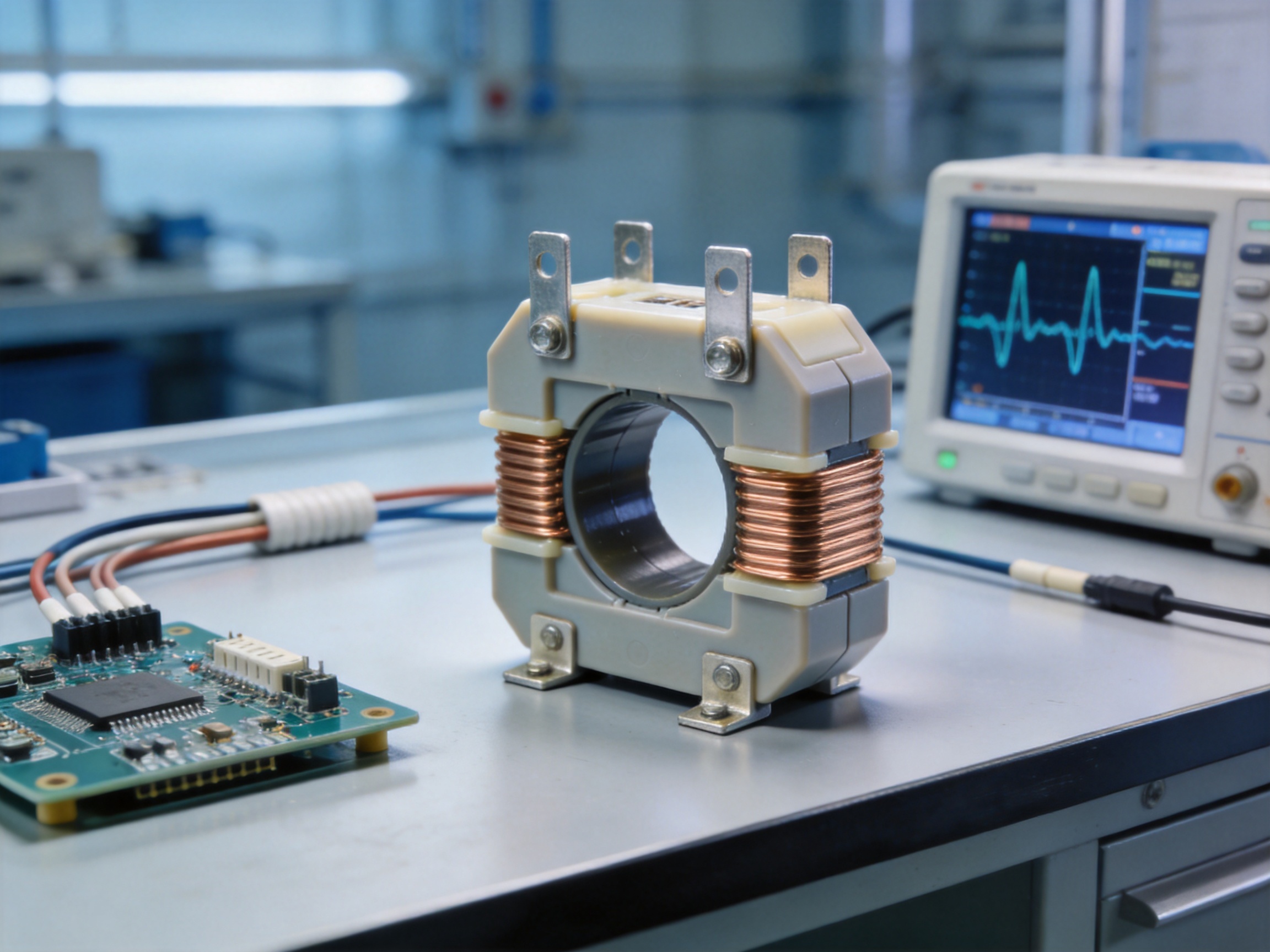
The quality of a miniature current transformer depends on the entire manufacturing chain. Magnetic materials, conductive parts, insulation materials, terminals, winding operations, assembly, soldering, testing, packaging, and documentation must work together. A defect or uncontrolled variation at any stage can affect the electrical performance of the finished product.
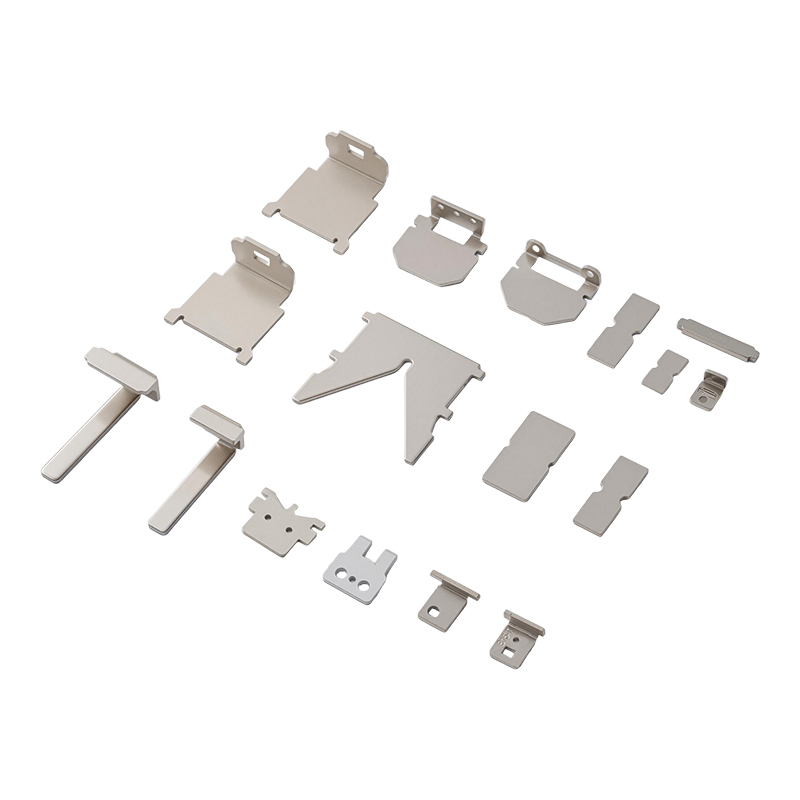
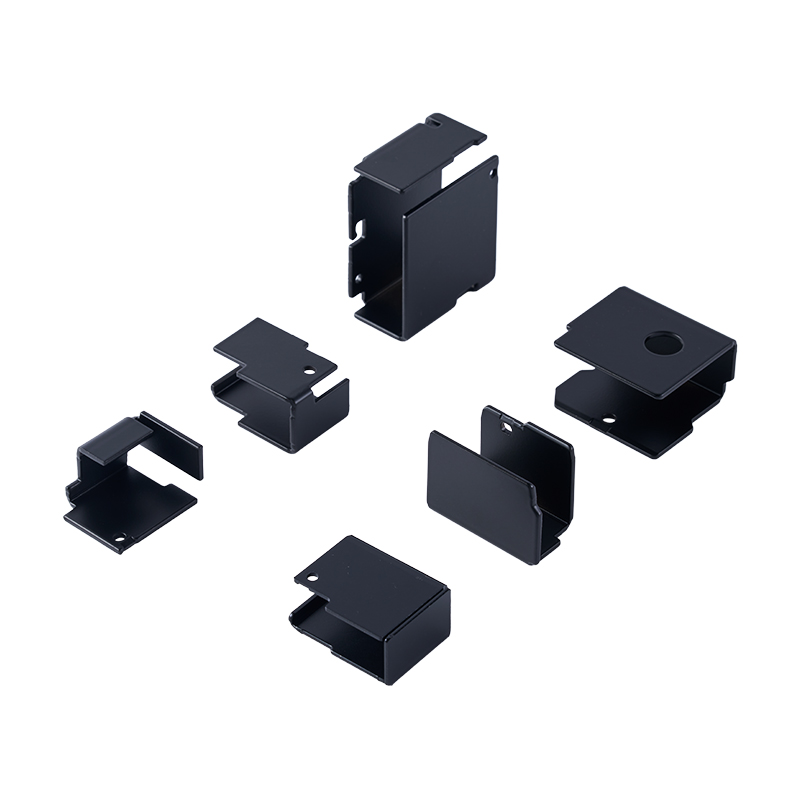
Precise molds and tooling are essential for producing small electrical components with repeatable dimensions. Tooling determines the shape, position, and consistency of stamped metal parts, terminals, housings, and supporting structures. When a customer requires a special installation arrangement, an experienced tooling team can develop a suitable structure based on drawings or samples.
Accurate tooling helps control critical dimensions and reduces variation during mass production. It can also support efficient material utilization, stable forming, and reliable integration with automated or semi-automated assembly. Taoyang is recognized for its mold and tooling design capabilities, which support the production of hardware components used in relays, connectors, meters, current transformers, and other electrical products.
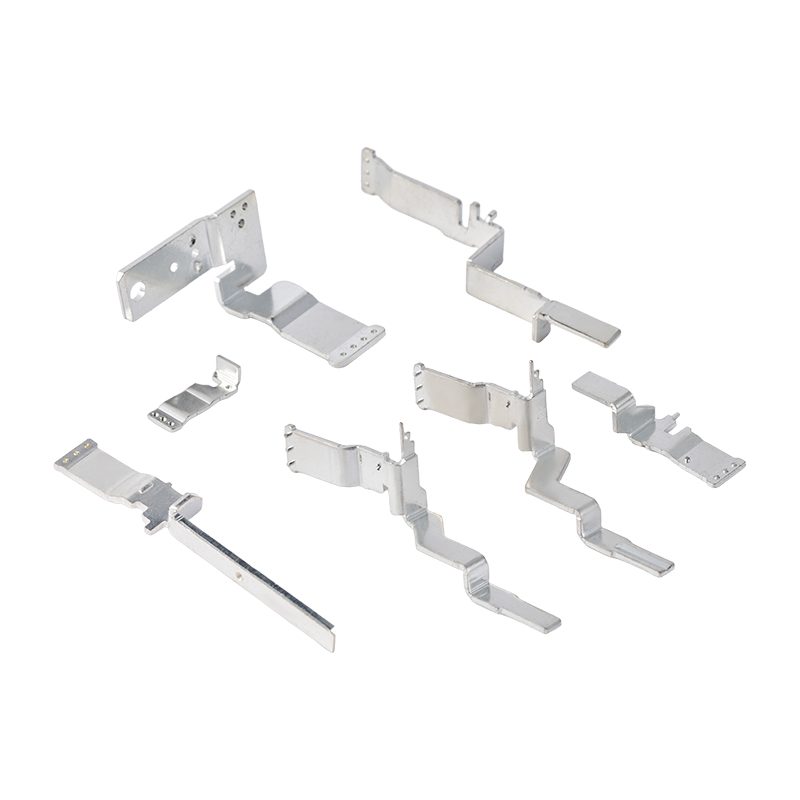
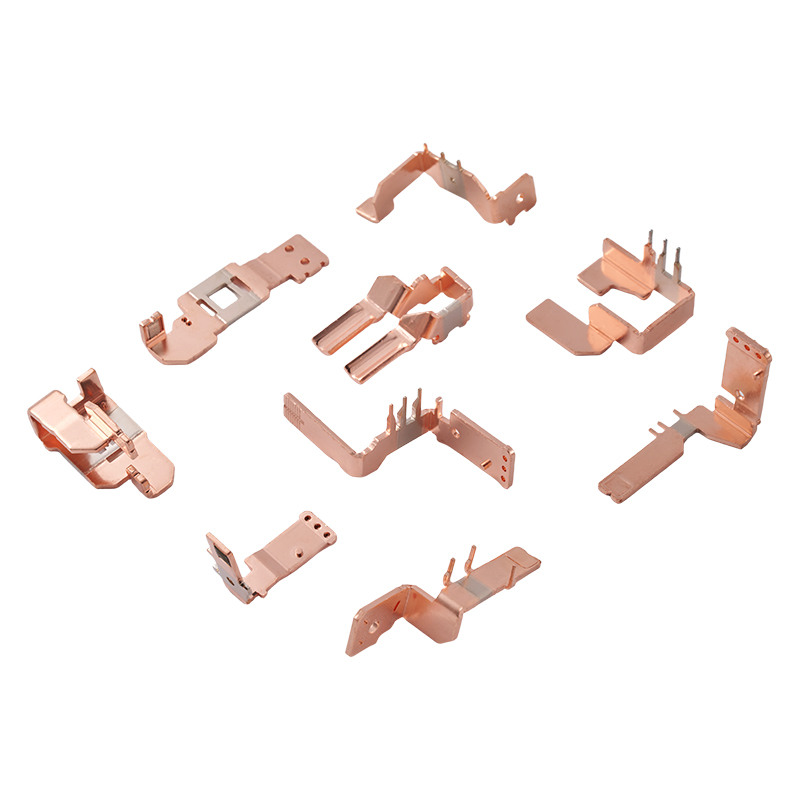
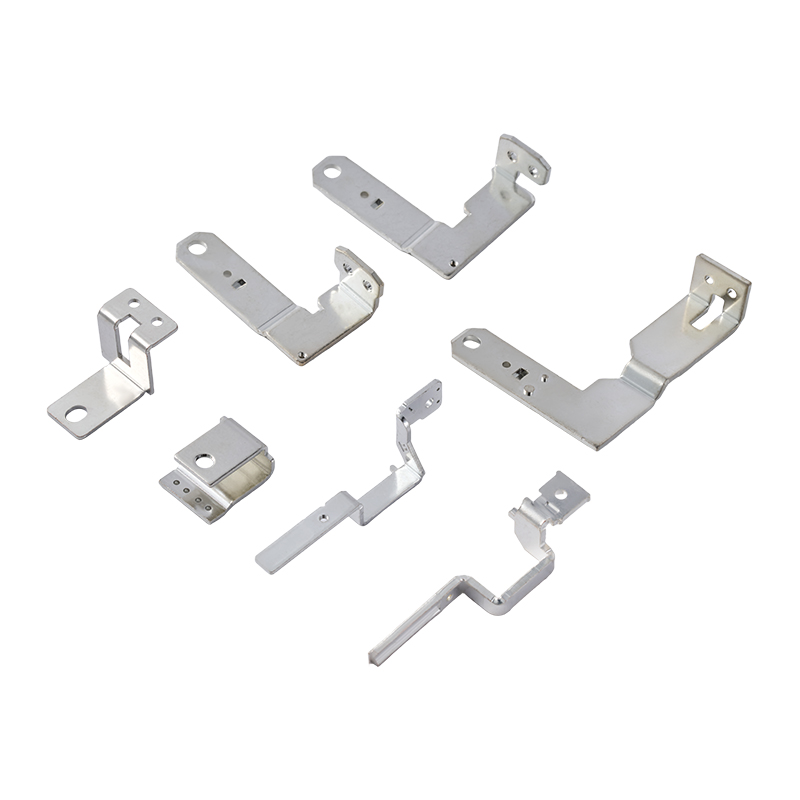
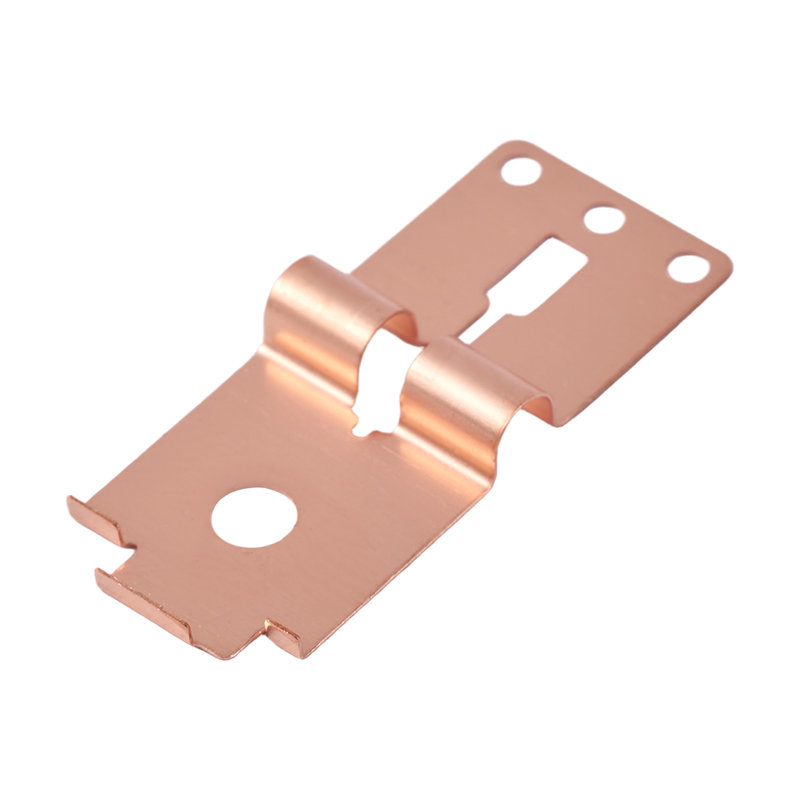
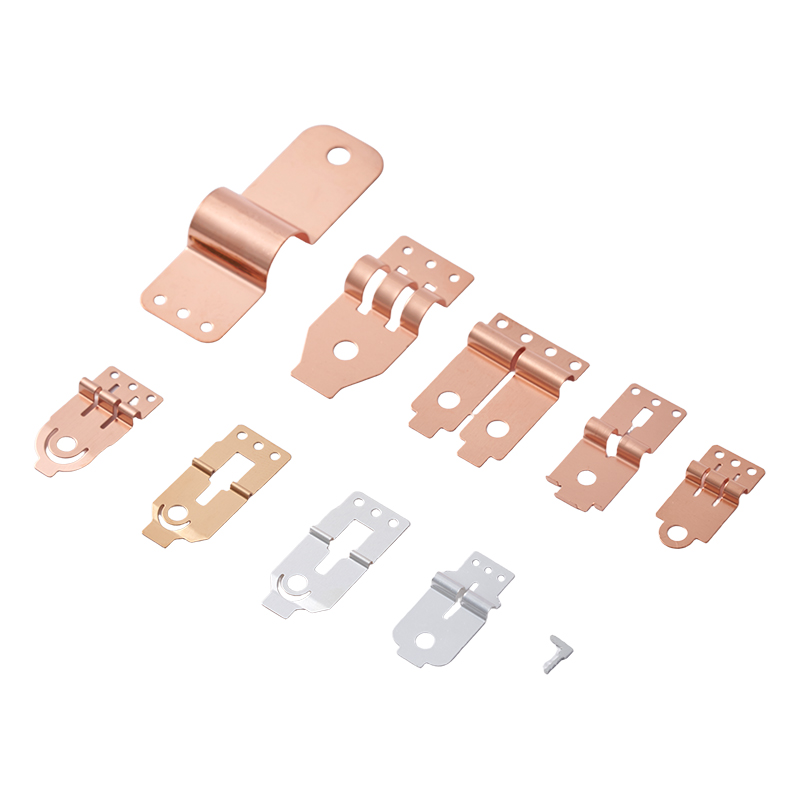
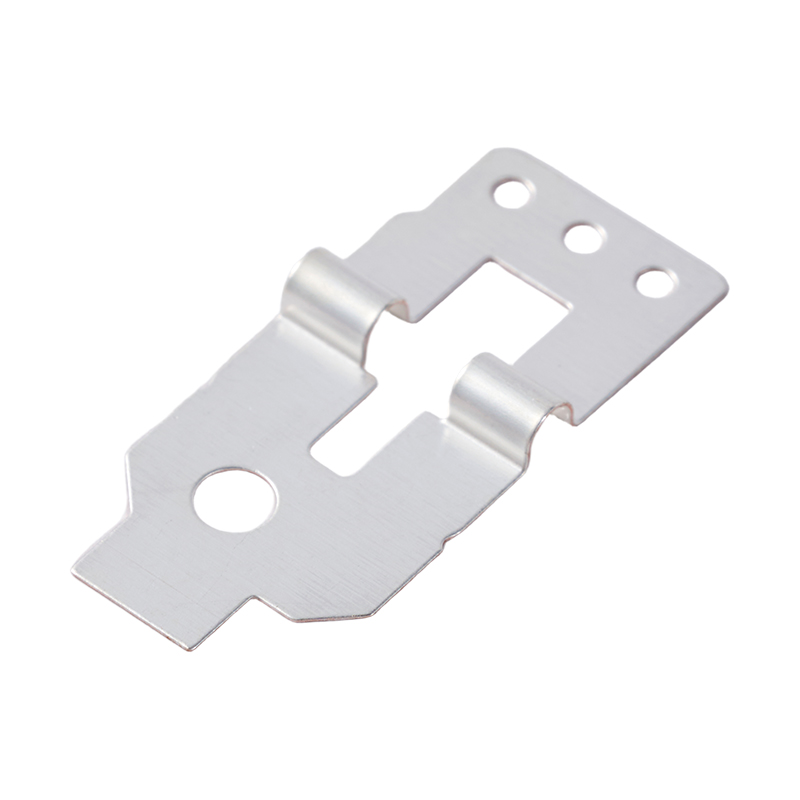
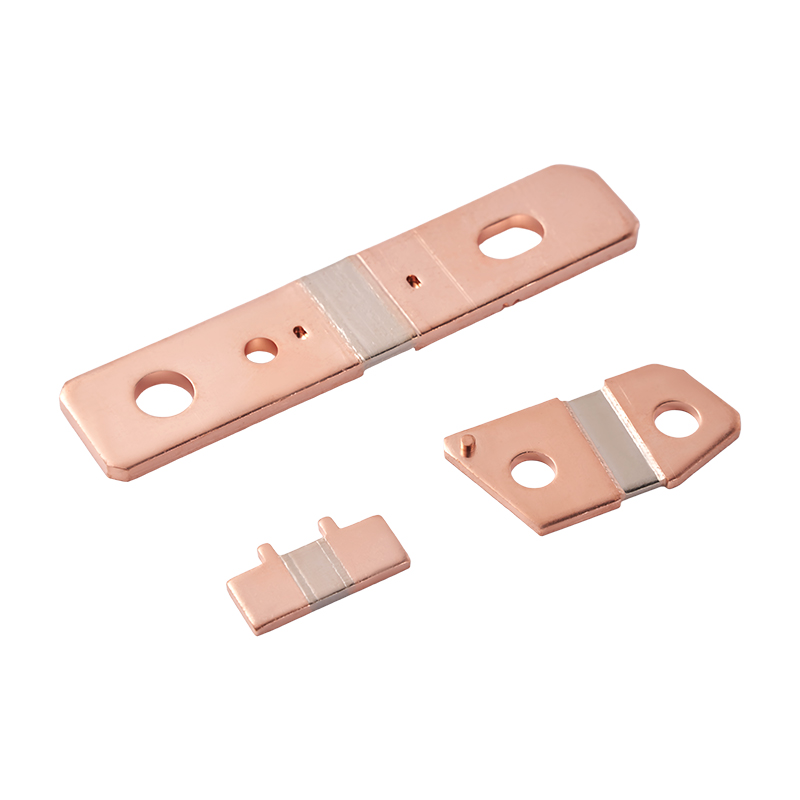
Stamped copper and other conductive hardware components often form an important part of electrical products. Terminals, conductive supports, shunts, clips, and other metal parts must provide suitable conductivity, dimensional accuracy, mechanical strength, and surface quality.
For current transformer assemblies, the quality of the terminal or conductive structure affects electrical connection reliability and installation consistency. Precision stamping helps maintain repeatable geometry and supports efficient high-volume production. It also allows customer-specific shapes to be produced when standard terminals do not meet the application requirements.
The company’s background in customized hardware stamping is relevant to miniature CT development because the transformer is not an isolated magnetic component. It must be integrated with mechanical and conductive parts that match the customer’s equipment. Experience across these related product categories can improve communication between electrical design and hardware manufacturing teams.
Magnetic core preparation and winding assembly require careful process control. The core must be positioned correctly, the winding must follow the specified structure, and the insulation system must remain intact. Small deviations can influence the ratio error, phase angle, excitation behavior, and mechanical fit.
Controlled assembly procedures help ensure that each product follows the approved design. Depending on the product structure, process controls may include material verification, core inspection, winding checks, terminal connection control, soldering inspection, dimensional verification, and electrical testing.
Stable assembly is especially important for customized products. When the customer requests a special ratio, secondary current, terminal arrangement, or size, the production process must translate the approved design into a repeatable manufacturing method. Clear work instructions and inspection criteria help maintain consistency during this transition.
Final inspection alone cannot guarantee product quality. Effective manufacturing systems monitor important characteristics during production so that problems can be identified before the product reaches the final stage.
In-process control may cover incoming material verification, tooling condition, stamped-part dimensions, winding parameters, assembly position, connection quality, insulation condition, and electrical characteristics. The exact control plan should be adapted to the product and customer requirements.
Taoyang places emphasis on production process control and has obtained ISO 9001, ISO 14001, ISO 45001, and IATF 16949 certifications. These certifications reflect management systems associated with quality, environmental responsibility, occupational health and safety, and automotive quality requirements. Certification does not replace product-specific validation, but it provides an important framework for organized production and continuous improvement.
Testing verifies whether the finished transformer meets the approved technical requirements. Depending on the customer’s application, tests may evaluate transformation ratio, accuracy, phase angle, secondary output, insulation performance, resistance, appearance, dimensions, and other characteristics.
For products intended for demanding measurement or protection systems, test conditions should be defined in advance. The test method, equipment, acceptance criteria, sampling plan, and inspection documents should be agreed upon during the technical review. This approach reduces ambiguity and supports consistent evaluation between the supplier and the customer.
Taoyang can provide customized testing standards and inspection documents. This is useful for OEM and ODM customers that need to include supplier test data in their own quality records or product approval files.
Electrical and electronic manufacturers increasingly require evidence that products comply with environmental and material restrictions. Taoyang reports that its products have passed authoritative tests including RoHS and REACH. These requirements help customers manage restricted substances and chemical compliance within their supply chains.
Environmental compliance should be considered together with product performance. Materials, coatings, soldering processes, packaging, and production waste management can all influence the environmental profile of a component. The company’s ISO 14001 certification supports a structured approach to environmental management.
IATF 16949 certification is particularly relevant when current transformers or related stamped components are evaluated for automotive applications. Automotive customers commonly expect rigorous process documentation, risk management, traceability, change control, defect prevention, and continuous improvement.
Even when a product is intended for a non-automotive application, these quality practices can benefit customers by improving production discipline and communication. The actual requirements should still be defined according to the target industry and product risk level.
Standard miniature current transformers can be suitable for many applications, but customized products are often necessary when the equipment has special electrical or mechanical constraints. Customization may involve the current ratio, rated primary current, maximum current, secondary output, accuracy class, DC error performance, dimensions, terminals, mounting holes, insulation structure, or packaging.
Taoyang provides customized solutions based on customer drawings, samples, or technical specifications. The development process normally begins with a review of the operating conditions and installation requirements. The customer should provide as much information as possible, including the expected current waveform, rated and maximum current, frequency, burden, ambient temperature, insulation voltage, available space, terminal requirements, and test standards.
After the technical requirements are reviewed, the supplier can propose a suitable structure and confirm the feasibility of the magnetic and mechanical design. Where necessary, tooling or mold development may be required. Sample products can then be produced for customer testing before mass production.
OEM and ODM support may include the product itself, custom packaging, labeling, inspection documents, and production based on an approved drawing or reference sample. This integrated service can reduce the need for customers to coordinate separate suppliers for the transformer, stamped parts, tooling, and packaging.
Customization should be controlled through documented approval. Any change to the core, winding, terminal, housing, material, or production process may affect performance. A formal sample approval and engineering change process helps ensure that the mass-produced product remains consistent with the validated design.
The first step is to identify the normal and maximum primary current. The rated current should represent the expected continuous operating condition, while the maximum current should reflect the highest current that the transformer may experience under the application’s defined conditions.
The customer should also identify whether the current is sinusoidal, distorted, pulsed, or associated with a power-electronic converter. Frequency and waveform can affect core behavior and measurement accuracy. If a DC component may be present, the customer should state the requirement clearly because DC immunity or DC error performance may influence core selection.
The secondary current must be compatible with the receiving circuit. The design team should define the desired output, burden resistance, input protection, signal-conditioning circuit, and measurement range. A mismatch between the CT output and the burden can lead to unnecessary error or unsuitable operating conditions.
The secondary circuit should never be treated as an unspecified open connection during operation if the product design does not permit it. Customers should follow the approved application instructions and safety procedures for the selected transformer.
Metering applications may prioritize ratio accuracy and phase performance, while protection applications may prioritize predictable behavior during overload or fault conditions. Monitoring applications may have a broader tolerance if the purpose is trend analysis rather than billing or protective action.
The required accuracy class should therefore be linked to the system function. Customers should avoid selecting a product solely by physical size or nominal ratio without considering the measurement and protection objectives.
Mechanical review should include the overall dimensions, core opening, terminal position, mounting method, housing, clearance, creepage, and assembly direction. The transformer should be evaluated together with the PCB, conductor, enclosure, and nearby components.
Early mechanical review can prevent problems during pilot assembly. It is usually more efficient to adjust the structure during the development stage than to modify a finished production line or enclosure later.
Stock samples can be used for initial evaluation when the application is compatible with an existing product. OEM or ODM samples can be developed when a custom structure is required. During validation, customers should evaluate electrical performance, mechanical fit, insulation, temperature behavior, assembly compatibility, and system-level operation.
Sample approval should include the agreed drawings, specifications, test conditions, and acceptance criteria. These documents form the reference for subsequent production and inspection.
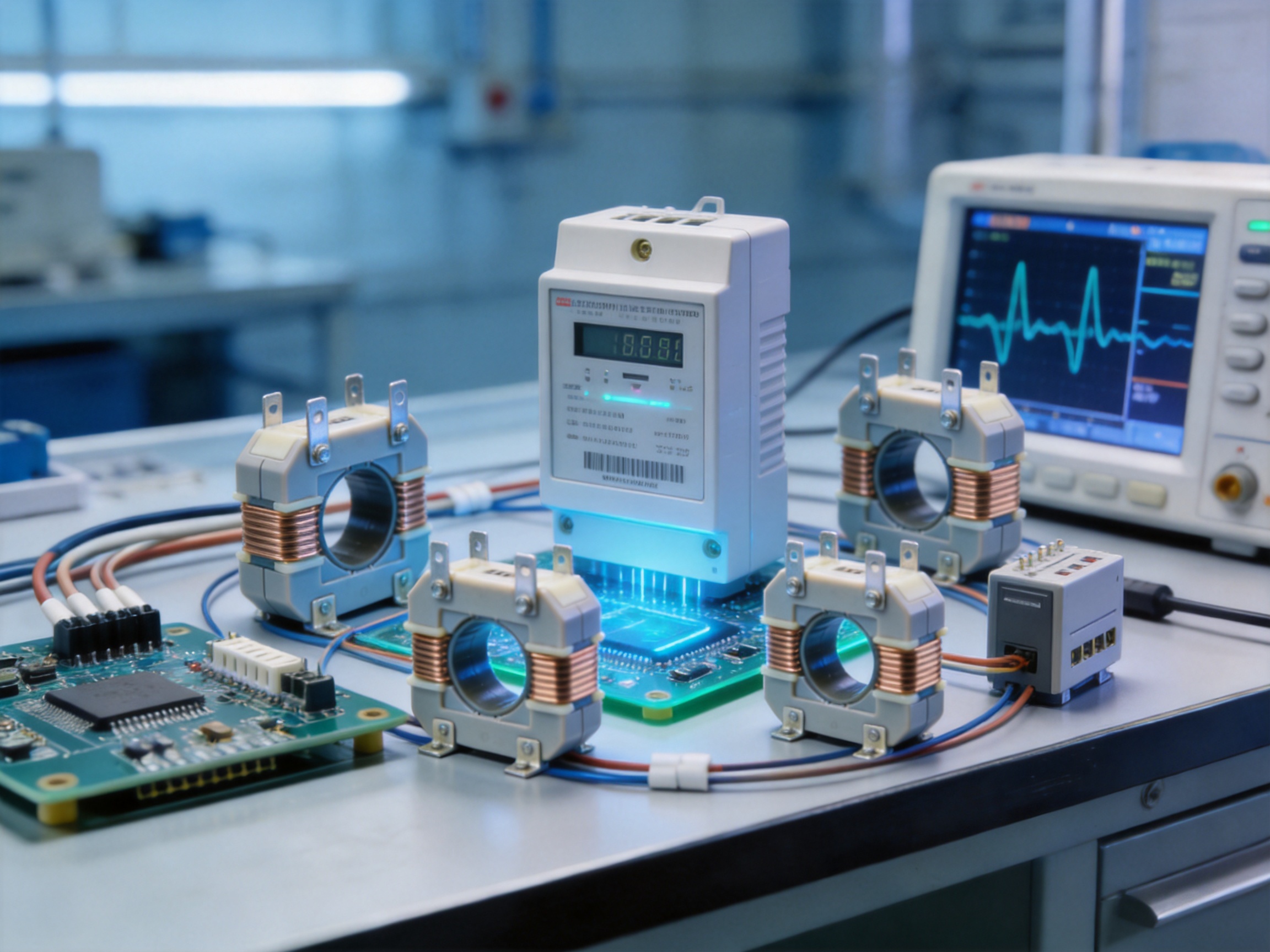
For regular orders, the indicated lead time is generally six to eight weeks. Custom products may require approximately five to nine weeks after receipt of payment, depending on design complexity, tooling requirements, sample approval, material availability, and production scheduling. Customers should confirm the current schedule during quotation because project conditions can vary.
The stated minimum order quantity is 500 pieces. Stock samples are available, while OEM and ODM samples can be produced based on drawings or reference samples. For regular orders, the listed payment terms include 100 percent T/T, with sample orders requiring full payment. For bulk orders, the listed terms are 50 percent T/T advance payment and the balance before delivery.
Trade terms include EXW or CIF. The most appropriate term depends on the customer’s logistics arrangement, destination, import requirements, and preferred control over freight. Commercial details should be confirmed in the formal quotation and purchase contract.
| Commercial Item | Indicated Arrangement |
|---|---|
| Minimum order quantity | 500 pieces |
| Regular lead time | Approximately 6–8 weeks |
| Custom product lead time | Approximately 5–9 weeks after receipt of payment |
| Stock samples | Available for evaluation |
| OEM/ODM samples | Can be produced from drawings or samples |
| Regular order payment | 100% T/T |
| Bulk order payment | 50% T/T advance payment; balance before delivery |
| Trade terms | EXW or CIF |
| Customization | Electrical parameters, dimensions, structures, testing, and packaging |
A reliable supply relationship should consider more than unit price. Customers should evaluate quality systems, engineering response, tooling capability, sample support, production capacity, inspection records, packaging, delivery consistency, and after-sales communication. For a component installed inside a meter, relay, energy storage unit, or automotive module, the cost of a field failure can be much higher than the initial purchase price.
Long-term value comes from consistent performance over the service life of the equipment. A miniature current transformer that maintains its specified characteristics can help reduce recalibration, troubleshooting, replacement, and warranty risks. It can also support stable operation of the customer’s larger system.
Reliability begins with a design that is appropriate for the application. The transformer should not be forced to operate outside its current, frequency, burden, insulation, or environmental limits. It continues through material control, tooling maintenance, assembly discipline, testing, packaging, and technical support.
Taoyang’s product portfolio includes hardware supporting products and solutions for relays, current transformers, electricity meters, new energy, energy storage, automotive applications, and electronic and electrical products. This industry coverage gives the company practical experience with the different mechanical and electrical requirements found in compact equipment.
The company was founded in 2010 and has developed a customer base in China and overseas. It reports that it serves more than 100 leading customers and has been recognized as a Technology-based Small and Medium-sized Enterprise and a National High-tech Enterprise. These recognitions support its position as a technology-oriented manufacturing partner, although product suitability should always be confirmed through application-specific technical evaluation.
A miniature current transformer reduces a high AC current to a lower proportional secondary current that can be measured by a meter, relay, monitoring circuit, or electronic control system. It also provides electrical isolation between the primary current path and the secondary measurement circuit.
They are commonly used in smart meters, energy monitoring systems, smart grid equipment, compact protection relays, industrial control systems, power supply monitoring devices, energy storage equipment, new energy converters, and selected automotive electrical assemblies.
Yes. The current ratio, rated primary current, maximum current, secondary current, accuracy class, DC error performance, and other electrical parameters can be developed according to the customer’s application requirements.
Yes. Customized dimensions, terminal positions, mounting structures, conductor openings, housing arrangements, and other mechanical features can be considered based on drawings, samples, or technical specifications.
The customer should provide the rated and maximum primary current, secondary output, frequency, waveform, burden, accuracy requirements, possible DC component, insulation requirements, operating temperature, dimensions, terminal arrangement, annual quantity, testing standards, and packaging requirements.





 English
 русский
 Français
 日本語
 Español
 Deutsch
 عربى
 Indonesia
 +86-18257772883